


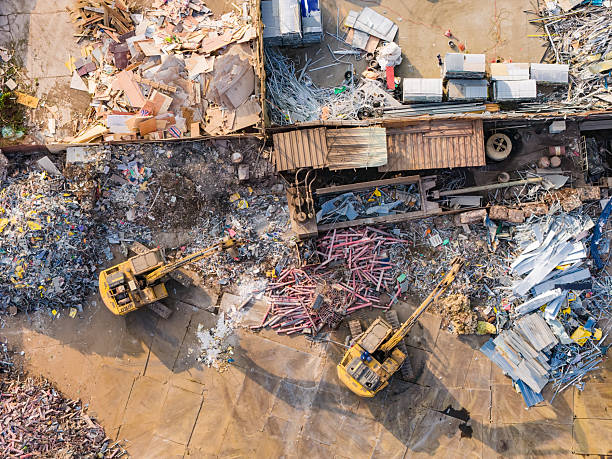
Warehouse waste management in Lagos is not simply about removing rubbish from a building. For warehouses handling food, retail stock, imported goods, packaging materials, spare parts or e-commerce orders, waste can quickly interfere with storage space, staff movement and daily operations.
A busy facility in Ikeja, Apapa, Amuwo-Odofin or along the Lagos-Ibadan corridor may generate cartons, nylon wrapping, wooden pallets, damaged products and other unwanted materials every day. Without a clear disposal routine, these materials start occupying valuable warehouse space.
Travo.ng helps businesses coordinate practical logistics support, including the movement and clearance requirements that can arise during warehouse operations.
Where Most Warehouse Waste Actually Comes From
The type of waste generated depends heavily on what the warehouse stores and how frequently stock moves.
Common warehouse waste includes:
- Damaged cardboard cartons
- Stretch film and plastic wrapping
- Broken wooden pallets
- Packaging foam and straps
- Spoilt or rejected inventory
- Damaged containers
- Old office materials
- General operational waste
Warehouses receiving containers from Apapa or Tin Can Island can generate substantial packaging waste after unloading and sorting. E-commerce fulfilment facilities may deal with more cartons, envelopes and plastic packaging because goods are constantly being repacked for individual deliveries.
Understanding what is being discarded makes it easier to determine how often collection should happen and what type of vehicle may be required.
Don’t Allow Waste to Consume Storage Space
Warehouse space in Lagos is expensive enough without allowing unwanted materials to occupy usable sections.
A few unused pallets may not appear serious initially. After several weeks of deliveries, however, broken pallets, cartons and rejected stock can gradually block loading areas or reduce available storage capacity.
Businesses should create a designated holding area for waste instead of allowing discarded materials to accumulate beside active inventory.
Regular removal is particularly important for warehouses with high stock turnover. Scheduling collections based on actual waste volume is usually more practical than waiting until the facility becomes congested.
Lagos Traffic Should Be Considered When Planning Collection
Waste evacuation also involves transport planning.
Sending a collection vehicle into Apapa during heavy port traffic, for example, can turn what should be a straightforward movement into several hours on the road. Similar delays occur around Oshodi, Mile 2, Iyana Ipaja and other busy commercial corridors.
Where possible, warehouse managers should arrange collections outside major receiving and dispatch periods.
This prevents waste removal vehicles from competing for loading bays with trucks delivering inventory or vehicles collecting customer orders.
Travo.ng can support businesses with transport coordination and vehicle arrangements where materials need to be moved from warehouses to suitable collection or processing locations.
Separate Reusable Materials Before Disposal
Not everything leaving a warehouse needs to become general waste.
Cardboard, usable pallets, some plastics and certain packaging materials may be separated for reuse or recycling. Sorting these materials before collection can reduce the amount of mixed waste accumulating inside the facility.
A simple warehouse system can separate:
- Reusable packaging
- Recyclable materials
- Damaged inventory
- General waste
- Materials requiring specialist handling
Hazardous substances, chemicals, batteries and contaminated materials should never be mixed casually with ordinary warehouse rubbish. They require appropriate handling based on the type of material involved.
Match Collection Frequency to Warehouse Activity
There is no single waste collection schedule that works for every facility.
A small spare-parts warehouse in Surulere may need occasional clearance, while a large FMCG or e-commerce warehouse could generate enough packaging waste to require frequent collection.
Demand may also rise during Christmas trading, promotional campaigns, major inventory restocking or periods when businesses are clearing old stock.
Warehouse managers should therefore monitor waste volume rather than relying on an inflexible timetable.
Arrange Practical Warehouse Support With Travo.ng
Effective warehouse waste management in Lagos helps keep loading areas accessible, protects valuable storage space and makes everyday warehouse activity easier to manage.
Businesses should identify the waste they generate, separate reusable materials, plan removal around receiving schedules and avoid allowing unwanted stock or packaging to accumulate.
For companies that also need cargo movement, delivery services, transport coordination, vehicle hire or other business logistics support, Travo.ng provides practical services that can be arranged around real warehouse operations in Lagos.
