


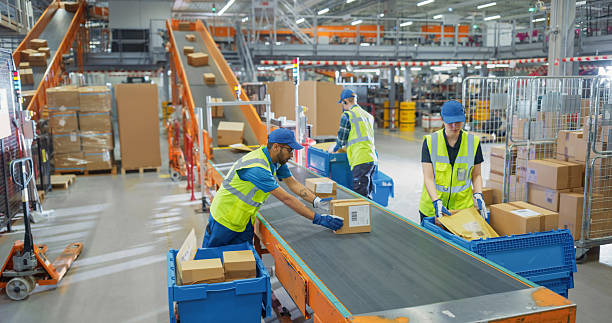
The Epe, Igbesa, and Agbara warehouse corridor in Ogun State is quickly becoming one of the most important industrial extensions of Lagos logistics.
While Lagos proper (Apapa, Ikeja, Lekki) is already saturated and expensive, this Ogun corridor offers:
- Larger warehouse spaces at lower cost
- Easier truck movement (less congestion)
- Proximity to Lagos ports without Lagos pricing pressure
- Space for manufacturing + distribution operations
- Growing industrial estates and free trade activity
For businesses that are scaling beyond Lagos capacity, this axis is where big logistics operations quietly move to expand cheaply but efficiently.
Travo.ng supports companies operating between Lagos and Ogun by coordinating warehouse sourcing, cargo movement from Apapa/Tin Can, fleet dispatch, and regional distribution planning.
Why Epe / Igbesa / Agbara Is Becoming a Logistics Hotspot
This corridor is strategically positioned between:
- Lagos Island import routes
- Lekki Free Trade Zone expansion
- Ogun industrial estates
- Sango–Ota manufacturing belt
- Benin and South-West interstate routes
It is essentially a relief valve for Lagos logistics pressure.
Warehouse Rental Price in Epe / Igbesa / Agbara
Pricing here is significantly more affordable compared to Lagos industrial zones.
Typical market range:
- Agbara Industrial Estate: ₦12,000 – ₦35,000 per sqm annually
- Igbesa / OPIC Estate axis: ₦15,000 – ₦40,000 per sqm annually
- Epe industrial corridor: ₦18,000 – ₦45,000 per sqm annually
Examples from active listings:
- A 2,800sqm warehouse in OPIC Estate, Agbara goes for about ₦60M per annum, designed for large-scale industrial logistics and manufacturing operations
- Smaller warehouses in Agbara can go as low as ₦750,000 per month for mid-size industrial units
- In Epe, ultra-modern warehouse facilities of nearly 9,000sqm can reach around ₦40M per annum depending on structure and lease terms
Epe vs Igbesa vs Agbara: What Each Area Is Best For
Epe (Future Industrial Expansion Zone)
Epe is the newest logistics expansion corridor.
Best for:
- Large-scale warehousing
- Industrial parks
- Future manufacturing hubs
- Free Trade Zone-linked logistics
Why it matters:
- Close to Lekki industrial expansion
- Large land availability
- Designed for long-term logistics scaling
Example: modern warehouse developments in Epe include large purpose-built logistics facilities with office space, security systems, and industrial-grade infrastructure
Igbesa (OPIC Estate – Industrial Powerhouse)
Igbesa sits inside one of Ogun’s most structured industrial estates.
Best for:
- Manufacturing companies
- FMCG storage
- Industrial production warehouses
- Export-oriented businesses
Why businesses choose it:
- Organized industrial estate (OPIC)
- Strong infrastructure support
- Good access to Lagos–Badagry corridor
Agbara (Most Active Warehouse & Manufacturing Hub)
Agbara is the most established logistics-industrial zone in this corridor.
Best for:
- FMCG distribution
- Chemical and industrial storage
- Large-scale manufacturing
- Export/import processing
Why it is important:
- Long-standing industrial ecosystem
- Large warehouse compounds available
- Strong truck movement infrastructure
Example: Agbara warehouses often feature reinforced flooring, fire systems, and large truck maneuvering space for industrial operations
What Types of Warehouses Exist in This Corridor
1. Large Industrial Warehouses (2,000 – 10,000 sqm+)
- Manufacturing and production support
- FMCG distribution centers
- Export logistics hubs
2. Mid-Size Warehouses (500 – 2,000 sqm)
- Regional distribution
- Storage and packaging operations
- Import cargo staging
3. Factory-Integrated Warehouses
- Combined production + storage
- Common in Agbara and Igbesa
- Heavy industrial usage
Who Uses Warehouses in Epe / Igbesa / Agbara?
FMCG Companies
Bulk storage and nationwide redistribution.
Manufacturers
Factories with integrated warehouse systems.
Importers
Cargo moved from Lagos ports into cheaper storage zones.
Export Businesses
Goods staged for regional and international shipping.
Logistics Companies
Large-scale distribution and fleet operations.
Real Advantages of This Corridor
- Much cheaper than Lagos industrial zones
- Less traffic congestion for trucks
- Large land availability for expansion
- Ideal for manufacturing + warehousing mix
- Strong industrial ecosystem in Agbara and OPIC
Challenges Businesses Face Here
- Longer distance to Lagos mainland customers
- Infrastructure varies by estate
- Some areas still developing road networks
- Requires strong fleet coordination for last-mile delivery
Why Businesses Still Move Here Despite Distance
Because logistics is not just about location—it’s about:
- Cost efficiency
- Scale
- Operational space
- Reduced congestion risk
For many growing companies, Lagos becomes too expensive and restrictive, so Ogun becomes the natural expansion step.
How Travo.ng Supports Warehousing in Epe / Igbesa / Agbara
Travo.ng helps businesses by:
- Connecting them to verified warehouse spaces in Ogun industrial zones
- Coordinating cargo movement from Lagos ports into Ogun warehouses
- Managing fleet dispatch across Lagos–Ogun corridors
- Supporting FMCG, manufacturing, and import logistics operations
- Optimizing distribution planning for cost efficiency
The goal is simple: help businesses scale beyond Lagos congestion into smarter logistics expansion zones.
