


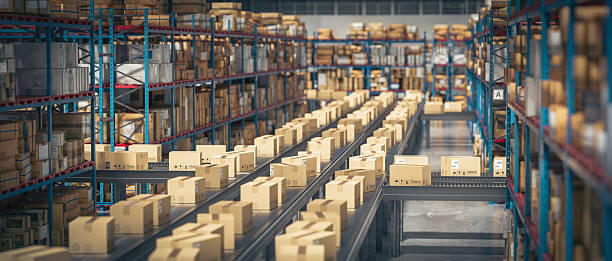
A warehouse for imported goods in Nigeria is a storage facility used to receive, store, manage, and distribute products brought into the country through ports such as Apapa Port, Tin Can Island Port, Lekki Deep Sea Port, Onne Port, and other entry points. These warehouses help importers safely store cargo before distribution, sale, or manufacturing use.
In simple terms, it is a secure location where imported goods are kept after leaving the port and before reaching their final destination.
Why Importers Need Warehouses in Nigeria
Importers often require warehousing because:
- Goods may not be sold immediately
- Distribution takes place in stages
- Retailers require gradual stock replenishment
- Port storage costs are significantly higher than warehouse storage
- Businesses need inventory buffers to avoid stockouts
Types of Warehouses for Imported Goods in Nigeria
1. Bonded Warehouses
Bonded warehouses allow imported goods to be stored under customs supervision before duties and taxes are fully paid.
Benefits include:
- Deferred duty payments
- Reduced port congestion
- Improved cash flow management
- Flexible cargo release
2. General Commercial Warehouses
These facilities are used for:
- Consumer goods
- Electronics
- Household products
- Industrial materials
- Retail inventory
They are the most common warehousing option for importers.
3. Temporary Warehouses
Suitable when:
- Goods arrive before distribution is ready
- Main warehouses are full
- Transport delays occur
These facilities provide short-term storage solutions.
4. Overflow Warehouses
Overflow warehouses provide extra capacity during:
- Peak import seasons
- Promotional campaigns
- Large inventory purchases
- Supply chain disruptions
5. Cold Storage Warehouses
Designed for:
- Frozen foods
- Fresh produce
- Pharmaceuticals
- Medical supplies
Temperature control is maintained throughout storage.
6. Distribution Warehouses
Used to:
- Sort products
- Process orders
- Prepare deliveries
- Supply multiple regions
These facilities support nationwide distribution networks.
Common Challenges Faced by Importers
1. Limited Storage Capacity
High-demand warehouse locations often experience space shortages.
2. Rising Storage Costs
Warehouses near major ports and commercial hubs may command premium rates.
3. Inventory Management Problems
Without proper systems, businesses may face:
- Missing inventory
- Overstocking
- Stock discrepancies
4. Transportation Delays
Cargo movement between ports and warehouses can be affected by:
- Traffic congestion
- Truck shortages
- Road infrastructure issues
5. Security Risks
Improperly managed facilities may face:
- Theft
- Damage
- Unauthorized access
Benefits of Using Professional Warehousing Services
1. Lower Logistics Costs
Warehousing helps reduce:
- Port storage charges
- Demurrage costs
- Emergency transport expenses
2. Better Inventory Control
Businesses can:
- Track stock accurately
- Monitor inventory levels
- Improve forecasting
3. Improved Supply Chain Efficiency
Warehouses create a buffer between imports and customer demand.
4. Enhanced Cargo Protection
Professional facilities offer:
- Security monitoring
- Controlled access
- Proper cargo handling
5. Faster Market Distribution
Stored goods can be dispatched quickly when orders are received.
How to Choose a Warehouse for Imported Goods
1. Evaluate Location
Consider proximity to:
- Ports
- Major highways
- Customer markets
2. Assess Storage Requirements
Determine whether cargo requires:
- Temperature control
- Customs supervision
- Specialized handling
3. Review Security Measures
Look for:
- CCTV surveillance
- Security personnel
- Fire protection systems
4. Verify Capacity and Scalability
Ensure the facility can accommodate future growth.
5. Check Logistics Integration
The warehouse should work efficiently with transportation providers.
Risks of Poor Warehousing Decisions
- Inventory losses
- Product damage
- Delivery delays
- Increased logistics costs
- Customer dissatisfaction
Role of Insurance
Cargo insurance may cover:
- Fire damage
- Theft
- Physical loss or damage
However, losses resulting from poor inventory planning or operational mistakes are generally not covered.
How Travo.ng Supports Import Logistics in Nigeria
Warehousing is most effective when supported by reliable transportation and distribution.
This is where Travo.ng supports businesses across Nigeria.
Travo.ng provides:
- Cargo pickup from Apapa, Tin Can, and Lekki ports
- Transportation to warehouses nationwide
- Interstate logistics coordination
- Commercial cargo delivery
- Distribution support for businesses
- Last-mile delivery solutions
Efficient transportation helps importers move goods from ports to warehouses quickly and cost-effectively.
Final Insight
Warehouses for imported goods in Nigeria play a vital role in inventory management, supply chain efficiency, and cost control. Whether using bonded warehouses, temporary storage facilities, or distribution centers, importers benefit from secure storage, improved logistics planning, and faster market access.
