


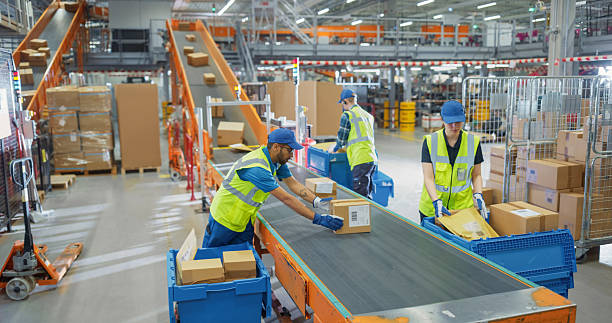
A warehouse and consolidation service in China gives international buyers a central location where goods from different suppliers can be received, stored, checked and prepared for export. This is especially useful when purchasing from Alibaba, 1688, Taobao, Yiwu markets, Guangzhou, Shenzhen or other Chinese suppliers.
Instead of arranging separate international shipments from every supplier, your purchases can be brought together before being shipped to Africa, Europe, the Middle East or other destinations.
How China Warehouse and Consolidation Works
The process normally follows several simple stages:
- Get a China warehouse address: Your suppliers are given the warehouse details so they can send your purchases to one central location.
- Receive your packages: The warehouse records incoming parcels and can check package quantity, weight, dimensions and visible condition.
- Store arriving orders: If your suppliers have different production or delivery schedules, eligible goods can be held temporarily until the remaining orders arrive.
- Consolidate your cargo: Packages from different suppliers can be combined into a single shipment or organised into fewer shipments where appropriate.
- Repack and prepare: Unnecessary outer packaging can sometimes be removed, while fragile products can be reinforced for international transportation.
- Arrange international freight: Once the cargo is ready, you can select an appropriate shipping method, such as air or sea freight, based on the shipment’s size, value and urgency.
Why Use a China Consolidation Warehouse?
A consolidation warehouse is particularly useful for importers who buy from multiple suppliers. For example, a Nigerian trader might purchase electronics from Shenzhen, fashion products from Guangzhou and accessories from Yiwu. Sending everything to one warehouse allows the cargo to be organised before international shipping.
Consolidation can reduce the need for several separate international shipments and may lower overall freight costs, although savings depend on the cargo’s weight, volume, packaging and shipping method.
It also gives the importer better control over the shipment because packages can be checked before they leave China.
Air Freight or Sea Freight?
Air freight is suitable for smaller or urgent shipments where speed is important. It can work well for samples, electronics, fashion products and spare parts.
Sea freight is generally more economical for large or heavy cargo such as furniture, machinery, building materials and wholesale stock. LCL can be used for smaller commercial shipments, while FCL is suitable when the cargo requires a full container.
The warehouse can help prepare your cargo according to the selected freight method.
Who Needs This Service?
China warehouse and consolidation services are useful for:
- Alibaba and 1688 buyers
- Wholesale importers
- African traders
- E-commerce businesses
- Small and medium-sized businesses
- Manufacturers sourcing components from multiple suppliers
- Businesses importing goods from Yiwu, Guangzhou or Shenzhen
Before shipping, confirm whether the warehouse provides storage, inspection, repacking, consolidation and export coordination, as services vary between providers.
How Travo.ng Can Help
Travo.ng can help coordinate China-to-Africa logistics, including supplier collection, warehouse consolidation, freight planning and delivery coordination.
If you are purchasing from several Chinese suppliers, having the goods organised at a central warehouse before international shipping can make the process easier to manage. Travo.ng can help you plan the movement of your cargo based on the product type, shipment size, destination and preferred freight method.
