


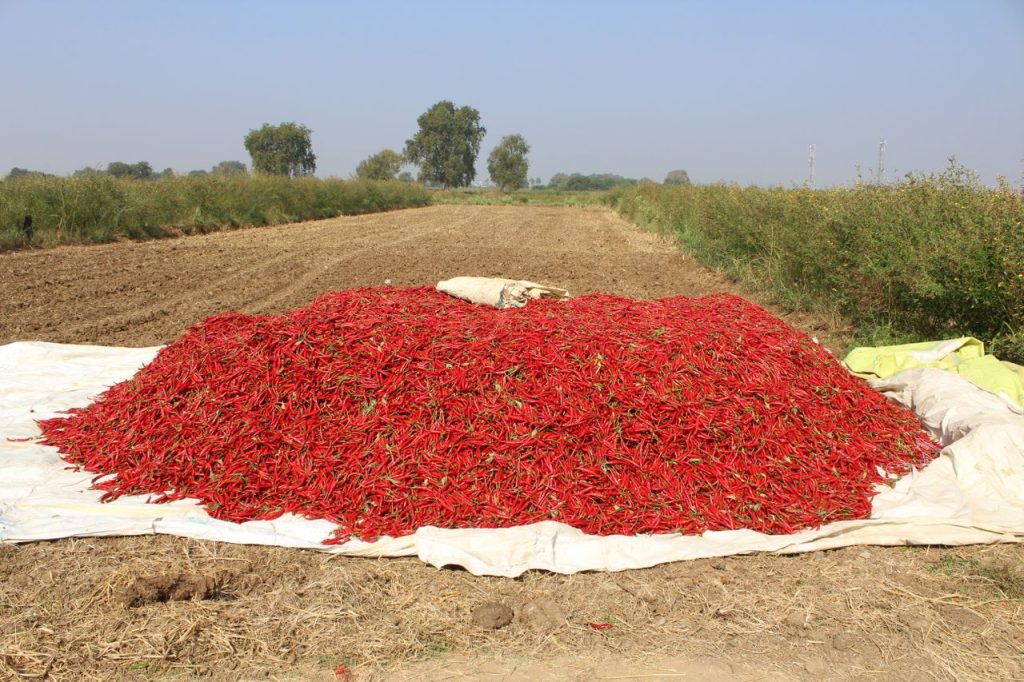
For farmers, food traders and agricultural businesses, knowing how to reduce post harvest loss in Nigeria can make the difference between a profitable harvest and a serious financial setback. Produce may leave the farm in good condition but deteriorate before reaching markets, processors or consumers because of heat, poor packaging, delayed transport or inadequate storage.
This problem is especially noticeable with tomatoes, peppers, leafy vegetables, fruits, fish and other perishables. A truck delayed for several hours between producing areas and major markets in Lagos, Abuja or Port Harcourt can arrive with part of its load already damaged.
Reducing losses therefore requires more than harvesting carefully. Storage, packaging, transport timing and distribution must work together.
Move Fresh Produce Before Heat Becomes a Problem
One of the simplest ways to reduce spoilage is to shorten the time between harvesting and transportation.
Produce left under the sun after harvesting continues to lose moisture and quality. When possible, farmers should sort, package and move goods during cooler periods such as early morning.
Transport should also be arranged before harvesting begins rather than searching for a vehicle after hundreds of baskets have already been packed.
For businesses moving produce from farming communities into Lagos, Abuja, Ibadan or other large markets, Travo.ng can help coordinate suitable transport and cargo movement so goods spend less unnecessary time waiting.
Better Packaging Prevents Avoidable Damage
A surprising amount of food is lost because of how it is packed.
Overloading tomatoes into large baskets, stacking delicate fruit beneath heavier goods or transporting vegetables without ventilation can cause crushing and rapid deterioration.
Practical packaging choices include:
- Using ventilated plastic crates for delicate produce
- Avoiding excessive stacking
- Separating damaged produce before transportation
- Protecting goods from direct sunlight
- Using insulated packaging where temperature control is necessary
Reusable crates may initially cost more than traditional baskets, but businesses that move produce regularly can recover that cost through reduced damage.
Cold Storage Can Extend the Selling Window
Another practical way to reduce post harvest loss in Nigeria is to improve temperature control.
Cold storage is especially useful when produce cannot be sold immediately. Rather than rushing an entire harvest into the market at once, farmers and distributors can hold suitable products under controlled conditions and release them gradually.
Cold-chain logistics may also be necessary for fish, meat, dairy products and certain fruits.
Businesses should remember that refrigeration works best as part of a continuous process. Cooling produce and then leaving it for hours in a hot vehicle can quickly undo the benefit.
Plan Transport Around Nigerian Road Conditions
Transport delays are a major operational risk for agricultural goods.
A shipment entering Lagos during heavy traffic around areas such as Mile 2, Oshodi or major market corridors can spend several additional hours on the road. Interstate movements can also be affected by road conditions, vehicle breakdowns and loading delays.
Before dispatching perishable cargo, consider:
- The expected journey time
- Market opening and receiving hours
- Traffic at the destination
- Vehicle condition
- Whether refrigeration is required
- Backup arrangements if the vehicle develops a fault
Travo.ng provides transport coordination and cargo logistics support that can help businesses plan agricultural movements more efficiently.
Match Harvesting With Actual Market Demand
Moving more produce than buyers can absorb creates another form of post-harvest waste.
Farmers, aggregators and distributors should communicate with wholesalers, retailers, hotels, restaurants and processors before large shipments leave the farm.
For example, instead of sending every harvested item to one Lagos market, a distributor may divide stock between several confirmed buyers or delivery locations.
Reliable distribution planning helps reduce overcrowding, unsold stock and unnecessary movement.
Build a More Reliable Farm-to-Market System
Efforts to reduce post harvest loss in Nigeria work best when farmers, transporters, warehouses, distributors and buyers coordinate their activities.
Good harvesting practices alone cannot protect produce if transportation arrives late. A refrigerated warehouse cannot solve the problem if goods remain exposed to heat before reaching it.
Travo.ng supports businesses with cargo logistics, delivery services, transport coordination and other practical movement solutions. Whether you need to move produce to a wholesaler, coordinate interstate cargo or arrange deliveries to multiple customers, having transport planned in advance can protect product quality and improve the value recovered from every harvest.
For agricultural businesses, reducing waste is not only about producing more food. It is about making sure more of what has already been produced reaches the customer in sellable condition.
