


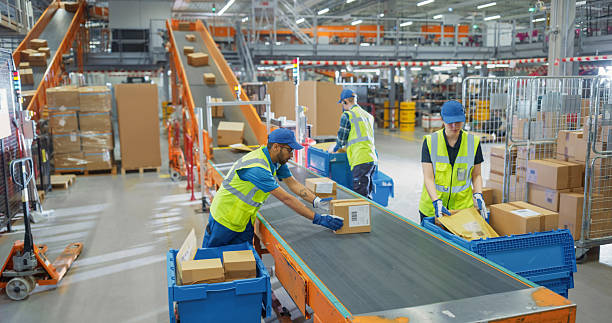
A logistics park in Lagos is more than just a collection of warehouses. It is usually designed around the movement, storage and distribution of goods, with facilities such as warehouses, truck parking, loading areas, security, offices and supporting infrastructure.
For businesses handling imported cargo, FMCG, e-commerce orders, manufacturing inputs or large-scale distribution, a warehouse park can provide a more organised operating environment than renting an isolated warehouse.
What Is a Logistics or Warehouse Park?
A logistics park typically brings several logistics functions together in one planned location.
Depending on the development, it may include:
- Large-scale warehouses
- Distribution centres
- Loading and unloading areas
- Truck parking
- Container handling facilities
- Cold storage
- Pallet storage
- Offices
- Security infrastructure
- Power and utilities
- Internal roads
- Vehicle access and parking
- Waste management and other support services
This setup can be particularly useful for businesses that receive goods in large quantities and distribute them to different parts of Lagos or other Nigerian states.
Where Are Logistics Parks Located in Lagos?
Lekki and Ibeju-Lekki
The Lekki corridor has become increasingly important for industrial and logistics operations because of its connection to the Lekki Deep Sea Port, Lekki Free Zone and surrounding industrial developments.
The Lagos Free Zone integrates industrial, logistics and warehousing activities with the Lekki port corridor. Its master planning includes dedicated logistics and warehouse facilities. (Lagos Free Zone)
A major Grade-A logistics park in the Lekki Free Zone was also commissioned in 2025. The 29,000 sqm facility was reported to have more than 45,000 pallet positions and an automated warehouse management system. (Premium Times Nigeria)
This corridor can be relevant for importers, manufacturers, distributors and companies moving cargo through the port.
Epe
Epe is developing as another important logistics and food-distribution corridor.
The Lagos Food Systems & Logistics Park in Epe is planned around storage, processing, aggregation and distribution. Its stated facilities include large dry-storage and cold-storage facilities, trailer parking and supporting infrastructure. (Lagos Food Systems & Logistics Park)
This type of warehouse park can be particularly relevant to food wholesalers, retailers, processors and businesses handling agricultural products.
Ikeja and Oregun
Ikeja and Oregun remain practical areas for businesses that need mainland distribution access.
A warehouse park or organised industrial facility in this corridor can make sense for:
- E-commerce fulfilment
- FMCG distribution
- Spare parts
- Consumer goods
- General warehousing
- Business-to-business deliveries
The main advantage is access to several mainland commercial districts without having to operate directly inside the port corridor.
Isolo and Oshodi
Isolo and Oshodi are also important for warehouse and distribution operations. Their location makes them useful for businesses serving both mainland customers and the airport corridor.
Businesses should pay particular attention to truck access and internal loading space when considering properties in busy built-up areas.
Apapa and Tin Can Corridor
For importers, a logistics or warehouse park close to the port can reduce the distance between cargo clearance and storage.
However, proximity to the port should not be the only consideration. Truck access, container handling, road conditions, security and the facility’s operating arrangements can have a major effect on the actual cost of moving cargo.
What Businesses Use Logistics Parks?
A logistics park can support several types of businesses, including:
- Import and export companies
- FMCG distributors
- E-commerce businesses
- Food processors
- Pharmaceutical distributors
- Manufacturers
- Retail chains
- Automotive parts businesses
- Third-party logistics companies
- Cold-chain operators
- Large wholesalers
A company that receives hundreds of pallets each month may benefit from a dedicated warehouse inside a logistics park rather than repeatedly moving goods between unrelated storage locations.
Warehouse Size and Storage Capacity
Don’t choose a warehouse based only on its total square metres.
Consider how the space will actually be used.
For example, a 5,000 sqm facility with efficient racking can provide significantly more usable storage capacity than a poorly configured building of similar size.
Check:
- Number of pallet positions
- Clear height
- Racking configuration
- Floor loading capacity
- Loading bays
- Dock levellers
- Internal circulation
- Truck parking
- Office space
- Staff facilities
- Expansion options
If your inventory is seasonal, also ask whether additional space can be rented temporarily during peak periods.
Truck Access Is Critical
A logistics park should make vehicle movement easier rather than create another bottleneck.
Before signing an agreement, inspect the facility with the largest vehicle you expect to use.
Check:
- Entrance width
- Internal road width
- Turning radius
- Trailer parking
- Loading-bay availability
- Container access
- Waiting areas
- Gate procedures
- Operating hours
For businesses handling 20ft or 40ft containers, confirm that the entire vehicle combination can enter, turn and leave safely.
Power and Facility Infrastructure
Power requirements vary according to the type of operation.
A general storage business may need basic lighting and security systems, while cold-chain, pharmaceutical and manufacturing operations may require significantly more reliable power.
Ask about:
- Grid electricity
- Transformer capacity
- Generator capacity
- Backup systems
- Cold rooms
- Fire protection
- Water supply
- Drainage
- CCTV
- Security
- Internet connectivity
Do not rely only on an agent’s description. Inspect and verify the infrastructure before signing.
Logistics Park vs Standalone Warehouse
A standalone warehouse can provide more control over your premises, but a logistics park may offer shared infrastructure and a more organised environment.
A logistics park may be useful when you need:
- Shared logistics infrastructure
- Better truck coordination
- Large-scale storage
- Security
- Distribution support
- Access to other logistics businesses
- Expansion opportunities
A standalone warehouse may make more sense when your business needs complete control over the premises, unusual operating hours or specialised modifications.
The right choice depends on your cargo, vehicle requirements, budget and distribution model.
Costs to Consider
Don’t compare logistics parks using rent alone.
Calculate the complete occupancy and operating cost, including:
- Base rent
- Service charge
- Security fees
- Power
- Generator fuel
- Loading charges
- Handling fees
- Maintenance
- Waste disposal
- Insurance
- Agency fees
- Legal fees
- Security deposit
- Transportation to and from the facility
A facility with a higher headline rent can sometimes have a different overall operating cost if it provides better infrastructure and reduces unnecessary cargo movements.
Tribal and Cultural Considerations
Lagos logistics parks bring together workers, drivers, landlords, customers and businesses from many different backgrounds.
Keep agreements, access rules and operational responsibilities clearly documented. If your operation involves frequent truck movements, loading activities or extended working hours, understand the park’s rules and how neighbouring businesses operate.
Clear communication about working hours, vehicle movement, security procedures and waste management can help avoid unnecessary disputes.
Moving Goods In and Out of a Logistics Park
The warehouse is only one part of the supply chain.
You may still need to coordinate:
- Port-to-warehouse transportation
- Supplier collections
- Inter-state deliveries
- Last-mile distribution
- Customer deliveries
- Relocation of stock
- Returns
- Courier services
Travo.ng can support relevant travel and logistics coordination, including cargo movement, delivery arrangements, transport coordination and other logistics services connected to your warehouse operations.
Questions to Ask Before Renting
Before committing to a logistics park or warehouse park in Lagos, ask:
- What warehouse sizes are available?
- Is the space dedicated or shared?
- How many pallet positions are available?
- Can 40ft trucks access the facility?
- Are loading bays available?
- What are the operating hours?
- Is truck parking included?
- What power infrastructure is provided?
- What security systems are in place?
- Are there additional handling or service charges?
- Can the lease be expanded later?
- What happens to the rent during renewal?
- Are there restrictions on the type of goods stored?
- Who handles maintenance and repairs?
For a growing business, choosing a logistics park is ultimately about more than finding warehouse space. The location, storage capacity, truck access, infrastructure and connection to your wider delivery network all determine how efficiently the facility will support your operations.
