


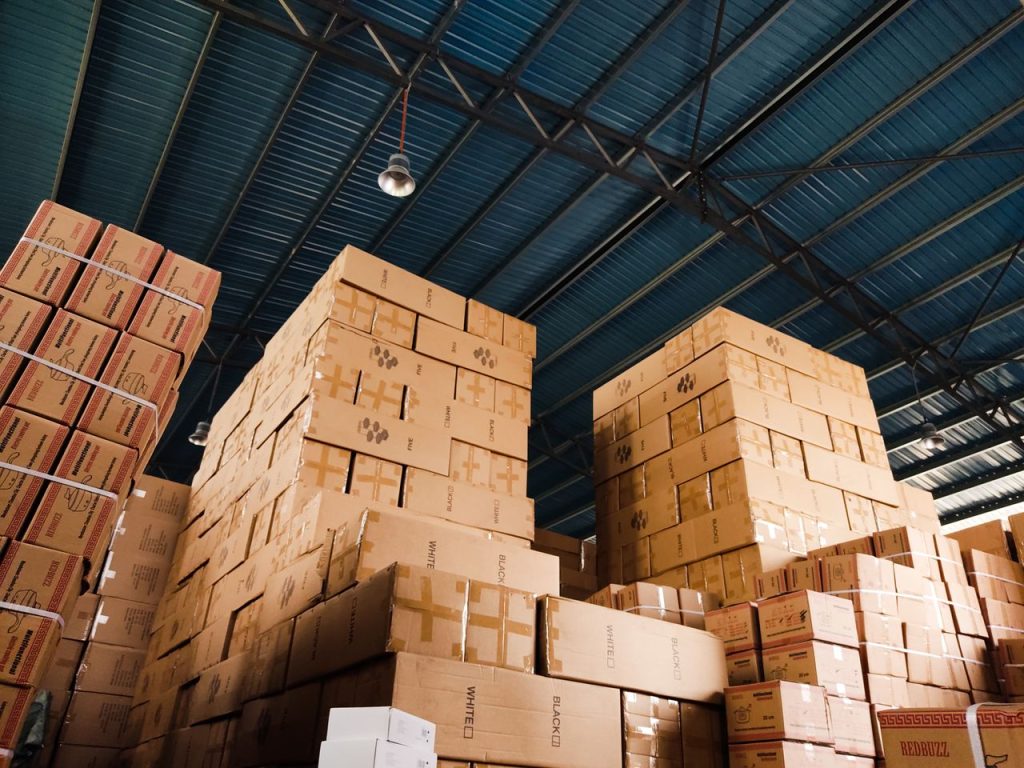
Finding reliable bulk food storage in Lagos is not simply about renting a large warehouse and moving cartons inside. Food products have different storage requirements, and poor handling can quickly turn a profitable shipment into damaged stock.
For wholesalers, restaurants, supermarkets, caterers and food distributors, storage decisions usually depend on three things: the type of food, how long it will stay in storage and how quickly it needs to reach customers.
Travo.ng helps businesses coordinate food storage, transportation and distribution so that goods can move through Lagos with fewer unnecessary delays.
Know What Your Food Actually Needs Before Booking Space
Not every food item belongs in the same type of facility.
Rice, beans, flour, packaged noodles, canned products and some beverages can normally be kept in properly maintained dry storage. Frozen chicken, seafood, meat, ice cream and similar products require controlled cold storage.
Fresh vegetables, fruits and dairy products may also need temperature-controlled handling, but their requirements can differ from frozen goods.
Before arranging storage, confirm:
- Whether the products require dry, chilled or frozen conditions
- The number of bags, cartons, pallets or tonnes involved
- Expected storage duration
- How frequently stock will leave the facility
- Whether delivery vehicles will collect complete loads or smaller quantities
These details help prevent businesses from paying for unsuitable space.
Location Can Affect Your Total Storage Cost
A warehouse may offer an attractive rate and still become expensive if it is badly located for your distribution operation.
A food supplier serving restaurants around Lekki, Victoria Island and Ikoyi, for example, should calculate what repeated journeys from a distant warehouse will cost. Fuel, driver time and Lagos traffic can gradually erase the savings from cheaper storage.
Businesses distributing across Ikeja, Maryland, Yaba, Surulere or Lagos Island should consider access to major roads as carefully as the storage rate itself.
For imported food arriving through Lagos ports, businesses should also plan the movement from the port to the storage location before the shipment is released. Poor coordination can result in trucks, staff and storage space being ready at different times.
Bulk Storage Works Better With Proper Stock Rotation
One common mistake is continuously adding new stock without organising how older stock will leave the warehouse.
Food businesses should maintain clear records showing quantities received, batch information and expected expiry dates. Products with shorter shelf lives should normally be dispatched before newer stock where appropriate.
A practical storage operation should also make it easy to identify products without opening or moving several unrelated cartons.
This becomes particularly important for businesses supplying multiple customers. A distributor might receive 500 cartons at once but dispatch only 30 to 50 cartons to individual supermarkets or restaurants.
The storage arrangement therefore needs to support both bulk receiving and smaller outbound movements.
Cold Food Needs More Than a Refrigerated Room
For frozen and temperature-sensitive products, the journey before and after storage matters just as much as the warehouse.
Imagine frozen seafood leaving a supplier in Apapa and travelling to a cold facility. If it spends several hours inside an unsuitable vehicle during heavy Lagos traffic, storing it correctly afterwards may not undo the damage caused during transportation.
Businesses using cold storage should therefore plan the entire cold chain, including pickup, loading, transport, unloading and final delivery.
Travo.ng can coordinate cargo movement and delivery alongside storage requirements, helping businesses avoid treating transportation and warehousing as two disconnected jobs.
Plan Outbound Deliveries Before Stock Arrives
Storage becomes much easier when there is already a distribution plan.
A restaurant supplier might need deliveries to Lekki three times weekly. A supermarket distributor may send vehicles to Ikeja, Ajah and Surulere on different days. Another company may move full truckloads from Lagos to Abuja, Ibadan or Benin City.
Knowing these requirements early helps determine where stock should be stored and what kind of vehicle access is necessary.
It also reduces emergency dispatches, where businesses suddenly have to find a truck because customers need goods immediately.
Travo.ng provides transport coordination, delivery services and business logistics support that can be combined with bulk food movement within Lagos and to interstate destinations.
Avoid These Mistakes When Storing Food in Bulk
Food storage problems are often caused by basic operational mistakes rather than lack of warehouse space.
Watch out for:
- Storing food directly on unsuitable floors
- Mixing products with very different storage requirements
- Poor ventilation in dry-storage areas
- Weak pest-control procedures
- Inadequate inventory records
- Keeping damaged cartons with good stock
- Booking warehouse space without considering truck access
- Allowing temperature-sensitive products to sit during loading
- Failing to plan deliveries before stock begins accumulating
Businesses should inspect their storage requirements carefully rather than choosing a facility based on price alone.
Arrange Bulk Food Storage and Distribution With Travo.ng
The right bulk food storage in Lagos should protect your inventory while making distribution easier.
Whether you are managing packaged foods, wholesale supplies, restaurant inventory or temperature-sensitive products, Travo.ng can help coordinate suitable storage arrangements alongside cargo transport, delivery and distribution.
Instead of managing separate providers for storage and movement, businesses can organise the logistics around how their stock actually enters and leaves Lagos warehouses.
That makes it easier to keep inventory moving, reduce unnecessary handling and deliver food products to customers when they are needed.
