


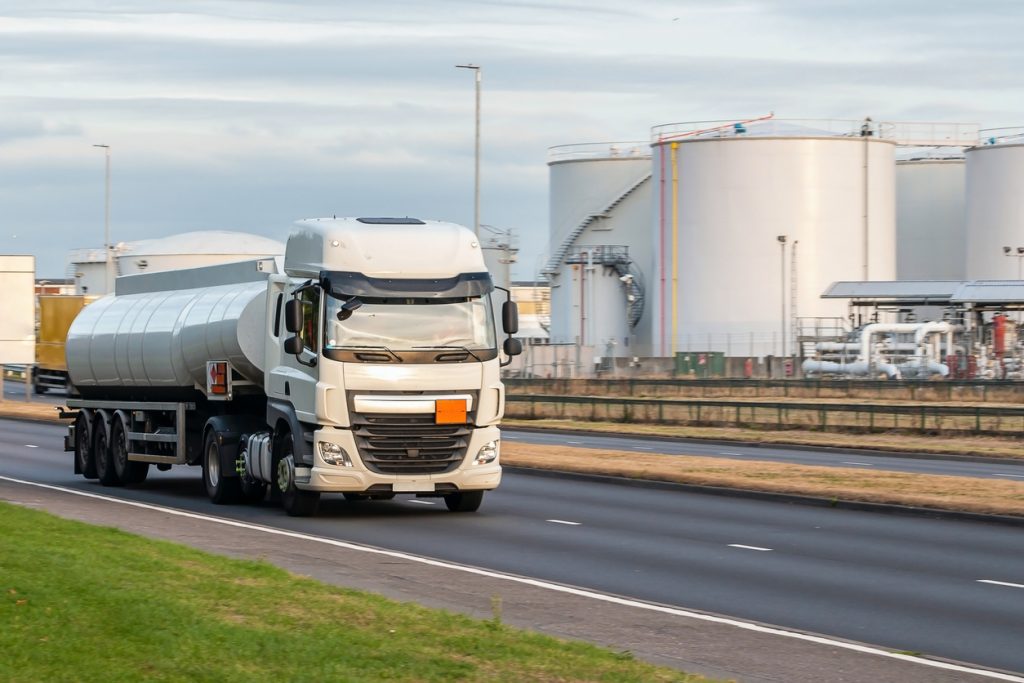
Managing fuel movement in Nigeria is not as simple as loading diesel into a truck and sending it out. Between traffic delays, depot queues, poor route updates, driver communication gaps, and customer complaints, businesses need better visibility. That is why fuel delivery tracking software in Nigeria has become important for companies that depend on regular fuel supply, generator refuelling, fleet operations, and bulk diesel delivery.
For hotels, estates, factories, hospitals, construction sites, logistics companies, and event centres, fuel delays can affect daily operations. A generator that runs out of diesel in Lekki, Ikeja, Abuja, Port Harcourt, or Kano can disrupt business within minutes. With proper tracking, dispatch teams know where each delivery vehicle is, when it will arrive, and whether the customer has received the correct quantity.
What fuel delivery tracking helps businesses control
A good tracking system helps businesses monitor the full delivery process, from order confirmation to final drop-off. Instead of calling drivers every ten minutes, operations teams can follow delivery movement more clearly.
It helps with:
- Assigning fuel orders to available drivers
- Monitoring tanker or truck movement
- Confirming arrival at customer locations
- Reducing delivery disputes
- Tracking fuel supply across multiple sites
- Improving customer updates
- Managing same-day or scheduled deliveries
For Nigerian businesses, this matters because delays can come from many places: Apapa traffic, bad roads, fuel depot congestion, police checkpoints, weather, or last-minute customer changes.
Why Nigerian fuel logistics needs better visibility
Fuel delivery in Nigeria often involves tight timing. A hotel in Victoria Island may need diesel before evening peak power use. A construction site in Abuja may need supply before machines resume work. A school or estate may want delivery only during approved access hours.
Without proper tracking, dispatch teams may not know if a driver is delayed at the depot, stuck on Third Mainland Bridge, or already near the customer’s gate. That lack of visibility creates pressure for both the business and the customer.
Fuel delivery tracking software in Nigeria helps reduce that uncertainty by giving operators a clearer picture of each delivery.
Common mistakes fuel suppliers make
Many fuel suppliers still depend only on phone calls, WhatsApp messages, and handwritten delivery notes. These can work for small operations, but they become unreliable as orders increase.
Common problems include:
- Sending the wrong vehicle to the wrong location
- Poor customer updates during delays
- No proper record of completed deliveries
- Difficulty tracking multiple drivers at once
- Disputes over delivery time or fuel quantity
- Missed urgent orders from repeat customers
When these issues happen regularly, customers start looking for more organised providers.
How Travo.ng supports fuel delivery and logistics coordination
Travo.ng helps businesses manage practical logistics needs across Nigeria, including delivery coordination, transport support, courier movement, cargo logistics, and business logistics operations. For companies handling fuel supply, Travo.ng can support smoother coordination by helping organise dispatch movement, vehicle arrangements, route planning, and customer delivery schedules.
A business that supplies diesel to estates, offices, or event venues can use Travo.ng’s logistics support to manage delivery requests more professionally. Instead of handling every movement manually, teams can coordinate deliveries with clearer timelines and better communication.
Travo.ng also supports related business needs such as vehicle hire, cargo movement, courier services, relocation logistics, and transport coordination, making it useful for companies that handle more than fuel alone.
What to check before choosing a tracking solution
Before using any fuel delivery tracking software in Nigeria, businesses should check whether it fits local realities. A system may look impressive, but if it does not work well with Nigerian routes, driver behaviour, mobile data issues, and dispatch pressure, it may frustrate the team.
Look out for:
- Easy driver updates
- Real-time or near real-time location tracking
- Delivery confirmation records
- Customer notification support
- Order history
- Multi-vehicle tracking
- Simple dashboard for operations staff
- Support for Lagos, Abuja, Port Harcourt, and interstate routes
The best system should make work easier, not add more confusion.
Practical example of fuel delivery tracking in Lagos
Imagine a diesel supplier handling deliveries from a depot around Apapa to customers in Lekki Phase 1, Ikeja GRA, and Ajah on the same day. Without tracking, the dispatcher may not know which driver should go first or whether traffic has affected the schedule.
With proper tracking and logistics coordination, the team can plan better routes, update customers earlier, and reduce wasted movement. A Lekki customer waiting for fuel before night operations will feel more confident when they receive accurate delivery updates instead of vague promises.
A better way to manage fuel movement
Fuel delivery is time-sensitive, especially in a country where many businesses still depend on generators. Using fuel delivery tracking software in Nigeria helps suppliers reduce delays, improve accountability, and give customers better service.
For businesses that need practical logistics support, Travo.ng offers a convenient way to coordinate delivery, transport, vehicle movement, and business logistics across Nigeria. Whether you are managing fuel supply, courier dispatch, cargo movement, or regular transport needs, Travo.ng helps make the process more organised and reliable.
