


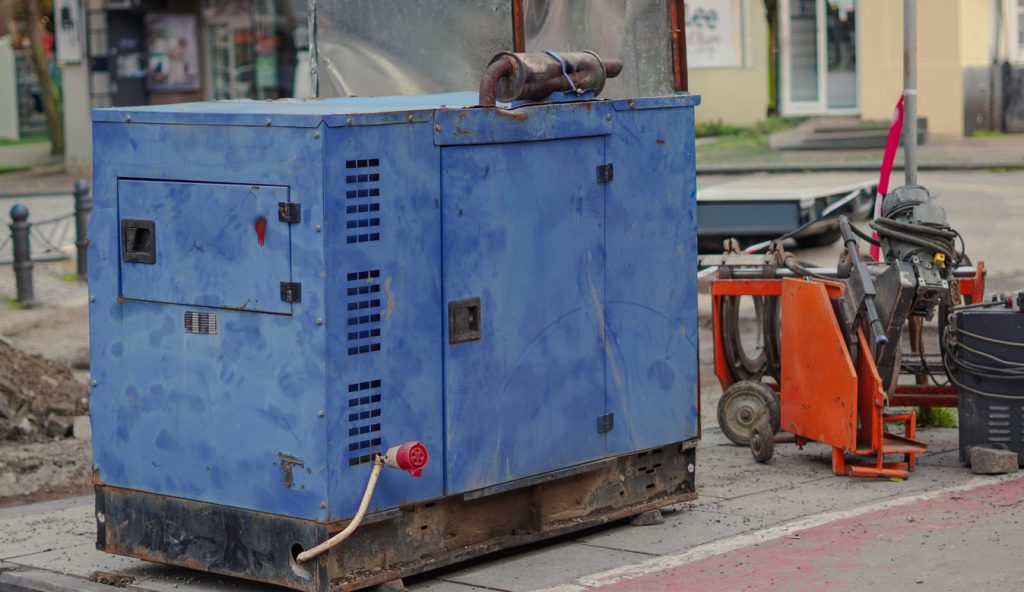
Flooding can disrupt electricity, block access roads and leave homes, shops, offices and work sites without reliable power. In many cases, a generator is needed urgently to keep essential equipment running, preserve food, support medical needs or maintain business operations.
However, generator delivery during flooding is not a normal transport job. Generators are heavy, fuel-powered machines that must be moved carefully, especially when roads are waterlogged, access points are narrow or the final destination is surrounded by floodwater.
A safe delivery plan should consider the generator’s size, the condition of the route, the available vehicle, lifting requirements and how the equipment will be protected from water.
Confirm Whether the Destination Is Still Accessible
Before sending a generator, confirm the actual condition of the road leading to the property. A route that was passable in the morning may become unsafe after several hours of heavy rain.
Ask the receiver to provide:
- Recent photos or videos of the road
- The estimated depth of the floodwater
- A nearby dry and accessible landmark
- Details about the building entrance
- Information about hidden gutters or damaged road sections
- The safest point for unloading
In areas such as Lekki, Ajah, Ikorodu, Port Harcourt or parts of Bayelsa, the delivery vehicle may not be able to reach the exact address. The generator may need to be unloaded at a safer point and transferred using another suitable transport method.
The Generator Size Determines the Delivery Method
A small portable generator can sometimes be moved in a pickup truck or van. Larger diesel generators may require a flatbed truck, crane truck or forklift support.
The delivery team should know the generator’s weight and dimensions before dispatch. Guessing can result in an undersized vehicle, unsafe lifting or damage to both the equipment and the truck.
Provide the following information when booking:
- Generator capacity and model
- Approximate weight
- Length, width and height
- Pickup and delivery addresses
- Available loading equipment
- Number of people available to assist
- Whether fuel is inside the tank
Where possible, drain excess fuel before movement. Fuel leaks can create a serious safety risk, particularly when the equipment is being tilted, lifted or transported through unstable conditions.
Protecting the Generator From Floodwater
Generators should not be placed directly in floodwater or exposed to heavy rainfall during delivery. Water can damage the alternator, control panel, wiring and other electrical components.
The equipment should be properly covered with waterproof material while still allowing safe handling. Sensitive sections may need additional wrapping, especially if the generator is being transported on an open truck.
At the destination, the generator should be placed on a dry, raised and stable surface. Avoid installing it in a basement, low compound corner or any area where floodwater may continue to rise.
It should also remain outdoors or in a properly ventilated generator house. Running a generator inside a living room, corridor or poorly ventilated space can expose occupants to dangerous exhaust fumes.
When Road and Boat Transport Must Be Combined
Some flooded communities may require a combination of road and water transport. A truck can move the generator to a safe waterfront point, after which a suitable boat or barge handles the final section.
This arrangement requires careful planning because ordinary passenger boats are not designed for heavy machinery. The vessel must have enough capacity, a stable loading area and experienced operators who understand weight distribution.
The generator must be secured so it does not shift during movement. Loading and unloading may also require ramps, lifting equipment or additional personnel.
Travo.ng can help coordinate road transport, boat movement, equipment handling and delivery timing when one transport method cannot complete the entire journey.
Common Mistakes That Cause Delays or Damage
A frequent mistake is booking a vehicle before checking the generator’s weight. Another is assuming that the receiver can provide enough people to unload the equipment manually.
Customers should also avoid sending a generator without confirming where it will be installed. Delivering heavy equipment to a flooded compound without a dry platform may leave it exposed and unusable.
Poor communication can also cause drivers to enter dangerous roads. The delivery team should receive updated route information throughout the journey, especially during continued rainfall.
Book Generator Delivery During Flooding With Travo.ng
Reliable generator delivery during flooding requires the right vehicle, accurate route information and proper handling from pickup to installation point.
Travo.ng helps individuals, businesses, estates and organisations coordinate generator transport, heavy equipment delivery, vehicle hire and emergency logistics across Nigeria. Where flooded roads prevent direct access, alternative movement can be planned using suitable vehicles or water transport.
With proper preparation, backup power equipment can reach the people who need it without exposing the generator, delivery team or receiving property to unnecessary risk.
