


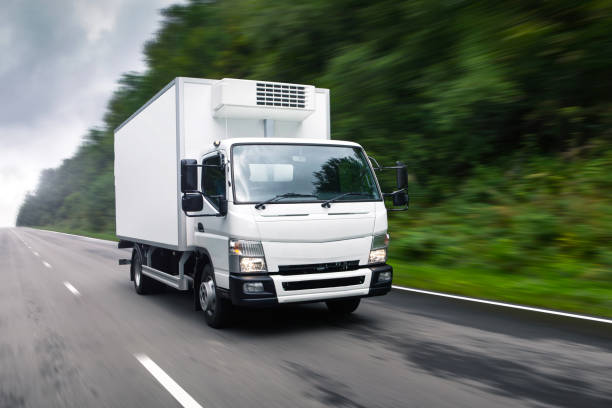
Vehicle telematics solutions in Lagos refer to integrated systems that combine GPS tracking, vehicle diagnostics, driver behavior monitoring, and data analytics to help businesses manage their vehicles more efficiently. These solutions provide real-time insights into vehicle location, performance, fuel usage, and safety conditions.
In a high-traffic commercial hub like Lagos, where logistics, ride-hailing, construction, and distribution fleets operate daily, telematics has become a core tool for modern fleet management.
What vehicle telematics solutions actually are
Vehicle telematics solutions are technology systems that collect and transmit data from vehicles to a central platform for analysis and decision-making.
They typically combine:
- GPS tracking devices
- Onboard vehicle sensors
- Mobile communication networks
- Cloud-based fleet management software
This allows businesses to monitor and optimize fleet operations in real time.
How telematics systems work
The system operates continuously:
- Vehicle sensors capture data (location, speed, fuel, engine status)
- GPS device transmits data through mobile networks
- Cloud platform processes and stores information
- Fleet managers access insights via dashboard or mobile app
- Alerts are generated for abnormal activity
This creates full visibility of fleet operations.
Key features of vehicle telematics solutions
A strong telematics system includes:
- Real-time GPS vehicle tracking
- Driver behavior monitoring (speeding, harsh braking, idling)
- Fuel consumption tracking and analysis
- Engine diagnostics and fault alerts
- Route optimization and trip history
- Geofencing and location alerts
- Maintenance scheduling and reminders
These features help improve efficiency and reduce operational costs.
Benefits for businesses in Lagos
In a busy city like Lagos, telematics solutions provide major advantages:
- Improved delivery speed and logistics coordination
- Reduced fuel waste and operational costs
- Better driver accountability
- Enhanced vehicle and cargo security
- Faster response to delays or breakdowns
- Increased fleet productivity
How telematics improves logistics performance
Vehicle telematics helps companies:
- Optimize delivery routes in real time
- Reduce time spent in traffic and idle situations
- Coordinate multiple vehicles efficiently
- Improve last-mile delivery accuracy
- Monitor fleet utilization rates
This leads to smoother and more reliable logistics operations.
Security benefits of telematics solutions
Security is a major benefit for Lagos-based fleet operators.
Telematics helps by:
- Tracking stolen or diverted vehicles in real time
- Sending alerts for unauthorized movement
- Monitoring suspicious stops or route deviations
- Enabling faster recovery of vehicles
- Supporting remote engine immobilization in advanced systems
Fuel and cost efficiency benefits
Fuel and maintenance are major cost drivers in fleet operations.
Telematics reduces costs by:
- Detecting fuel theft or abnormal consumption
- Reducing engine idling time
- Improving driving habits
- Optimizing routes and travel time
- Supporting preventive maintenance
Common problems solved by telematics systems
Without telematics, companies often face:
- Poor fleet visibility
- High fuel expenses
- Inefficient route planning
- Frequent vehicle misuse
- Delayed deliveries and poor coordination
Telematics solves these problems through automation and real-time data.
Use cases in Lagos transport environment
In Lagos, vehicle telematics is widely used for:
- Logistics and delivery companies
- Ride-hailing and taxi fleets
- Construction and engineering firms
- Corporate transport services
- Cold chain and FMCG distribution fleets
Common mistakes businesses make
Some companies fail to maximize telematics systems:
- Ignoring driver behavior reports
- Not acting on fuel consumption alerts
- Poor integration with logistics operations
- Using tracking only for theft recovery
- Lack of staff training and enforcement
Integration with other systems
Vehicle telematics solutions can integrate with:
- Fleet management software
- Fuel monitoring systems
- Maintenance tracking platforms
- Warehouse and logistics systems
- ERP and business intelligence tools
This creates a fully connected transport ecosystem.
How Travo.ng supports vehicle telematics solutions
Modern fleet operations require both tracking technology and logistics intelligence.
Travo.ng supports businesses through:
- Real-time vehicle telematics systems
- GPS tracking and fleet monitoring solutions
- Logistics coordination and route optimization
- Driver behavior and fuel management tools
- End-to-end mobility intelligence across Nigeria
This helps companies improve efficiency, safety, and cost control.
Final thoughts
Vehicle telematics solutions in Lagos are essential for modern fleet operations. They combine GPS tracking, vehicle diagnostics, and data analytics to improve efficiency, reduce costs, and enhance security.
In a fast-paced logistics environment like Lagos, telematics gives businesses the visibility and control needed to stay competitive.
