


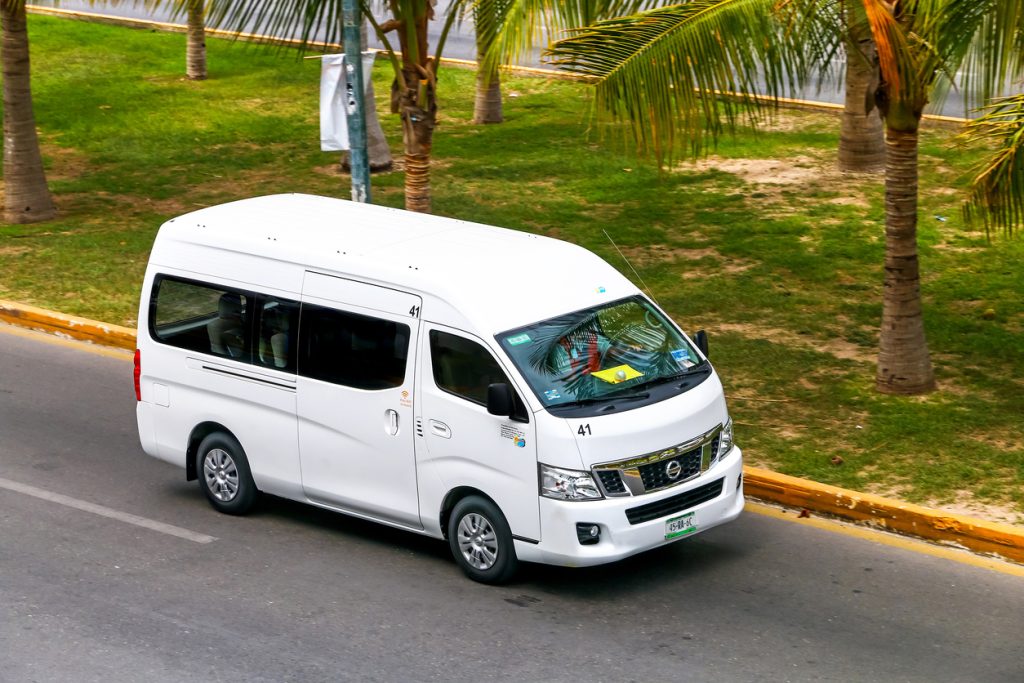
Van fleet management services refer to the professional coordination, monitoring, and optimization of multiple vans used for business, logistics, delivery, or passenger transport operations. These services are designed to help companies, investors, and logistics providers improve vehicle utilization, reduce operating costs, enhance driver performance, and maximize return on investment (ROI) from their vehicle assets.
Van fleets are widely used in last-mile delivery, e-commerce logistics, corporate transport, and distribution networks, making effective fleet management essential for operational efficiency.
What van fleet management services mean
Van fleet management involves the end-to-end oversight of multiple vans used for commercial purposes.
A fleet management provider typically handles:
- Vehicle tracking and route optimization
- Driver management and scheduling
- Maintenance and servicing coordination
- Fuel consumption monitoring
- Delivery and logistics planning
- Regulatory compliance and documentation
- Cost tracking and financial reporting
In simple terms, it ensures vans are always productive, well-maintained, and efficiently deployed.
Why van fleet management is important
Operating vans without structured management often leads to inefficiencies.
Common issues include:
- High fuel consumption and wastage
- Poor route planning and delays
- Frequent vehicle breakdowns
- Low vehicle utilization
- Driver inefficiency or misuse
- Rising operational costs
- Weak profitability for logistics businesses
Fleet management addresses these issues through structured systems and oversight.
Core components of van fleet management services
1. Fleet tracking and telematics
Real-time visibility is essential for efficient operations.
This includes:
- GPS vehicle tracking
- Route monitoring and optimization
- Driver behavior analysis
- Speed and idle time tracking
- Geofencing for delivery control
2. Route optimization and delivery planning
Efficient routing reduces cost and improves delivery speed.
Management involves:
- Planning shortest and most efficient routes
- Reducing fuel consumption through optimized paths
- Scheduling deliveries based on priority
- Avoiding traffic congestion and delays
- Coordinating multi-stop delivery routes
3. Driver management
Drivers play a critical role in fleet performance.
This includes:
- Driver recruitment and onboarding
- Training and performance monitoring
- Shift scheduling and workload balancing
- Compliance with driving regulations
- Incentive and performance systems
4. Vehicle maintenance and servicing
Proper maintenance ensures reliability and reduces breakdowns.
Services include:
- Preventive maintenance scheduling
- Repair coordination and workshop management
- Tire and engine monitoring
- Vehicle inspection tracking
- Breakdown response and recovery support
5. Fuel management and cost control
Fuel is one of the largest fleet expenses.
Management includes:
- Fuel consumption monitoring
- Fuel card or digital tracking systems
- Identifying fuel wastage or fraud
- Optimizing driving patterns for efficiency
- Cost reporting per vehicle
6. Logistics and delivery coordination
For cargo and distribution fleets, coordination is key.
This includes:
- Dispatch planning
- Parcel and cargo tracking
- Last-mile delivery coordination
- Warehouse-to-customer logistics flow
- Service-level agreement (SLA) management
7. Compliance and documentation
Fleet operations must follow regulatory requirements.
This includes:
- Vehicle registration and licensing
- Insurance tracking
- Roadworthiness certification
- Safety compliance monitoring
- Driver documentation and permits
8. Financial reporting and analytics
Fleet owners need visibility into performance.
Reports include:
- Cost per kilometer
- Fuel efficiency metrics
- Maintenance cost breakdown
- Revenue per vehicle
- Profitability per route or client
- ROI tracking
Types of van fleet management models
1. Logistics delivery fleet management
Focused on e-commerce, courier, and parcel delivery services.
2. Corporate transport fleet management
Used for staff transportation and business mobility.
3. Rental van fleet management
Management of vans rented to individuals or businesses.
4. Cold chain and refrigerated delivery fleet
Specialized fleet for temperature-sensitive goods.
5. Last-mile delivery fleet optimization
Focused on urban delivery efficiency and speed.
Key performance indicators (KPIs)
Van fleet performance is measured using:
- Vehicle utilization rate
- Cost per kilometer
- Fuel efficiency (km per liter)
- Delivery success rate
- On-time delivery percentage
- Maintenance downtime rate
- Driver performance score
- Return on investment (ROI)
Benefits of van fleet management services
Improved efficiency
Better routing and scheduling reduce delays.
Lower operational costs
Fuel and maintenance expenses are optimized.
Increased vehicle lifespan
Preventive maintenance reduces breakdowns.
Higher delivery performance
Faster and more reliable logistics operations.
Better asset utilization
Vans are consistently active and productive.
Improved profitability
Reduced waste increases overall ROI.
Challenges in van fleet operations
Despite benefits, challenges include:
- Traffic congestion and urban delivery delays
- Rising fuel prices
- Vehicle maintenance costs
- Driver management difficulties
- Theft or asset misuse risks
- Unpredictable delivery demand
Risks of unmanaged van fleets
Without structured management, operators may experience:
- Low delivery efficiency
- High fuel wastage
- Frequent vehicle breakdowns
- Poor customer satisfaction
- Increased operational costs
- Reduced fleet profitability
Technology used in van fleet management
Modern systems rely on:
- GPS tracking and telematics systems
- Fleet management software platforms
- Route optimization algorithms
- Fuel monitoring tools
- Mobile delivery tracking apps
- Data analytics dashboards
These tools improve visibility, control, and efficiency.
Where logistics coordination fits into van fleet management
Van fleets are deeply connected to logistics systems such as:
- Warehouse distribution networks
- E-commerce order fulfillment
- Parcel and courier systems
- Supply chain and inventory movement
- Last-mile delivery infrastructure
Efficient logistics coordination ensures timely and cost-effective deliveries.
How Travo.ng supports logistics coordination
While van fleet management services focus on optimizing vehicle operations and delivery efficiency, logistics coordination ensures smooth movement of goods across transport systems.
Travo.ng supports logistics operations through:
- Cargo consolidation and freight coordination
- Intercity and interstate delivery services
- Port-to-destination logistics support
- Supply chain coordination across Nigeria
- End-to-end logistics execution for cargo movement
This helps reduce inefficiencies and improves overall delivery performance.
Final thoughts
Van fleet management services are essential for businesses and investors looking to operate efficient, cost-effective, and scalable transportation systems. By combining tracking technology, route optimization, maintenance planning, and financial oversight, fleet management transforms vans into productive, revenue-generating assets.
In modern logistics, success depends not just on owning vehicles, but on how effectively they are managed, deployed, and optimized for continuous performance.
