


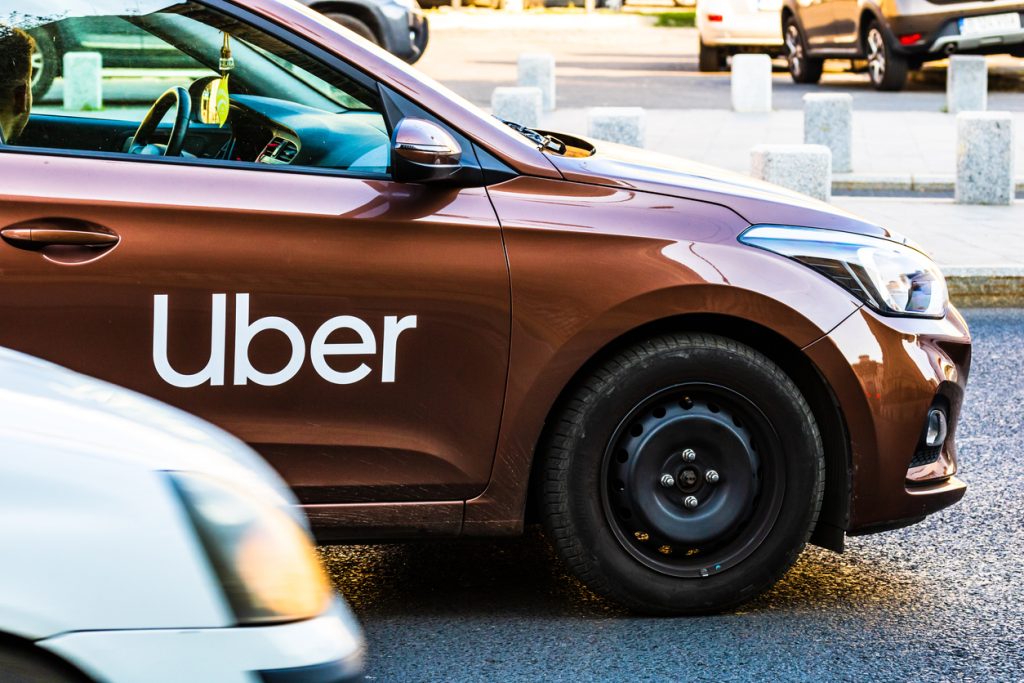
Uber is no longer operating in Lagos because the company has ended its ride-hailing operations across Nigeria. However, it is important to distinguish Uber’s nationwide exit from the separate restrictions that affected e-hailing pickups at Lagos airports.
Uber officially wound down its Nigerian operations on September 2, 2026, after 12 years in the country.
Was Uber Banned in Lagos?
Uber was not simply banned by the Lagos State Government. The company made the decision to leave the Nigerian market following a review of its business operations and priorities.
Before the nationwide shutdown, there were also regulatory issues affecting Uber and other e-hailing services at airports, including Murtala Muhammed International Airport in Lagos.
What Happened at Lagos Airport?
The Federal Airports Authority of Nigeria introduced measures concerning how commercial transport operators operate within airport premises.
This created confusion among travellers, with some reports describing the situation as a ban on Uber and other e-hailing platforms. FAAN, however, said it had not imposed a blanket ban on e-hailing services at Nigerian airports.
Can You Still Use Uber in Lagos?
No. Uber rides are no longer available in Lagos because Uber has ended its operations in Nigeria.
The shutdown affects Uber’s wider Nigerian ride-hailing service rather than being limited to Lagos.
What Does This Mean for Lagos Passengers?
Lagos passengers who previously depended on Uber for commuting, airport transfers and business trips now need to consider other ride-hailing services, taxis or organised transportation.
The change may also increase competition among alternative mobility providers serving Lagos commuters.
How Travo.ng Can Help
Travo.ng provides travel and transportation solutions for customers who need dependable mobility in Lagos and other Nigerian destinations. Planned journeys and airport transfers can be arranged through suitable transportation options based on the traveller’s needs.
Uber’s departure is a major change for Lagos transportation, but the city’s demand for reliable mobility remains strong.
