


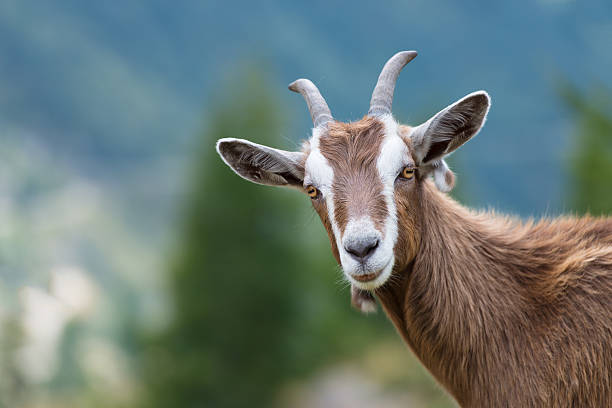
Transporting goats in Nigeria is common for farmers, breeders, livestock traders, restaurants, meat businesses and people buying animals for religious or family occasions. Goats may need to move from farms to markets, between breeding locations or across states.
Because goats can become stressed, dehydrated or injured during poorly planned journeys, transportation should be organised around the animals rather than treated like ordinary cargo. The Federal Ministry of Livestock Development has also identified safer and more efficient livestock transportation as an important part of improving Nigeria’s livestock value chain. (FMLD)
Preparing Goats Before Transportation
Before loading, check that the goats are healthy enough to travel. Weak, visibly sick or injured animals may require veterinary attention before being transported.
The number of goats should also be considered when arranging the vehicle. Overcrowding can increase stress, falls and injuries, particularly when the vehicle is moving over uneven roads.
For longer journeys, plan the route and expected travel time before departure. The general principle for livestock transportation is to keep journey time as short as reasonably possible while maintaining suitable conditions for the animals.
Choosing the Right Vehicle for Goat Transport
Goats should be transported in a vehicle that can safely contain the animals while allowing adequate ventilation.
The loading area should have secure sides and a floor that reduces slipping. Nigerian livestock handling guidance highlights the importance of avoiding injuries and minimising stress, while features such as non-slip flooring, ventilation, partitions and suitable loading arrangements are recognised as important for livestock transport. (FMLD)
A vehicle should also be checked for sharp edges, loose materials or openings through which a goat could escape.
Loading Goats Without Unnecessary Stress
Loading can become difficult when goats are frightened or handled aggressively.
Use a controlled loading area and avoid excessive shouting, chasing or rough handling. A suitable ramp can make loading easier where the vehicle is elevated.
If several goats are being transported together, organise them so that they have enough room to remain stable without excessive crowding.
The driver should also understand that sudden acceleration, hard braking and sharp turns can make animals lose their balance.
Transporting Goats Between Nigerian Cities
Goats are frequently moved from livestock-producing areas to major markets and consumer centres across Nigeria.
A journey from northern livestock markets to cities in the South, for example, can involve considerable distance, traffic, security considerations and changing road conditions. The Federal Ministry of Livestock Development has specifically noted the challenges created when live animals are transported long distances between production areas and major consumer markets. (FMLD)
For interstate movement, check the applicable veterinary and animal-health requirements before departure. Nigeria’s animal quarantine authorities recognise goats among the live animals subject to veterinary inspection and certification functions. (Nigeria Agricultural Quarantine Service)
Moving Goats From a Farm to a Buyer
A common transport request is moving goats directly from a farm to a customer.
Before pickup, confirm the number of goats, approximate sizes, pickup location and delivery address. The receiving person should also be available when the animals arrive.
If the goats are being delivered to another farm, prepare a secure holding area before the vehicle arrives. This prevents unnecessary waiting and repeated handling.
Transporting Goats for Breeders and Farmers
Breeders may need to transport goats when expanding a herd, selling breeding stock or moving animals to another farm.
Breeding goats can be particularly valuable, so the transport arrangement should take account of their individual size, condition and temperament.
Where animals are being moved for restocking or other organised livestock programmes, health documentation may also be required. Nigerian livestock guidance used for goat restocking, for example, specifies veterinary health certification and animal-health requirements. (IOM Nigeria)
How Much Does Goat Transport Cost in Nigeria?
There is no single fixed price for transporting goats in Nigeria. The cost depends on the specific journey and the logistics involved.
Important factors include:
- Pickup and delivery locations
- Number of goats
- Size of the animals
- Distance and journey duration
- Type of vehicle required
- Loading and unloading arrangements
- Fuel and road conditions
- Number of handlers required
- Veterinary or movement documentation where applicable
Moving a few goats within the same city will naturally involve different logistics from transporting a large herd between states.
When requesting a quote, provide the pickup location, destination, number of goats and preferred delivery date.
Goat Transport for Livestock Markets
Transporting goats to a livestock market requires coordination between the seller, transporter and receiving market.
The animals should not be left waiting unnecessarily after arriving. If the journey involves a busy market, plan the timing carefully so unloading can take place safely.
Proper handling also matters after arrival. Goats that have spent several hours travelling may need time to settle before being moved again.
Biosecurity During Goat Transportation
Moving goats between farms and markets can create animal-health risks if vehicles, equipment and animals are not managed properly.
Transport equipment should be cleaned appropriately between journeys, particularly when it has previously carried animals from another farm or market. Where disease-control measures apply, follow the instructions of the relevant veterinary authorities.
Nigeria is currently strengthening veterinary services, animal-health systems and livestock traceability as part of broader livestock-sector reforms. (FMLD)
Arranging Goat Transport With Travo.ng
If you need to transport goats in Nigeria, Travo.ng can help coordinate the logistics where the required live-animal transportation service is available.
When making an enquiry, provide the pickup location, destination, number of goats, approximate size of the animals and preferred travel date. Mention any special handling requirements as well.
This information makes it easier to identify an appropriate transportation arrangement rather than treating the goats as ordinary cargo.
Preparing for the Goats to Arrive
The receiving location should be prepared before the goats arrive.
Provide a secure holding area with appropriate shelter and access to water. Remove unnecessary obstacles and make sure the unloading space is safe for both the animals and handlers.
Whether you are moving goats from a farm to a buyer, delivering them to a livestock market or transporting breeding animals between Nigerian states, proper planning can reduce unnecessary stress, delays and handling problems.
