


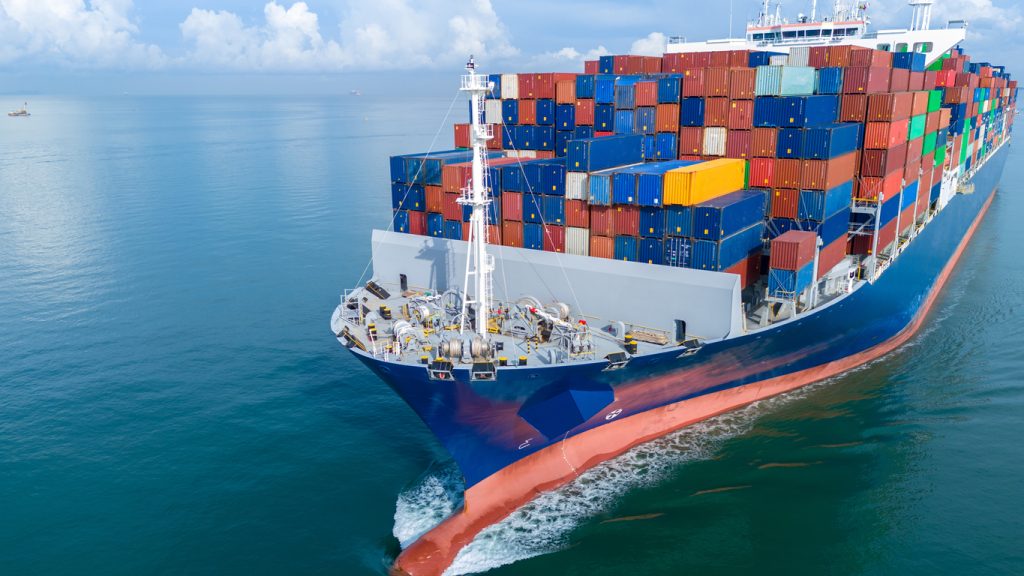
Transport disruption in Nigeria refers to any event or condition that interrupts the normal movement of goods, passengers, or logistics services across roads, ports, rail, or inland waterways. It affects supply chains, delivery schedules, and business operations nationwide.
In simple terms, it means transportation is delayed, blocked, or not working smoothly.
Types of Transport Disruption in Nigeria
1. Road Transport Disruption
Caused by:
- Traffic gridlock (especially Lagos)
- Road accidents
- Bad road conditions
- Fuel scarcity
2. Port-Related Transport Disruption
Happens when cargo cannot move out of ports due to:
- Apapa and Tin Can congestion
- Truck shortages
- Customs clearance delays
- Terminal congestion
3. Strike-Related Disruption
Includes:
- Truck drivers’ strikes
- Dockworker strikes
- Port labour disputes
4. Security-Related Disruption
Caused by:
- Robbery or cargo theft
- Community unrest
- Road insecurity in some regions
5. Infrastructure Failure
Includes:
- Broken bridges or roads
- Flooded highways
- Rail system delays or breakdowns
Major Causes of Transport Disruption in Nigeria
1. Poor Infrastructure
- Damaged roads
- Limited rail coverage
- Weak logistics networks
2. Port Congestion
Especially in:
- Apapa Port
- Tin Can Island Port
- Lekki Port (emerging pressure zones)
3. Policy and Regulatory Delays
- Customs bottlenecks
- Road restrictions for trucks
- Import clearance delays
4. Fuel Supply Issues
- Fuel scarcity increases transport costs
- Limits vehicle movement
5. High Demand for Logistics Services
Too many goods moving through limited infrastructure.
Effects of Transport Disruption
1. Increased Logistics Costs
Businesses pay more for:
- Trucking
- Storage
- Fuel and waiting time
2. Delivery Delays
Goods arrive late at:
- Warehouses
- Retail outlets
- Manufacturing plants
3. Supply Chain Breakdown
Impacts:
- Production delays
- Stock shortages
- Missed sales opportunities
4. Cargo Damage Risk
Delayed transport increases exposure to:
- Heat
- Moisture
- Theft or pilferage
5. Inflation Pressure
Higher transport costs increase product prices.
Impact on Importers and Businesses
- Unpredictable delivery timelines
- Increased operational costs
- Reduced customer satisfaction
- Difficulty planning inventory
- Loss of business opportunities
How Transport Disruption Is Managed in Nigeria
1. Traffic Management Systems
Especially in Lagos to control truck flow.
2. Alternative Routes
Using:
- Inland waterways
- Alternative highways
- Secondary ports
3. Use of Digital Logistics Systems
Helps schedule and track cargo movement.
4. Infrastructure Development
Road repairs, rail expansion, and port upgrades.
5. Security Measures
Escort systems and improved policing on key routes.
How Businesses Can Reduce Transport Disruption Impact
1. Plan Logistics Early
Avoid peak congestion periods.
2. Use Reliable Freight Forwarders
They help manage routing and delays.
3. Diversify Transport Channels
Use:
- Multiple ports
- Road and rail options
4. Pre-Clear Cargo
Reduces time spent at ports.
5. Use Warehousing Near Ports
Helps avoid immediate road congestion.
Risks Associated with Transport Disruption
- Increased delivery costs
- Cargo damage
- Theft or loss
- Missed deadlines
- Supply chain instability
Role of Insurance in Transport Disruption
Cargo insurance may cover:
- Physical damage during transit
- Loss due to insured risks
- Contamination during delay exposure
However, delay-related costs (like demurrage or extra transport charges) are usually not covered unless specified.
How Travo.ng Supports Businesses in Nigeria
Transport disruption affects both port clearance and inland logistics. Efficient distribution is key to reducing overall supply chain delays.
This is where Travo.ng supports businesses across Nigeria.
Travo.ng provides:
- Cargo pickup from Apapa, Tin Can, and Lekki ports
- Nationwide transportation services
- Interstate logistics coordination
- Commercial cargo delivery
- Distribution support for businesses
- Last-mile delivery solutions
Efficient logistics planning helps reduce the impact of transport disruptions on businesses.
Final Insight
Transport disruption in Nigeria is driven by infrastructure challenges, port congestion, strikes, and security issues. It increases costs and delays across supply chains, but better planning, improved infrastructure, and diversified logistics systems can significantly reduce its impact.
