


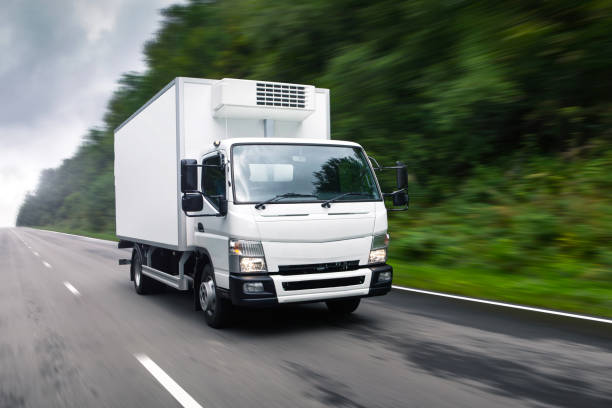
Transport company tracking solutions in Nigeria have become essential for businesses that manage vehicles, drivers, cargo, and customer deliveries. Whether a company operates interstate trucks, delivery vans, staff buses, or commercial fleets, real-time tracking provides the visibility needed to run efficient and profitable operations.
In major transport hubs like Lagos, where thousands of vehicles move daily between ports, warehouses, businesses, and customers, tracking technology helps companies maintain control over every stage of transportation.
Why transport companies are investing in tracking technology
Managing vehicles without real-time visibility creates operational challenges that become more expensive as fleets grow.
Common issues include:
- Delayed deliveries
- Route deviations
- Fuel wastage
- Unauthorized vehicle use
- Poor driver accountability
- Limited communication between drivers and dispatch teams
Tracking solutions help transport companies identify and solve these problems before they affect customers or profitability.
What transport company tracking solutions actually include
Modern tracking solutions go beyond simple vehicle location monitoring.
A complete system typically provides:
- Real-time GPS vehicle tracking
- Fleet monitoring dashboards
- Driver behavior analysis
- Route management tools
- Fuel monitoring capabilities
- Delivery tracking and reporting
- Maintenance reminders
- Geofencing and security alerts
These features give managers a complete view of fleet operations from a single platform.
How transport tracking systems work
The technology combines vehicle hardware and cloud-based software.
A typical setup includes:
- GPS tracking devices installed in vehicles
- Mobile network connectivity
- Centralized fleet management software
- Real-time vehicle monitoring
- Mobile and desktop access for managers
This allows transport operators to monitor their fleets from virtually anywhere.
Improving delivery performance with tracking solutions
Customers increasingly expect accurate delivery information and reliable service.
Tracking systems help businesses:
- Monitor delivery progress in real time
- Reduce missed delivery windows
- Improve dispatch efficiency
- Provide accurate customer updates
- Respond quickly to delays
This leads to better customer satisfaction and stronger business relationships.
Managing interstate transport operations
Many Nigerian transport companies operate across long-distance routes such as:
- Lagos to Abuja
- Lagos to Kano
- Port Harcourt to Abuja
- Onitsha to Lagos
Tracking solutions provide visibility throughout the entire journey, helping managers monitor progress, coordinate deliveries, and improve communication with customers.
Driver management and accountability
Drivers play a major role in transportation efficiency and safety.
Tracking systems help companies:
- Monitor speeding incidents
- Identify harsh braking and acceleration
- Detect unauthorized stops
- Improve route compliance
- Encourage safer driving habits
This improves both operational performance and vehicle longevity.
Fuel management and cost control
Fuel costs represent a major expense for transport companies.
Tracking solutions help businesses:
- Monitor fuel consumption
- Detect fuel theft
- Reduce unnecessary idling
- Improve route efficiency
- Identify high-consumption vehicles
Over time, better fuel management can generate significant savings.
Security benefits for transport companies
Vehicle and cargo security remain important concerns across the transport sector.
Tracking systems help by:
- Providing live vehicle visibility
- Supporting stolen vehicle recovery
- Detecting unauthorized movement
- Creating alerts for unusual activity
- Monitoring vehicle activity after business hours
This improves overall fleet security and reduces risk exposure.
Common mistakes transport companies make
Some businesses invest in tracking systems but fail to use them effectively.
Common mistakes include:
- Monitoring location only and ignoring reports
- Failing to review driver performance data
- Ignoring vehicle alerts
- Not training operations staff
- Using outdated tracking technology
Successful transport companies use tracking data to improve daily decision-making.
Tracking solutions for different transport businesses
Tracking systems are useful across various sectors, including:
- Logistics and courier companies
- Haulage and freight operators
- Corporate transport services
- School transport fleets
- Staff shuttle services
- Distribution and FMCG businesses
Regardless of fleet size, visibility improves operational control.
How Travo.ng supports transport company operations
Modern transport management requires more than vehicle tracking alone.
Travo.ng supports businesses through:
- Fleet visibility solutions
- Vehicle tracking support
- Logistics coordination across Nigeria
- Transport planning services
- Business mobility management
- Operational monitoring tools
These services help transport companies improve efficiency while maintaining better control over fleet operations.
Final thoughts
Transport company tracking solutions in Nigeria have evolved into essential business tools. They provide real-time visibility, improve driver accountability, strengthen security, reduce operating costs, and enhance customer service.
As competition continues to increase across the transport and logistics industry, businesses that invest in effective tracking and fleet management solutions are better positioned to improve efficiency, protect assets, and deliver consistent service.
