


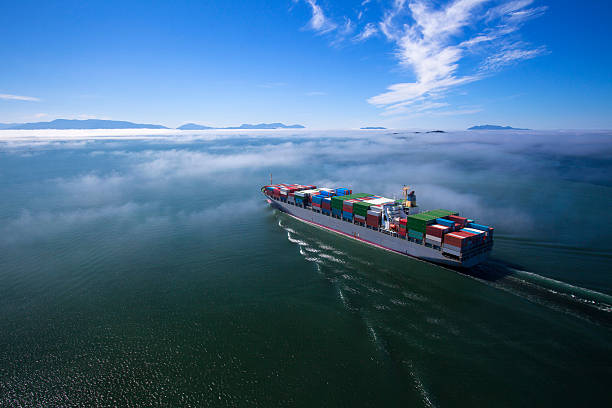
RoRo shipping in Nigeria refers to transporting vehicles and wheeled cargo that can be driven directly onto and off a ship. Instead of being loaded in containers, vehicles are simply rolled onto a specialized vessel and secured for sea transport.
It is the most common method for importing:
- 🚗 Cars
- 🚚 Trucks
- 🚌 Buses
- 🚜 Heavy machinery with wheels or tracks
🚢 How RoRo Shipping Works
🟢 1. Vehicle Drop-off at Port (Origin)
- Vehicle is driven to a RoRo terminal
- Documents are verified (title, export papers)
- Inspection is done before loading
🟡 2. Loading onto RoRo Vessel
- Vehicles are driven directly into the ship
- Parked on multiple decks
- Secured using wheel chocks and straps
🔵 3. Sea Transport
- Ship travels to destination country
- Vehicles remain safely secured inside the vessel
🔴 4. Arrival in Nigeria
- Ships arrive at:
- ⚓ Tin Can Island Port (Lagos) – main RoRo hub
- ⚓ Apapa Port
- ⚓ Onne Port (limited RoRo operations)
🚛 5. Unloading & Clearance
- Vehicles are driven off the ship
- Customs clearance is completed
- Vehicle is released to importer
⚓ Major RoRo Ports in Nigeria
🚢 Tin Can Island Port (Lagos)
Tin Can Island Port
- Main RoRo hub in Nigeria
- Handles most imported used cars (Tokunbo vehicles)
- Strong presence of clearing agents and shipping lines
🚢 Apapa Port (Lagos)
Apapa Port
- Handles mixed cargo including vehicles
- High traffic and congestion
🚢 Onne Port (Rivers State)
Onne Port
- Smaller RoRo activity
- Used for oil & gas vehicles and industrial equipment
🚗 What Can Be Shipped via RoRo?
- 🚗 Passenger cars (sedans, SUVs)
- 🚚 Commercial trucks
- 🚌 Buses
- 🚜 Farm tractors and machinery
- 🏗️ Construction vehicles (bulldozers, loaders)
🏢 Companies Involved in RoRo Shipping in Nigeria
- 🚢 International shipping lines:
- Maersk
- MSC
- Grimaldi Group (major RoRo operator)
- 🚛 Freight forwarders and clearing agents in Lagos ports
- ⚓ Terminal operators at Tin Can Island Port
- 🚗 Vehicle import specialists and customs brokers
💰 Cost of RoRo Shipping to Nigeria (2026 Estimate)
Costs depend on vehicle type, origin, and shipping line:
🚗 Vehicle Shipping Costs
- Europe → Nigeria: $900 – $2,500 per vehicle
- USA → Nigeria: $1,200 – $3,500 per vehicle
- UAE → Nigeria: $800 – $2,000 per vehicle
📦 Additional Costs in Nigeria
- Customs duty: depends on engine size and vehicle age
- Clearing agent fees: ₦150,000 – ₦500,000+
- Port charges: ₦50,000 – ₦300,000+
- Haulage (port to destination): ₦50,000 – ₦300,000+
⚠️ Advantages of RoRo Shipping
- 🚗 Cheaper than container shipping for vehicles
- ⚡ Faster loading and unloading process
- 🔧 Less handling damage risk
- 📦 Ideal for bulk vehicle imports
- 🚢 Widely available from Europe, USA, and Asia
⚠️ Disadvantages of RoRo Shipping
- 🔐 No personal items allowed inside vehicles
- 📦 Limited to wheeled cargo only
- 🚫 Less protection compared to container shipping
- ⏳ Possible port delays in Nigeria
📌 Key Challenges in Nigeria
- 🚦 Congestion at Tin Can Island Port
- 🧾 Complex customs valuation system
- ⏳ Demurrage and storage delays
- 💰 Fluctuating exchange rate affecting total cost
- 📉 Risk of unlicensed clearing agents
🔎 Travo.ng Logistics Insight (IMPORTANT)
For vehicle importers and car dealers:
👉 Travo.ng
On Travo.ng, you can:
- Connect with verified RoRo shipping agents
- Compare vehicle import and clearing costs
- Get quotes for car shipping to Nigeria
- Plan port-to-door vehicle delivery
This helps importers avoid scams and choose trusted logistics providers.
💡 Final Thoughts
RoRo shipping is the most efficient and cost-effective method for importing vehicles into Nigeria, especially through Tin Can Island Port in Lagos. It remains the backbone of Nigeria’s automobile import market.
