


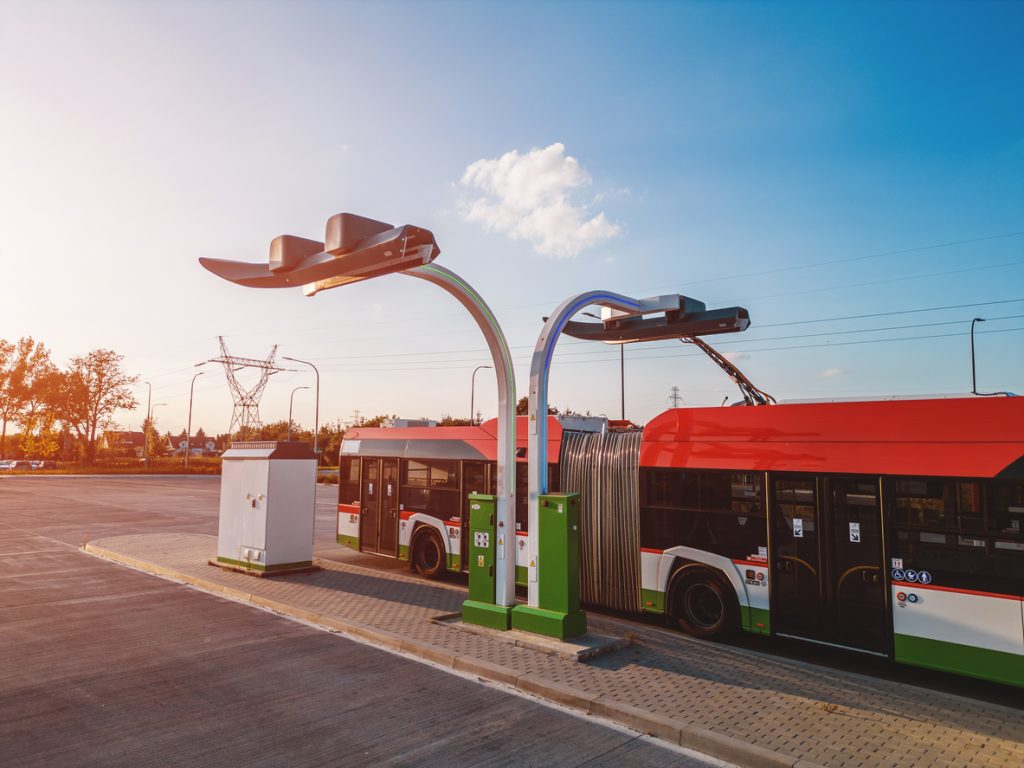
Electric vehicles are gradually becoming part of Nigeria’s transport conversation. For a country where buses, minibuses and other forms of public transport move millions of people every day, the transition to electric mobility could have a much bigger impact than simply replacing petrol or diesel vehicles.
Public transport electric vehicles in Nigeria could help operators manage fuel costs, reduce exhaust emissions and create a quieter travelling experience. But the switch is not as simple as buying an electric bus and putting it on a route. Charging, electricity supply, vehicle cost, maintenance and route planning all have to work together.
Where Electric Public Transport Makes the Most Sense
Electric vehicles are particularly interesting for routes where buses return to a known location regularly.
For example, a shuttle operating between a business district, hotel, airport or residential estate and a fixed terminal may be easier to electrify than a vehicle travelling unpredictable interstate routes throughout the day.
A typical urban fleet could:
- Start the day with a full charge.
- Operate several scheduled trips.
- Return to a depot or charging location.
- Recharge during off-peak periods or overnight.
- Repeat the cycle the following day.
This type of predictable operation makes it easier for a transport company to plan around battery range and charging requirements.
The Cost Question Is More Than the Price of the Vehicle
One of the biggest concerns for Nigerian transport operators is the initial cost of an electric vehicle.
An electric bus or shuttle can require significantly more upfront investment than a conventional vehicle. However, operators also need to consider what happens after the vehicle is purchased.
Fuel is one of the most visible running costs for conventional transport. Electric vehicles replace that expense with electricity and charging infrastructure. Maintenance requirements can also differ because electric drivetrains have fewer conventional engine components.
The right comparison, therefore, is not simply:
“How much does an electric bus cost?”
It is:
“How much will this vehicle cost to purchase, charge, maintain and operate over its working life?”
That calculation becomes particularly important for companies managing corporate shuttles, airport transfers, staff transportation and scheduled passenger routes.
Charging Could Be the Real Challenge
Nigeria’s electricity situation makes charging infrastructure one of the most important issues for electric public transport.
A fleet operator cannot depend entirely on finding a public charger whenever a bus needs power. For scheduled services, having a reliable charging location is much more practical.
A transport company considering electric vehicles may therefore need to assess:
- Available power at the depot
- Charging equipment and installation
- Backup power options
- Number of vehicles in the fleet
- Daily kilometres covered
- Charging time between trips
- Battery range under local operating conditions
For example, a bus running multiple trips around Lagos traffic may consume energy differently from one operating on a relatively open intercity route. Traffic, air-conditioning use, passenger load and driving conditions all affect real-world energy consumption.
Lagos, Abuja and Other Cities Will Have Different Needs
The case for electric public transport will not look exactly the same across Nigeria.
In Lagos, operators have to deal with heavy traffic, frequent stops and high passenger demand. Electric buses could be particularly relevant for structured urban routes and corporate transportation where daily mileage can be planned.
Abuja presents different opportunities because of its road network and concentration of government offices, businesses, hotels and residential districts. Airport transfers and corporate shuttle services are examples of operations where scheduled electric vehicles could be considered.
Other cities may also benefit, but infrastructure availability and route economics will determine whether electrification makes financial sense.
Businesses Can Start With Smaller Transport Operations
A company does not necessarily have to replace an entire fleet at once.
A more practical approach may be to start with one or a few vehicles on routes that are easy to monitor. This allows the operator to understand charging requirements, operating costs, passenger demand and vehicle performance before expanding.
This could work for:
- Corporate staff shuttles
- Hotel-to-airport transfers
- Estate transportation
- University or campus transport
- Event transportation
- Fixed-route employee movement
For businesses planning transportation services, the vehicle itself is only one part of the solution. Route scheduling, passenger coordination, airport pickups and vehicle hire also need to be organised properly.
What This Means for Nigerian Transport Planning
The growth of electric vehicles could gradually change how transport companies think about fleet management.
Instead of simply asking how many buses are needed, operators may need to consider where vehicles will charge, how routes are scheduled, when vehicles return to base and how much energy each route requires.
For customers, the change could eventually mean quieter vehicles, more predictable fleet operations and less dependence on petrol and diesel for suitable routes.
However, electric mobility is not automatically the best choice for every Nigerian transport operation. The route, vehicle type, electricity availability, passenger demand and operating schedule all matter.
For businesses planning airport transfers, staff transportation, vehicle hire or wider logistics operations, Travo.ng can help coordinate the transport services around the journey rather than treating the vehicle as the only consideration.
As Nigeria’s mobility system develops, public transport electric vehicles in Nigeria are likely to become an increasingly important part of conversations about cleaner and more efficient urban transportation.
