


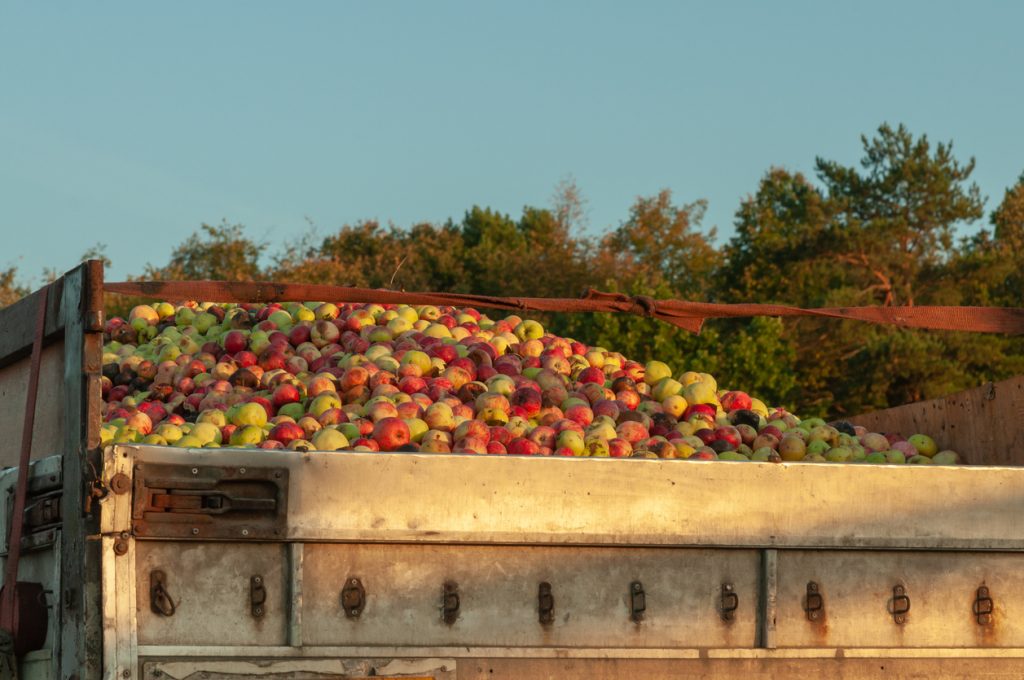
Moving agricultural goods in Nigeria is rarely as simple as loading a truck and driving to the market. Farm produce can lose value quickly when transport arrives late, packaging is poor or the vehicle is unsuitable for the cargo.
Reliable agriculture logistics in Nigeria connects farms, storage facilities, processors, wholesalers and retailers. It covers the movement of fresh produce, grains, livestock feed, fertiliser, machinery and other agricultural supplies across local and interstate routes.
For farmers and agribusinesses, proper logistics planning reduces spoilage, prevents unnecessary delays and helps products reach buyers in acceptable condition.
The Journey Often Starts Far From a Major Road
Many farms are located outside city centres, where access roads may be narrow, muddy or difficult for large trucks. During the rainy season, vehicles can become stuck or take longer to reach collection points.
This means the first stage of agricultural transport must be planned carefully. A smaller pickup van may collect produce from the farm and transfer it to a larger truck at a more accessible location.
Before arranging pickup, the logistics provider needs accurate information about:
- The condition of the access road
- The type and quantity of produce
- The required collection time
- Available loading labour
- The destination and delivery deadline
- Whether refrigeration is required
Providing these details early helps prevent a situation where the wrong vehicle arrives and cannot access the farm or carry the full load.
Fresh Produce Cannot Wait Like Regular Cargo
Tomatoes, vegetables, fruits, fish and dairy products require faster handling than packaged household goods. A delay of several hours can reduce quality, particularly when produce is left under direct sunlight.
For example, tomatoes moving from Kano to Lagos must be packed carefully to reduce crushing during the journey. Fresh vegetables collected around Jos may need quick transport to Abuja markets before heat and moisture begin to affect their appearance.
Where temperature control is required, the cold chain should continue from pickup to storage or final delivery. Refrigerating products only after they have spent hours in a hot vehicle may not prevent spoilage.
Travo.ng can help coordinate cargo transport, scheduled pickups and cold-chain movement for agricultural businesses operating across Nigeria.
How Poor Packaging Creates Expensive Losses
Many agricultural losses happen because produce is packed for convenience rather than protection. Weak sacks may tear during loading, overloaded baskets can crush soft produce, and uncovered goods may be exposed to rain or dust.
Suitable packaging depends on the product being moved. Ventilated crates can help protect tomatoes and vegetables, while properly sealed bags are more appropriate for dried grains.
Agricultural businesses should also avoid mixing damaged produce with healthy items. One leaking or spoiled package can affect other goods during a long journey.
Clear labels are useful when a truck carries products for several customers or destinations. Each package should show the owner, destination, quantity and any special handling instructions.
Planning Interstate Agricultural Deliveries
Interstate agricultural transport requires realistic timing. A vehicle carrying food products from Benue to Lagos may face loading delays, road congestion and checkpoints along the route.
The cheapest transport quotation is not always the best option. Businesses should ask whether the price includes loading, offloading, waiting time, fuel adjustments and delivery to the final address.
A reliable plan should confirm:
- The pickup date and loading window
- The vehicle type and carrying capacity
- The expected travel time
- The driver’s contact details
- The delivery location and receiving person
- What happens if the vehicle breaks down
These details are especially important when goods are being supplied to supermarkets, hotels, restaurants or food-processing facilities with strict receiving schedules.
Farm Supplies Also Need Reliable Transport
Agricultural logistics is not limited to moving harvested crops. Farms also need fertiliser, seedlings, animal feed, irrigation equipment, spare parts and machinery delivered on time.
A delayed supply of feed can affect livestock operations, while late delivery of fertiliser may disrupt planting plans. Heavy farm equipment may require specialised vehicles and proper loading support to prevent damage.
Coordinating inbound supplies and outbound produce through one transport plan can reduce empty trips and improve operating efficiency.
Arrange Agriculture Logistics With Travo.ng
Effective agriculture logistics in Nigeria depends on suitable vehicles, proper packaging, realistic schedules and clear communication from pickup to delivery.
Travo.ng supports farmers, distributors, processors and agricultural companies with cargo movement, delivery coordination, vehicle hire, cold-chain transport and storage arrangements across Nigeria.
With practical planning and dependable transport support, agribusinesses can reduce losses, protect product quality and move farm goods to buyers more confidently.
