


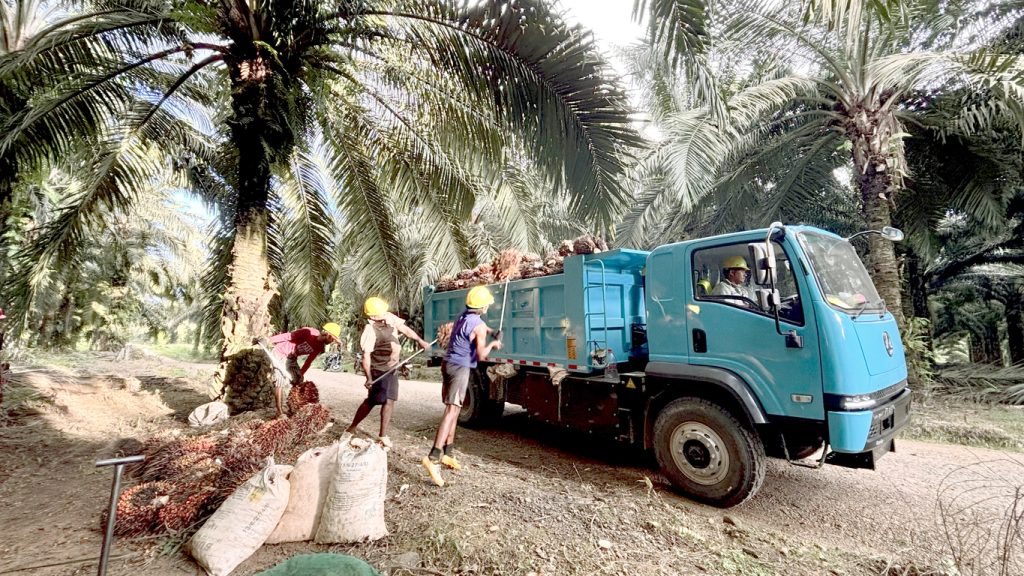
Getting agricultural produce from the farm to the buyer is often more difficult than growing it. Fresh tomatoes may leave Kano in good condition and arrive in Lagos bruised. Vegetables harvested near Jos can lose freshness while waiting for a vehicle, while grains may absorb moisture when exposed during loading.
Reliable produce logistics in Nigeria helps farmers, aggregators, wholesalers, supermarkets and food processors move agricultural goods without unnecessary damage or delay. It brings transport, packaging, handling, storage and delivery scheduling together instead of treating each stage as a separate problem.
The aim is not simply to move produce. It is to deliver the right quantity in a condition that buyers can still accept and sell.
The Journey Should Be Planned Before Harvesting Starts
One of the most common mistakes in agricultural logistics is waiting until the produce has been harvested before searching for transport.
This creates pressure, especially with perishable goods. A farmer may accept the first available truck even when it is dirty, poorly ventilated or unsuitable for the load. The produce then remains by the roadside while the driver looks for additional cargo to fill the vehicle.
Before harvesting begins, the logistics plan should confirm:
- The quantity expected
- The collection date and time
- The destination and delivery deadline
- The type of vehicle required
- The packaging and loading method
- Whether temporary or cold storage is needed
- Who will receive and inspect the goods
Early planning reduces waiting time and helps everyone involved prepare for the movement.
Different Produce Requires Different Vehicles
A vehicle that works for bagged rice may not be suitable for fresh peppers or leafy vegetables. Dry agricultural goods can often travel in covered trucks, provided they are protected from rain and contamination.
Fresh fruits and vegetables require more careful loading, ventilation and protection from direct heat. Frozen food, dairy products and some processed agricultural products may need refrigerated transport.
Vehicle cleanliness also matters. A truck previously used for chemicals, cement or dirty industrial cargo should not carry food produce without proper cleaning and inspection.
For example, plantain moving from Benin City to Abuja must be stacked carefully to prevent pressure damage. Tomatoes from Kano need strong, ventilated crates rather than overloaded baskets that crush the lower layers during a long road journey.
Delays Can Cost More Than the Transport Fare
When comparing logistics quotations, many customers focus only on the vehicle price. However, a cheaper truck that arrives late can cause greater losses than a properly scheduled vehicle with a slightly higher rate.
Produce may lose weight, freshness and market value during unnecessary delays. Buyers may also reject deliveries that arrive after an agreed market, production or retail schedule.
Traffic around Lagos, road conditions on interstate routes, loading delays and security concerns can all affect arrival times. A practical operator should build realistic time allowances into the journey instead of promising impossible same-day delivery.
Clear updates are also important. Farmers and buyers should know when the vehicle has departed, where delays occur and when the consignment is expected to arrive.
Packaging Prevents Avoidable Damage
Good packaging is part of produce transportation, not an extra step. Weak sacks, overfilled baskets and poorly arranged cartons often cause losses before the vehicle reaches its destination.
Suitable packaging may include:
- Ventilated plastic crates for tomatoes and peppers
- Strong cartons for selected fruits
- Clean sacks for properly dried grains
- Food-grade containers for processed goods
- Pallets for organised warehouse handling
Packages should not be filled beyond their safe capacity. Heavy items should also not be placed on delicate produce simply to maximise vehicle space.
Clear labelling can identify the owner, product type, quantity, destination and handling instructions, particularly when one vehicle carries goods for several customers.
Storage and Delivery Must Work Together
Transporting produce quickly is not enough if there is nowhere suitable to receive it. A truck may arrive at a Lagos market or food-processing facility and remain parked for hours because the receiving team is not ready.
For temperature-sensitive goods, that delay can break the cold chain. For grains, exposure to rain during offloading may create moisture problems later.
Storage space, labour and receiving documents should therefore be confirmed before dispatch. Businesses using warehouses or cold rooms should reserve capacity in advance, especially during peak harvest periods.
Arrange Produce Movement Through Travo.ng
Effective produce logistics in Nigeria depends on coordination from farm pickup to final delivery. Appropriate vehicles, careful handling, suitable packaging and realistic scheduling all help protect the value of agricultural goods.
Travo.ng supports farmers, distributors and food businesses with cargo transport, delivery coordination, cold-chain movement and storage arrangements across Nigeria.
By organising these services through one practical logistics process, businesses can reduce spoilage, avoid missed delivery windows and move produce to markets, retailers and processors with greater confidence.
