


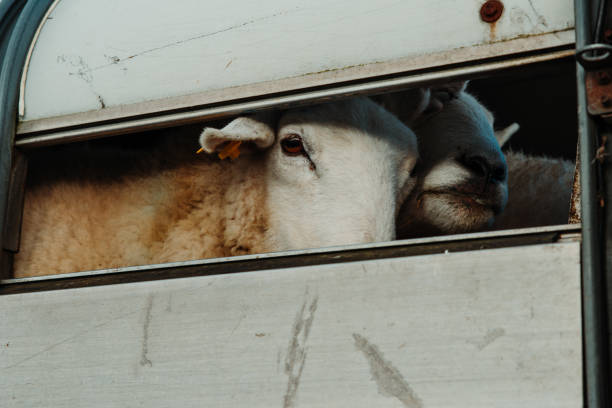
A livestock transport company in Nigeria helps farmers, livestock traders, breeders and agribusinesses move cattle, goats, sheep and other animals between farms, ranches, markets and other destinations. Because livestock are living cargo, transportation requires more than an ordinary delivery truck. Vehicle suitability, loading, ventilation, route planning and animal handling all need to be considered.
For businesses moving animals between Nigerian states, choosing a transport provider that understands livestock logistics can help make the journey more organised.
What a Livestock Transport Company Does
A livestock transport company can coordinate different parts of an animal movement, including vehicle arrangements, collection, loading, road transportation and delivery.
Before the journey, the transporter usually needs information about the type and number of animals, their approximate size, pickup location, destination and preferred travel date. These details help determine the appropriate transportation arrangement.
Cattle Transport Companies in Nigeria
Cattle transportation is common for livestock trading, breeding, farm relocation and movement between ranches and markets.
A suitable livestock vehicle should provide adequate space, ventilation and secure flooring. The number and size of cattle should be confirmed before the truck is assigned to avoid unsuitable loading arrangements.
Goat and Sheep Transportation
Goats and sheep are also transported throughout Nigeria for farming, trading, breeding and market supply.
Although these animals are smaller than cattle, the same basic principle applies: the transportation arrangement should match the number of animals, journey distance and handling requirements.
Interstate Livestock Transport Requirements
Interstate livestock transportation requires attention to veterinary requirements. Nigeria’s Agricultural Quarantine Service states that trade animals are subject to inspection and disease surveillance and should be accompanied by veterinary movement and loading permits at interstate veterinary control posts. (National Agricultural Quarantine Service)
Livestock owners should therefore confirm the required documentation before the animals are loaded. This is particularly important when transporting commercial livestock across multiple states.
Choosing a Livestock Transport Company
Before booking a livestock transport company, consider:
- The type of animals being transported
- Number and approximate size of animals
- Vehicle suitability
- Pickup and delivery locations
- Expected journey duration
- Loading and unloading arrangements
- Veterinary documentation
- Route planning
- Communication during transportation
Providing complete information at the booking stage makes it easier to organise an appropriate journey.
Long-Distance Livestock Transportation
Long-distance livestock transportation can involve significant travel time, traffic and changing road conditions. Routes should therefore be planned with the animals’ welfare and the expected journey duration in mind.
Transporters should also prepare for possible delays rather than assuming that a journey will always follow the estimated schedule.
Livestock Transport for Farms and Traders
Commercial farmers may need regular transportation when moving animals between farms, while livestock traders may require trucks when buying animals from distant markets.
Breeding businesses can also need transportation when moving animals between breeding facilities. For these customers, having a logistics provider that can coordinate recurring movements can simplify operations.
Common Livestock Transportation Problems
Poor vehicle selection, overcrowding, inadequate planning, incomplete documentation and unexpected road delays can create problems during livestock transportation.
Another issue is failing to communicate the exact number or size of animals before booking. This can result in a vehicle that does not properly match the consignment.
Planning the transportation requirements before collection helps reduce avoidable complications.
How Travo.ng Can Help With Livestock Transportation
Travo.ng can help coordinate logistics requirements for livestock movements by considering the animal type, quantity, pickup location, destination and preferred travel schedule.
For interstate livestock transportation, early coordination can also help customers prepare the necessary journey information and consider applicable veterinary requirements before departure.
Planning Livestock Transportation in Nigeria
A livestock transport company should be involved before the animals are ready for loading. Confirm the vehicle, route, collection and delivery points, documentation and handling requirements in advance.
For interstate movements, verify the applicable veterinary requirements before departure. Proper preparation helps farmers, traders and agribusinesses organise livestock transportation more efficiently and reduce avoidable delays.
