


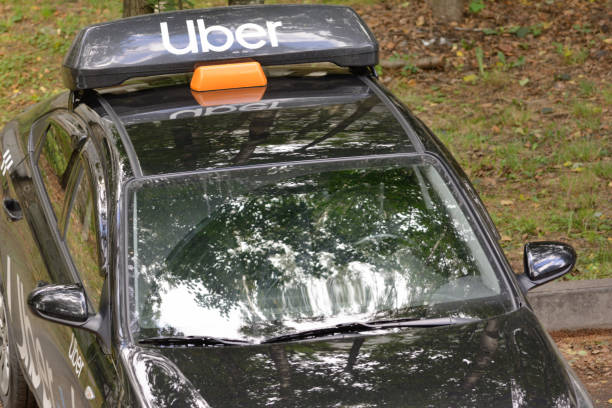
If you are planning to drive for Uber in Lagos or Abuja, knowing the list of cars accepted by Uber Nigeria 2025 can save you from buying or leasing a vehicle that later fails inspection.
The important thing to understand is that Uber does not approve a car based on the model name alone. The year, condition, seating capacity, documentation and city of operation can also affect eligibility. Uber’s published Nigeria requirements state that vehicles should generally be model year 2000 or newer, have four doors, be in good condition and meet additional UberX requirements such as working air conditioning and seating for at least four passengers besides the driver.
Cars Commonly Suitable for Uber Nigeria
For drivers looking at affordable sedans, these are examples of models commonly considered for ride-hailing work in Nigeria, subject to Uber’s current approval:
- Toyota Corolla
- Toyota Camry
- Toyota Yaris
- Honda Accord
- Honda Civic
- Honda City
- Hyundai Accent
- Hyundai Elantra
- Hyundai Sonata
- Kia Rio
- Kia Cerato
- Kia Optima
- Nissan Almera
- Nissan Sentra
- Ford Focus
- Volkswagen Jetta
- Suzuki Dzire
- Suzuki S-Presso
This should not be treated as a permanent official approval list. Uber changes vehicle eligibility requirements, and approval can differ between cities or ride categories. Always confirm the exact model and year before paying for a vehicle.
What Uber Checks Beyond the Car Model
A clean Toyota Corolla may look like an obvious Uber vehicle, but documentation and condition still matter.
For UberX in Nigeria, the vehicle should be a four-door sedan capable of carrying at least four passengers plus the driver. Windows and air conditioning need to work properly. Full-sized vans, trucks, marked taxis, government vehicles and salvaged or rebuilt cars are not accepted under Uber’s published UberX requirements.
Drivers may also need documents including:
- Vehicle inspection report
- Valid vehicle insurance
- Roadworthiness certificate
- Hackney permit
This is why buying a cheap vehicle simply because someone else uses the same model for Uber can be risky.
Choosing a Practical Uber Car for Lagos
In Lagos, fuel consumption and maintenance costs deserve almost as much attention as Uber eligibility.
A driver covering Ikeja, Lekki, Victoria Island, Yaba and the airport corridor can spend hours in slow traffic. A fuel-efficient Corolla, Yaris, Accent, Rio or similar compact sedan may therefore make more operational sense than a larger vehicle with higher fuel consumption.
Also consider spare-parts availability. Toyota, Honda, Hyundai and Kia models are widely used in Nigeria, making routine servicing and replacement parts relatively easier to arrange.
If you are buying a used vehicle specifically for ride-hailing, inspect the engine, gearbox, suspension and air-conditioning system before payment. A car that constantly needs repairs can quickly consume the income you expected to make from trips.
Check the Exact Model Year Before Paying
One mistake prospective drivers make is agreeing to buy or lease a car before confirming whether the exact year and specification can operate on their intended Uber service.
Uber itself warns that vehicle eligibility can change and that appearing on an eligible-vehicle list does not override local requirements.
Before committing money, confirm:
- Vehicle make and model
- Manufacturing year
- City where you will operate
- Uber ride category
- Required vehicle documents
- Inspection condition
That simple check can prevent an expensive mistake.
Need a Vehicle Without Buying One?
Not everyone searching for the list of cars accepted by Uber Nigeria 2025 actually needs to purchase a vehicle.
If your immediate requirement is transportation for business trips, airport pickups, corporate movements or daily mobility, Travo.ng can help arrange suitable vehicle hire and transport coordination without the long-term commitment of owning a car.
Travo.ng also supports airport transfers, group transportation and other travel arrangements across Nigeria, giving customers a practical option when reliable movement matters more than vehicle ownership.
