


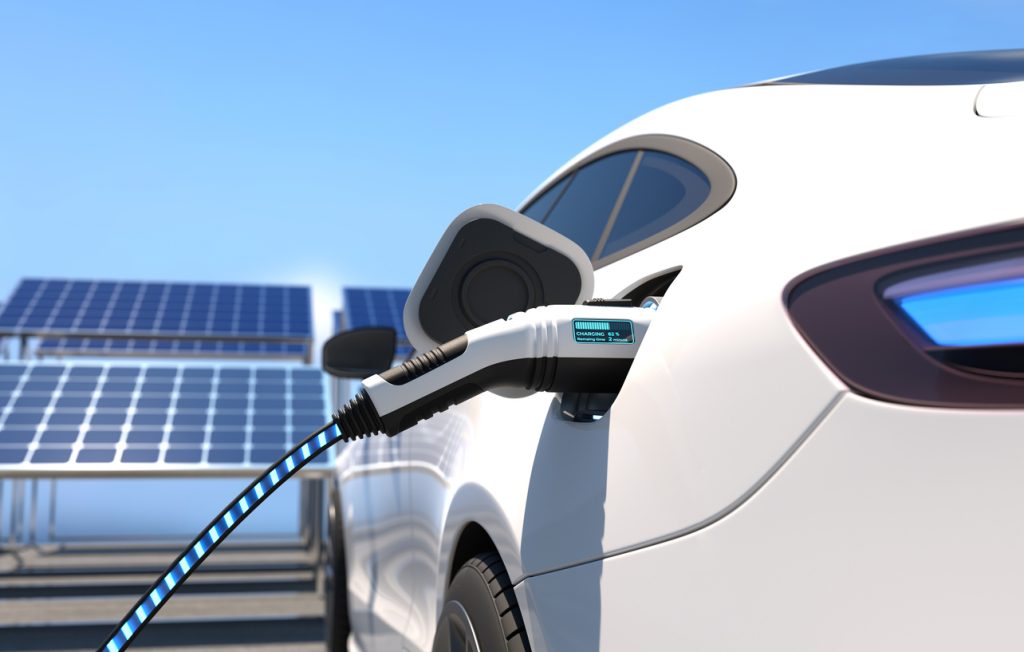
Electric vehicles are gradually becoming more visible on Nigerian roads, but charging infrastructure remains one of the biggest practical limitations for drivers. Anyone planning to install public EV chargers needs to think beyond simply buying charging equipment. Location, available electricity supply, expected vehicle traffic, security and ongoing maintenance all affect whether a charging point will actually be useful.
In cities such as Lagos and Abuja, the most valuable charging locations are usually places where vehicles naturally remain parked for some time. Shopping centres, office complexes, hotels, airports, estates, supermarkets and transport hubs can all provide realistic opportunities.
Travo.ng can support businesses and property operators with the logistics, transport coordination and equipment movement required when developing EV charging locations.
Choose Locations Where Drivers Already Spend Time
A charger hidden inside a low-traffic compound may receive very little use, even if the equipment itself works perfectly.
Before installation, consider how vehicles already move through the area.
For example, a charger around Lekki Phase 1 may serve residents, office workers, ride-hailing drivers and visitors. Chargers around Victoria Island can work well near corporate offices, hotels and commercial properties where cars remain parked for several hours.
Good locations may include:
- Shopping malls and supermarkets
- Hotels and serviced apartments
- Airports and transport terminals
- Office buildings
- Restaurants and leisure centres
- Petrol or energy service stations
- Residential estates with visitor parking
Visibility and easy vehicle access are just as important as electricity availability.
Check the Power Supply Before Installing Equipment
One common mistake is choosing charging equipment before confirming what the site can support.
Public chargers can place significant demand on an electrical system, particularly when several vehicles are charging simultaneously. The property should therefore be assessed by qualified electrical professionals before equipment is ordered.
Businesses should consider grid availability, transformers, backup power and possible integration with solar or battery storage.
For Nigerian locations where grid supply is inconsistent, combining EV charging infrastructure with renewable energy or energy storage may provide better operating reliability than depending entirely on public electricity.
Decide Between Faster Charging and Longer Parking
Not every location needs the fastest available charger.
A hotel where vehicles remain overnight has different charging requirements from a busy roadside charging station.
AC chargers may work effectively for offices, hotels, estates and shopping centres where drivers can leave their vehicles for several hours. Faster DC charging is more suitable for locations where motorists expect shorter stops before continuing their journey.
Higher-capacity equipment normally requires stronger electrical infrastructure and greater investment, so charger selection should match actual customer behaviour rather than simply choosing the largest system available.
Plan Equipment Delivery and Installation Logistics Properly
Businesses planning to install public EV chargers may need charging units, mounting equipment, cables, electrical components, protective barriers and supporting infrastructure delivered to the site.
Large charging units can also require careful handling during transportation.
This is where logistics planning becomes important. Travo.ng can help coordinate equipment transportation, cargo movement and delivery scheduling to project locations in Lagos, Abuja and other Nigerian cities.
Deliveries should ideally be scheduled around installation teams so valuable equipment is not left unattended at unfinished sites.
Make the Charging Area Easy and Safe to Use
Drivers should immediately understand where to park and how to access the charger.
A practical charging station should have clearly marked bays, sufficient lighting, safe cable positioning and protection against accidental vehicle impact.
For commercial locations, operators should also decide how drivers will pay. Options could include prepaid access, digital payments, membership arrangements or charging fees calculated according to electricity consumption or charging time.
Security matters too. Chargers installed in open public areas should be positioned where property security teams or surveillance systems can monitor them.
Public Charging Can Support Nigeria’s Growing EV Network
Nigeria does not need thousands of chargers in one location. A more useful approach is developing reliable charging points along places people already travel, work, shop and stay.
Hotels can provide destination charging. Commercial centres can serve customers while they shop. Corporate facilities can support staff vehicles, while strategically positioned fast chargers can eventually help drivers travel longer intercity routes.
Businesses looking to install public EV chargers should therefore treat charging infrastructure as an operational project rather than simply an equipment purchase.
With proper site assessment, power planning, equipment transportation and installation coordination, public charging can become a practical service for Nigeria’s emerging electric mobility market. Travo.ng can support the logistics and transport requirements behind these projects, helping businesses move charging equipment and coordinate deliveries efficiently across Nigeria.
