


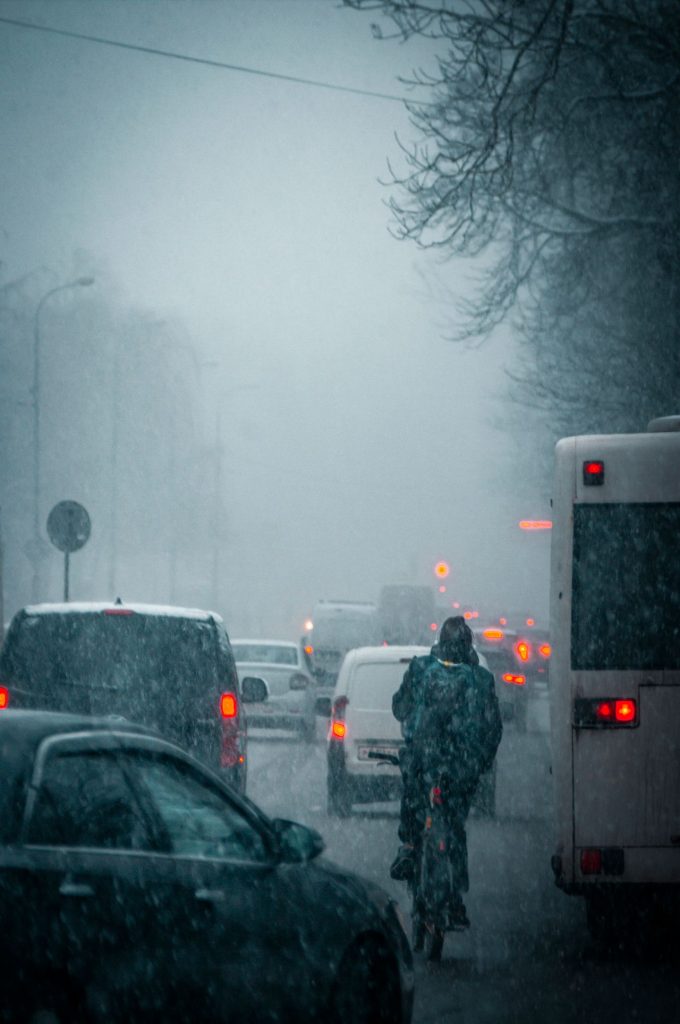
Heavy rainfall can change movement across Lagos within minutes. A journey that usually takes 30 minutes may stretch into two hours when flooded roads, broken-down vehicles and traffic diversions affect major routes.
Finding dependable transport during heavy rain Lagos requires more planning than simply requesting a vehicle and expecting it to arrive immediately. Passengers, businesses and delivery teams need to consider road conditions, pickup access, vehicle suitability and realistic travel time.
Whether you are heading to the airport, arranging staff movement or sending goods across the city, early coordination reduces the risk of being stranded.
Routes That Commonly Become Difficult After Rainfall
Some Lagos roads remain passable during moderate rain but become slow or partially flooded after a heavy downpour. Conditions can also vary from one street to another.
Areas around Lekki, Ajah, Victoria Island, Ikoyi, Apapa, Surulere and parts of the Lagos mainland may experience serious delays when drainage channels overflow. Traffic also builds quickly around major connecting points such as Third Mainland Bridge, Eko Bridge, Lekki-Epe Expressway and the Oshodi corridor.
A driver travelling from Ikeja to Lekki may need to avoid a flooded inner road and remain on a longer main route. This increases fuel use, travel time and sometimes the final transport cost.
Before leaving, confirm:
- Whether the pickup street is accessible
- If the driver has checked current road conditions
- Whether an alternative pickup point is safer
- How much extra travel time should be allowed
- Whether the destination has a sheltered drop-off area
Do Not Wait Until the Rain Is at Its Heaviest
Transport requests increase sharply when heavy rain starts, especially during morning and evening rush hours. Many drivers avoid flooded neighbourhoods, while others become trapped in traffic after completing earlier trips.
Airport passengers should book well before departure time. Someone travelling from Lekki to Murtala Muhammed International Airport may need to leave several hours earlier than usual when rain is forecast.
The same applies to employees heading to meetings, parents arranging school pickups and businesses moving urgent documents or parcels. Waiting until the last minute reduces the number of available vehicles and makes delays more likely.
Travo.ng can help coordinate scheduled pickups, airport transfers, vehicle hire and other travel arrangements before weather conditions become difficult.
The Right Vehicle Can Make a Major Difference
Not every vehicle is suitable for every route during heavy rain. A low vehicle may struggle on waterlogged roads where an SUV or higher-clearance vehicle can move more safely.
However, a larger vehicle does not make deep floodwater safe. Drivers should not be pressured to enter roads where the water level is unclear, the drainage edge cannot be seen or other vehicles are already stuck.
For group movement, a van may be more practical than booking several separate cars. Businesses transporting equipment or packaged goods should also make sure the vehicle is enclosed and that items are protected from water during loading and unloading.
Vehicle selection should depend on:
- Number of passengers
- Amount of luggage or cargo
- Condition of the pickup road
- Distance of the journey
- Expected flooding along the route
How Businesses Can Keep Deliveries Moving
Heavy rain creates particular problems for courier and delivery operations. Riders may need to slow down, wait for rainfall to reduce or avoid streets with poor drainage.
Businesses should give customers realistic delivery windows instead of promising exact arrival times during severe weather. Waterproof packaging is also important for documents, food items, electronics and retail orders.
For urgent deliveries, customers should provide a reachable phone number and clear landmarks. A rider may be unable to enter a flooded estate but can arrange a safer meeting point nearby.
Travo.ng supports courier deliveries, business logistics and transport coordination across Lagos, helping customers plan around difficult traffic and weather conditions.
What to Do if Your Vehicle Cannot Reach You
If a driver cannot enter your street, agree on a safe alternative pickup point rather than asking them to take unnecessary risks. Choose a visible location on higher ground, such as a petrol station, hotel entrance, supermarket or major junction.
Keep your phone available and share live location details where possible. Passengers should also avoid standing beside open drains or walking through water when the road surface cannot be seen.
Where a journey is not urgent, delaying departure until rainfall reduces may be the safest option.
Book Safer Transport Through Travo.ng
Arranging transport during heavy rain Lagos becomes easier when the journey is planned early and the correct vehicle is selected. Realistic timing, flexible routes and clear communication help drivers and passengers manage difficult road conditions.
Travo.ng helps individuals and businesses arrange airport pickups, vehicle hire, courier deliveries, staff transport and other mobility services across Lagos.
With proper coordination, you can reduce unnecessary delays, protect passengers and goods, and move through the city more confidently when the rain becomes heavy.
