


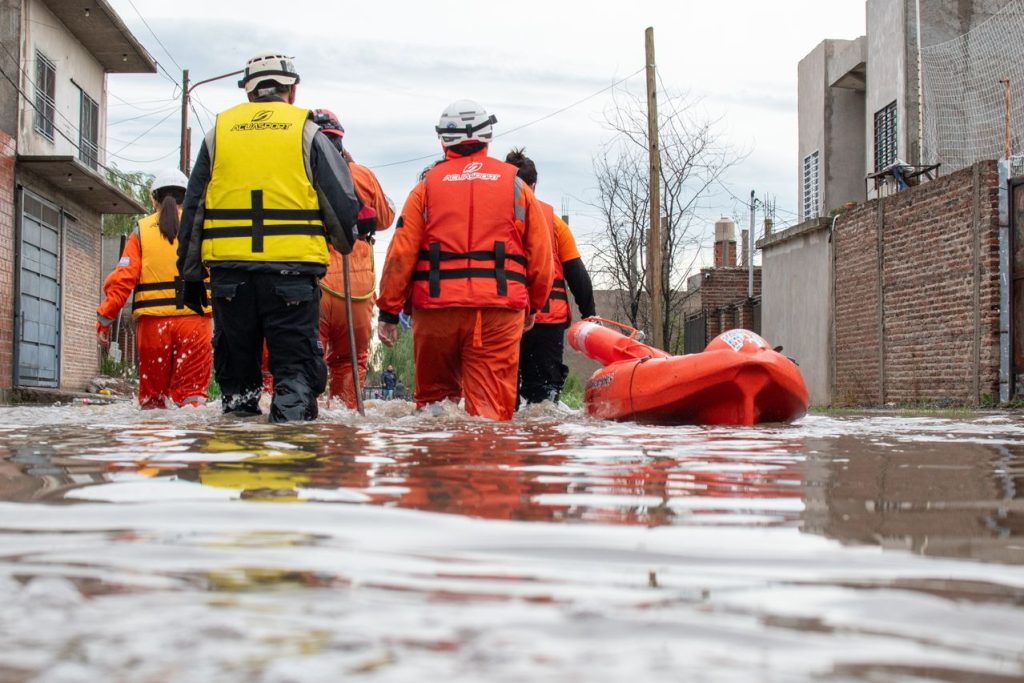
Heavy rain can change movement across Lagos within minutes. A road that was passable in the morning may become flooded by afternoon, while traffic diversions can turn a short journey into several hours on the road.
Arranging transport during Lagos flooding requires more than booking the nearest available vehicle. Passengers, businesses and delivery teams need to consider road depth, vehicle type, alternative routes, pickup timing and the possibility that a driver may not be able to reach the original location.
Good planning does not remove every delay, but it can reduce the risk of cancelled trips, damaged vehicles and passengers becoming stranded.
Routes That Commonly Become Difficult After Heavy Rain
Flooding does not affect every part of Lagos in the same way. Conditions can vary from one street to another, particularly in low-lying areas and places with poor drainage.
Journeys through Lekki, Victoria Island, Ajah, Surulere, Apapa and parts of the Lagos mainland can become difficult after prolonged rainfall. Some access roads around estates and business districts may also flood even when the major expressway remains open.
Drivers should avoid entering water when they cannot judge its depth. A route that appears manageable for an SUV may not be safe for a low saloon car.
Before departure, confirm:
- The exact pickup and destination addresses
- Whether the access roads are currently passable
- The type and height of the vehicle
- Available alternative routes
- Whether the passenger can move to a safer pickup point
- How urgent the journey or delivery is
These details help the transport provider make a more realistic plan.
Booking the Right Vehicle for Flooded Roads
Vehicle choice matters during heavy rainfall. A standard car may work for areas with mild waterlogging, but it should not be sent into deeply flooded streets.
SUVs and higher-clearance vehicles may offer better access, although no vehicle should be treated as completely safe in deep or fast-moving water. Floodwater can hide potholes, open drains and damaged road surfaces.
For group movement, a high-clearance bus may be more suitable than arranging several smaller cars, provided the route has been properly checked.
Businesses moving goods should also consider how items are packed. Documents, electronics, cartons and food products should be placed in waterproof wrapping or raised above the vehicle floor.
Travo.ng can assist with vehicle hire, driver coordination, airport pickups and business transport based on the route and current operating conditions.
Why Pickup Times Need More Flexibility
Normal travel estimates often become unreliable during flooding. A journey from Ikeja to Victoria Island that usually takes one hour may take two or three hours when rain causes congestion around major junctions.
Drivers may also need to take longer routes to avoid flooded underpasses or blocked streets.
Passengers travelling to Murtala Muhammed International Airport should leave significantly earlier than usual. Missing a flight because of flooding is often more expensive than arriving early and waiting at the terminal.
For appointments, staff transport or hotel transfers, allow extra time and keep communication open with the driver. A pickup window is often more practical than insisting on an exact arrival minute during severe weather.
How Businesses Handle Deliveries During Flooding
Same-day delivery becomes harder when dispatch riders and vans cannot use their normal routes. Motorcycles may be unable to cross flooded sections safely, while vans may face long diversions.
Businesses can reduce disruption by:
- Grouping deliveries by area
- Prioritising urgent orders
- Confirming that customers can receive parcels
- Using waterproof packaging
- Adjusting delivery promises early
- Moving pickup points to accessible roads
A customer inside a flooded estate may need to meet the driver at the estate gate or another safe location. Agreeing on this before dispatch prevents the driver from arriving and discovering that the final street is inaccessible.
Mistakes That Put Passengers and Drivers at Risk
One major mistake is pressuring a driver to enter floodwater because another vehicle has crossed. Different vehicles have different ground clearance, engine positions and electrical systems.
Passengers should also avoid changing the destination after the trip begins without checking the new route. A driver may have accepted the booking because the original destination was accessible.
Other mistakes include waiting until the rain becomes severe before booking, providing incomplete addresses and carrying valuable goods without waterproof protection.
Safety should take priority over speed. When a route is clearly dangerous, postponing the trip or changing the pickup point may be the better option.
Arrange Safer Lagos Transport With Travo.ng
Reliable transport during Lagos flooding depends on accurate route information, suitable vehicles and realistic timing. It also requires drivers and passengers to communicate as road conditions change.
Travo.ng helps individuals and businesses arrange airport transfers, private vehicle hire, staff movement, courier deliveries and transport coordination across Lagos. By providing clear pickup details and booking early, customers can receive more practical support during periods of heavy rainfall.
Flooding may cause unavoidable disruption, but organised transport planning can make journeys safer, reduce cancellations and help people and goods reach their destinations with fewer problems.
