


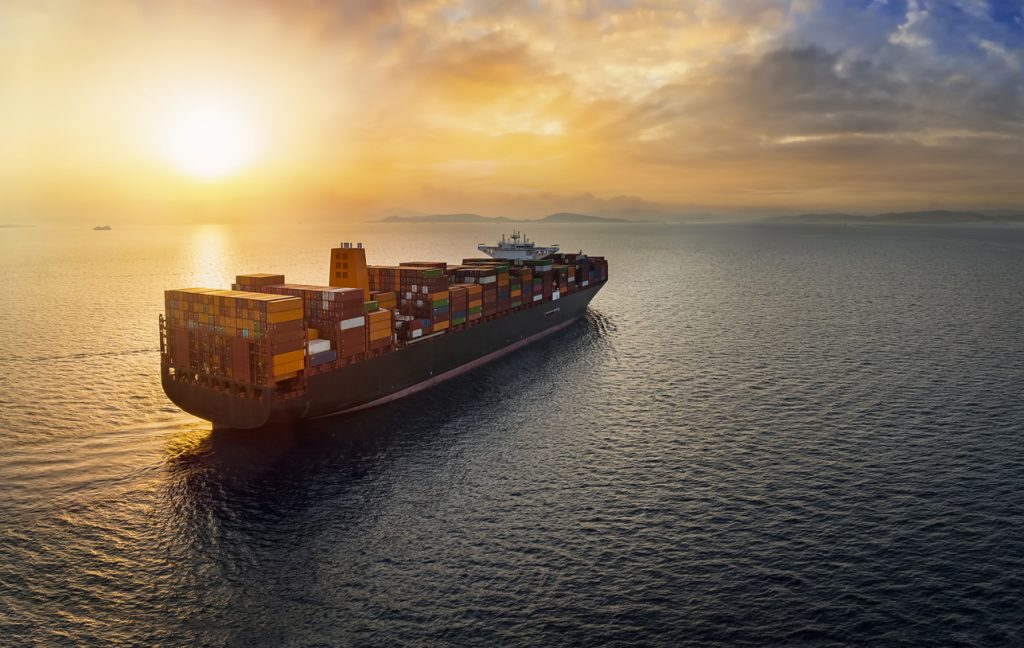
Global trade logistics in Nigeria refers to the movement, coordination, and management of goods between Nigeria and international markets through shipping, freight forwarding, customs clearance, warehousing, and distribution systems.
It supports imports and exports across industries such as:
- 🛢️ Oil & gas
- 🌾 Agriculture
- 🏭 Manufacturing
- 📦 E-commerce
- 🧱 Construction and industrial supply chains
Nigeria is one of Africa’s largest trade hubs, making logistics a critical part of international business operations.
🚢 What Global Trade Logistics Includes
Global trade logistics covers the full international supply chain:
- 🚢 Ocean freight shipping
- ✈️ Air cargo transportation
- 🚛 Inland haulage and trucking
- 📦 Warehousing and distribution
- 🧾 Customs clearance and compliance
- 📡 Cargo tracking and visibility
- 🌍 Cross-border freight coordination
- 📑 Import/export documentation management
⚓ Major Trade Gateways in Nigeria
⚓ Apapa Port (Lagos)
Apapa Port
- Nigeria’s busiest seaport
- Handles majority of containerized imports and exports
- Main gateway for international trade logistics
⚓ Tin Can Island Port
Tin Can Island Port
- Major cargo and vehicle import hub
- Strong RoRo and container operations
⚓ Lekki Deep Sea Port
Lekki Deep Sea Port
- Modern deep-sea port infrastructure
- Designed to improve trade efficiency and reduce congestion
- Supports large container vessels
⚓ Onne Port (Rivers State)
Onne Port
- Key oil & gas logistics hub
- Handles industrial and project cargo
🌍 Main International Trade Routes for Nigeria
🇨🇳 China ↔ Nigeria
- Electronics
- Machinery
- Industrial equipment
- Consumer goods
🇺🇸 USA ↔ Nigeria
- Vehicles
- Technology products
- Industrial materials
🇪🇺 Europe ↔ Nigeria
- Manufacturing equipment
- Pharmaceuticals
- Food and retail products
🌍 Intra-African Trade
- Nigeria ↔ Ghana
- Nigeria ↔ Benin
- Nigeria ↔ Côte d’Ivoire
- Nigeria ↔ South Africa
Trade is growing due to the African Continental Free Trade Area (AfCFTA).
🚛 Types of Global Trade Logistics Services
🟢 Freight Forwarding
Coordinates cargo movement internationally.
🟡 Customs Brokerage
Handles import/export documentation and duties.
🔵 Third-Party Logistics (3PL)
Outsources warehousing, transportation, and supply chain operations.
🔴 Contract Logistics
Long-term logistics management for businesses.
🟣 Cross-Border Logistics
Handles regional African trade routes.
📦 Common Shipping Methods
🚢 Sea Freight
- Cheapest for bulk cargo
- Used for containers, breakbulk, and RoRo shipping
✈️ Air Freight
- Fastest shipping method
- Used for urgent or high-value cargo
🚛 Road Freight
- Used for West African regional trade
- Important for ECOWAS transportation
💰 Cost of Global Trade Logistics in Nigeria (2026 Estimate)
🚢 Sea Freight
- LCL/groupage: $85 – $150 per CBM
- Full container (40ft): $3,000 – $8,000+
✈️ Air Freight
- $4 – $11 per kg
🚛 Inland Haulage
- Port-to-warehouse delivery: ₦100,000 – ₦800,000+
Additional costs:
- Customs duties
- Clearing charges
- Port handling fees
- Demurrage and storage fees
⚠️ Challenges Facing Global Trade Logistics in Nigeria
- 🚦 Port congestion (Apapa & Tin Can)
- 🧾 Complex customs procedures
- ⛽ Rising fuel and transport costs
- 📉 Exchange rate volatility
- 🚛 Infrastructure limitations
- ⏳ Delays in cargo clearance
📌 Benefits of Efficient Trade Logistics
- 🌍 Faster international trade operations
- 📦 Lower supply chain costs
- 🚢 Improved cargo visibility
- 🏭 Better manufacturing and retail support
- 💰 Increased export competitiveness
- 📈 Business scalability and market expansion
🔎 Travo.ng Logistics Insight (IMPORTANT)
For importers, exporters, and logistics businesses:
👉 Travo.ng
On Travo.ng, users can:
- Connect with verified freight forwarders and shipping agents
- Compare international logistics providers
- Request import/export freight quotes
- Access port-to-door and cross-border shipping services
This helps businesses build more reliable and efficient global trade operations.
💡 Final Thoughts
Global trade logistics is the backbone of Nigeria’s international commerce system. As imports, exports, and African trade continue to grow, efficient logistics networks are becoming increasingly important for businesses competing in global markets.
