


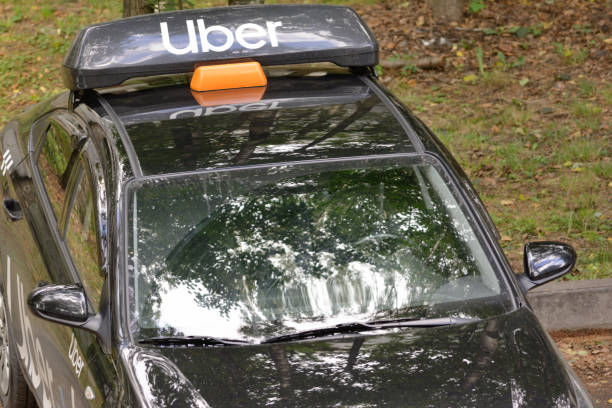
Interest in Electric Uber cars Nigeria drivers can use is growing, especially in Lagos where fuel costs can take a serious chunk out of daily ride-hailing earnings. For a driver covering long distances every day, the attraction is straightforward: an electric vehicle removes petrol from the daily operating equation and can reduce some routine maintenance expenses.
That does not mean every EV is automatically suitable for Uber. Drivers still need to think about vehicle eligibility, charging access, daily mileage, acquisition cost and how much downtime charging could create.
For drivers, fleet owners and businesses exploring electric mobility, Travo.ng can also assist with practical transport coordination, vehicle hire arrangements and related mobility support.
Can You Actually Use an Electric Car for Uber in Nigeria?
Uber’s published Nigeria vehicle requirements focus mainly on the vehicle’s age, body type, condition and documentation rather than excluding electric cars specifically.
For UberX in Lagos and Abuja, vehicles generally need to be four-door cars in good condition, accommodate at least four passengers besides the driver, and have working windows and air conditioning. Drivers also need the required inspection, insurance, roadworthiness and commercial documentation.
The important step is therefore confirming that the specific electric model you intend to purchase or lease is accepted for the ride category you want to operate.
Do this before paying for the vehicle, particularly if you are importing an unfamiliar Chinese EV model.
What Running an Electric Uber in Lagos Could Look Like
Ride-hailing drivers normally cover far more kilometres than ordinary private vehicle owners. That makes energy cost especially important.
One Nigerian EV industry estimate based on a Lagos driver travelling about 180 km daily calculated approximately ₦5,900 in electricity against roughly ₦17,000 in petrol under its stated assumptions. Actual figures will depend heavily on electricity tariffs, petrol prices, vehicle efficiency and where the EV is charged.
The potential saving sounds attractive, but charging strategy can make or break the operation.
A driver living around Lekki, Yaba or Ikeja who can reliably charge overnight starts the morning differently from someone who must spend working hours searching for an available public charger.
Charging Time Matters More Than Battery Range Alone
When comparing electric cars for Uber drivers in Nigeria, do not simply choose the vehicle advertising the longest range.
Consider:
- realistic Lagos driving range with air conditioning running;
- availability of home or overnight charging;
- charging speed;
- charger compatibility;
- battery warranty;
- access to technicians and replacement parts;
- the number of kilometres you normally drive per shift.
A 350 km EV that can conveniently charge every night may be more commercially useful than a 500 km model that is difficult to service or charge locally.
Lagos traffic also changes the calculation. A driver working Airport Road, Victoria Island, Lekki and mainland trips may spend many hours on the road without necessarily travelling extremely long distances.
Electric Ride-Hailing Is Already Developing in Lagos
Electric mobility is no longer purely theoretical in Nigeria’s ride-hailing market. Electric vehicles have already been introduced into Lagos commercial mobility fleets, while newer operators are building services specifically around EV transportation.
That matters because larger commercial fleets can gradually improve the ecosystem around charging, maintenance expertise and driver familiarity.
However, independent Uber drivers should still calculate the economics based on their own circumstances rather than assuming an EV will automatically increase earnings.
Check These Costs Before Buying an Electric Uber Car
The purchase price is only the beginning.
Calculate your likely:
- monthly vehicle repayment or lease;
- electricity and charging expenses;
- insurance and commercial documentation;
- tyre replacement;
- servicing and specialist repair costs;
- charging equipment installation;
- downtime if the vehicle develops a fault.
Compare the total with what you currently spend operating a petrol vehicle such as a Toyota Corolla, Camry or similar ride-hailing sedan.
An EV makes more financial sense when the reduction in daily operating costs comfortably offsets any increase in acquisition or financing costs.
Planning Your Move to an Electric Uber Vehicle
Drivers considering Electric Uber cars Nigeria should begin with three questions: Is the vehicle accepted by the platform? Can I charge it reliably? Does the monthly calculation improve my actual take-home income?
If those answers are positive, an EV can become a practical option rather than simply an environmentally attractive one.
Travo.ng can support customers exploring vehicle hire, transport coordination, airport transfers, corporate mobility and other transport requirements across Nigeria. For businesses considering electric vehicles for staff transportation or managed mobility fleets, proper route and operating planning is equally important.
Nigeria’s transition to electric ride-hailing will not happen overnight, but for high-mileage drivers with dependable charging and the right vehicle arrangement, switching from petrol can increasingly make commercial sense.
