


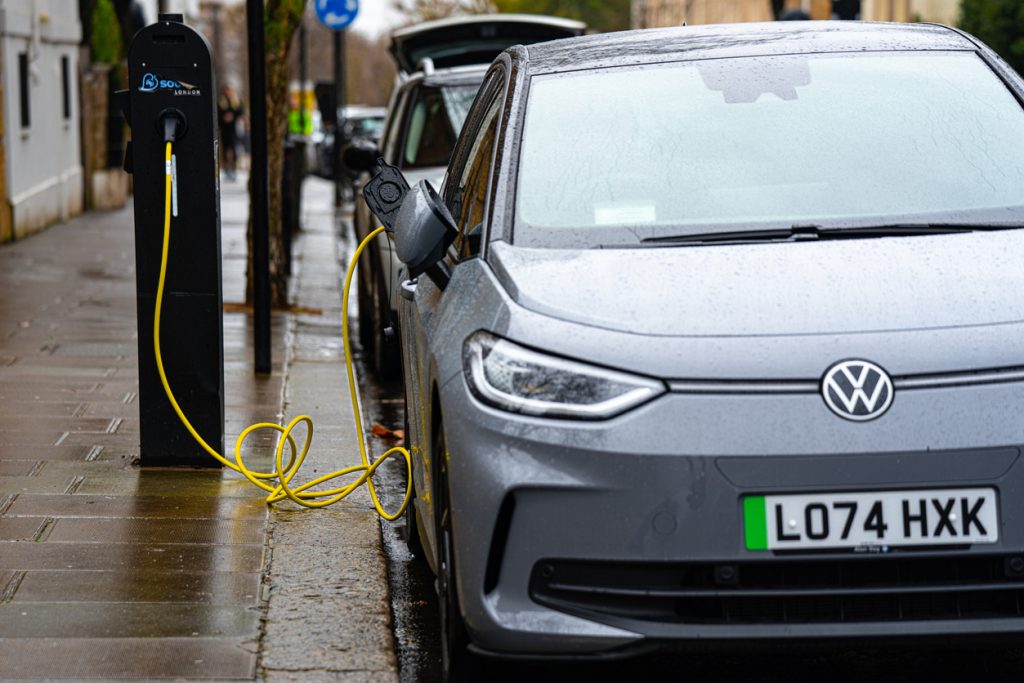
Understanding Electric car customs duty in Nigeria is important before buying a Tesla, BYD, Hyundai Ioniq, Kia EV, or another electric vehicle abroad. The purchase price is only one part of the landed cost. Shipping, Customs valuation, port charges, clearing fees, and the vehicle’s correct tariff classification can significantly affect what you eventually spend.
Nigeria has also introduced tax incentives for electric vehicles, so relying on old vehicle-import calculations can give you an inaccurate estimate.
How Customs Classifies a Fully Electric Car
Nigeria uses the ECOWAS Common External Tariff system for imported goods. Passenger vehicles powered only by an electric motor fall within HS heading 8703.80.
Nigeria Customs’ 2026 Advance Ruling database continues to classify fully built electric passenger vehicles under HS 8703.80.19.00 in relevant cases.
This distinction matters. A battery electric vehicle should not automatically be assessed like a petrol vehicle, hybrid, commercial van, or conventional used car.
Historically, the CET schedule for HS 8703.80.19.00 showed a 20% import duty and a 5% Import Adjustment Tax for certain new fully built electric vehicles. However, Nigeria Customs introduced revised tariff and Import Adjustment Tax schedules under the 2026 Fiscal Policy Measures, so importers should confirm the live assessment applicable when opening Form M or processing their declaration.
Electric Vehicles Currently Have a VAT Advantage
One major difference between EVs and many conventional imports is VAT.
The Federal Government’s VAT Modification Order 2024 expanded Nigeria’s VAT exemptions to include electric vehicles, EV assembly parts and related items. The Federal Ministry of Finance also confirmed electric vehicles among products covered by the exemption.
That means an importer should not simply take a normal vehicle-duty calculator and add 7.5% VAT without checking whether the imported EV qualifies for the exemption.
Correct documentation and HS classification are particularly important when claiming this treatment.
What Actually Determines Your Electric Car Clearance Cost
Customs duty is calculated from the Customs-assessed value rather than simply what someone says they paid for the vehicle.
For example, importing an EV purchased overseas for $25,000 does not mean Customs will automatically calculate every charge from that $25,000 invoice alone.
Factors affecting the final landed cost can include:
- Vehicle make, model and year
- New or used condition
- Correct HS code
- Customs valuation
- Shipping and insurance costs
- Current Customs exchange rate
- Applicable import duty and adjustment taxes
- Terminal and shipping-line charges
- Clearing-agent fees
Nigeria Customs publishes exchange rates used for Customs transactions, meaning naira depreciation can increase clearance costs even when the foreign purchase price of the vehicle has not changed.
Check the Cost Before Shipping the Vehicle
A common mistake is purchasing an electric car in the US, China, Canada or Europe and only asking about Nigerian clearance charges after it reaches Lagos.
Get an estimated landed-cost calculation first.
Ideally, confirm the VIN, purchase invoice, model year, battery-electric configuration and appropriate tariff classification before shipment. This gives you a better idea of whether importing the vehicle is financially sensible compared with buying one already cleared in Nigeria.
For vehicles arriving through Lagos ports, unexpected documentation problems can also create storage and demurrage costs if clearance takes longer than planned.
Travo.ng Can Help Coordinate the Import Process
Travo.ng can support customers who need practical coordination around international vehicle movement, cargo logistics and delivery arrangements in Nigeria.
For anyone researching Electric car customs duty in Nigeria, the safest approach is to calculate beyond the advertised vehicle price. Confirm the latest Customs tariff treatment, EV VAT exemption, shipping cost and clearance expenses before paying the overseas seller.
Doing that gives you a much clearer picture of what the electric car will actually cost by the time it is cleared and ready for use in Nigeria.
