


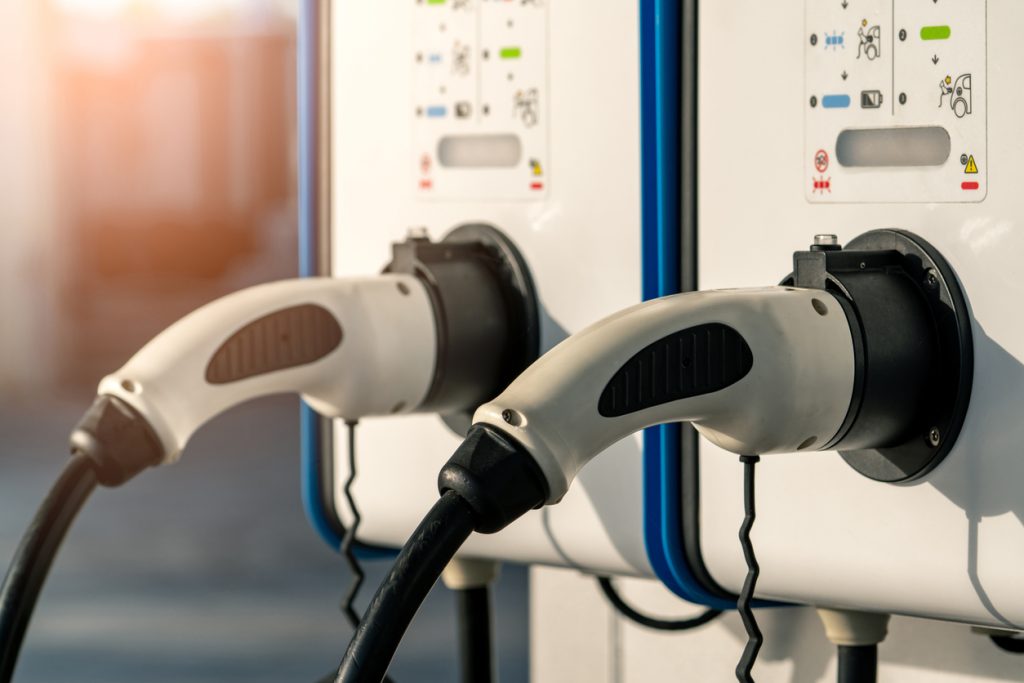
Corporate sustainability EV charging is becoming a practical consideration for Nigerian companies looking to reduce fuel dependence, introduce electric vehicles into their fleets and show measurable progress toward environmental targets.
This is no longer only a conversation for large multinational companies. Businesses running staff vehicles, executive cars, delivery vans and other corporate fleets can start preparing for electric mobility without replacing every petrol or diesel vehicle at once.
Nigeria’s transition is still developing, but the direction is becoming clearer. The Energy Commission of Nigeria commissioned an EV charging station at its Abuja headquarters in 2025, while national energy planning increasingly recognises cleaner and more energy-efficient transport.
For companies, the real question is how to introduce charging infrastructure in a way that actually works with daily operations.
Start With How Your Company Vehicles Are Actually Used
Installing chargers before understanding vehicle movement is an expensive mistake.
A company with ten vehicles operating around Ikeja, Victoria Island and Lekki will have different charging requirements from a logistics business whose vehicles regularly travel between Lagos, Ibadan and Abuja.
Before investing, look at:
- How many kilometres each vehicle covers daily
- Where vehicles spend the night
- How long they remain parked during working hours
- Which vehicles operate predictable routes
- Whether drivers return to a central office or depot
- Available electricity capacity at the premises
Vehicles that return to the same base every evening are usually easier to introduce into an EV programme because charging can happen while they are parked.
Workplace Charging Can Support Corporate Sustainability Targets
For many organisations, installing EV chargers at an office, warehouse, hotel or operational base is more useful than depending entirely on public charging infrastructure.
Companies can create designated charging spaces for corporate vehicles while gradually extending access to employees, visitors or customers.
Corporate sustainability EV charging can support broader environmental programmes by reducing dependence on petrol and diesel for suitable journeys.
It can also give sustainability teams something measurable to track, including electricity consumed for vehicle charging, kilometres travelled electrically and changes in fleet fuel consumption.
Reliable Electricity Has to Be Part of the Plan
Charging infrastructure cannot be separated from Nigeria’s electricity realities.
A charger may be technically suitable for a fleet but operationally frustrating if the site has unstable power or insufficient electrical capacity.
Nigeria’s renewable-energy planning has specifically highlighted decentralised EV charging supported by renewable power such as solar PV as one approach to expanding charging infrastructure.
For a Lagos office or warehouse, for example, the practical setup might combine grid electricity with solar, battery storage or another backup arrangement.
The correct configuration depends on how many vehicles must be charged and how quickly they need to return to service.
Don’t Electrify Every Company Vehicle at Once
A phased approach usually makes more operational sense.
A business with 25 vehicles could begin with three or four EVs assigned to predictable urban journeys. Performance can then be monitored before additional vehicles and chargers are introduced.
Good pilot vehicles might include those used for:
- Staff movement within Lagos
- Airport pickup operations
- Executive transportation
- Regular office-to-client trips
- Short-distance corporate deliveries
Long-distance vehicles covering unpredictable interstate routes may require a different strategy until sufficient charging options exist along their routes.
Connect EV Charging With Your Wider Transport Strategy
Sustainable transport is more than installing a charger in the company car park.
Businesses should also examine vehicle utilisation, route planning, driver scheduling and unnecessary journeys.
Travo.ng can support companies with transport coordination, vehicle hire, business logistics and mobility planning alongside changing fleet requirements.
For example, a company transitioning some Lagos operations to EVs may still require conventional vehicle hire for Abuja trips, airport transfers, group transportation or journeys where charging availability makes an electric vehicle impractical.
Build Charging Infrastructure Around Real Operations
Corporate sustainability EV charging works best when it solves an operational problem rather than simply satisfying an environmental checklist.
Start with vehicles that have predictable routes, identify where they naturally spend several hours parked, assess the site’s electricity supply and introduce charging capacity gradually.
That creates a more realistic pathway for Nigerian businesses to reduce transport emissions without compromising staff movement, deliveries or everyday operations.
As electric mobility develops across Nigeria, companies that prepare their sites, fleets and transport plans early will be better positioned to expand when EV adoption and charging availability increase.
