


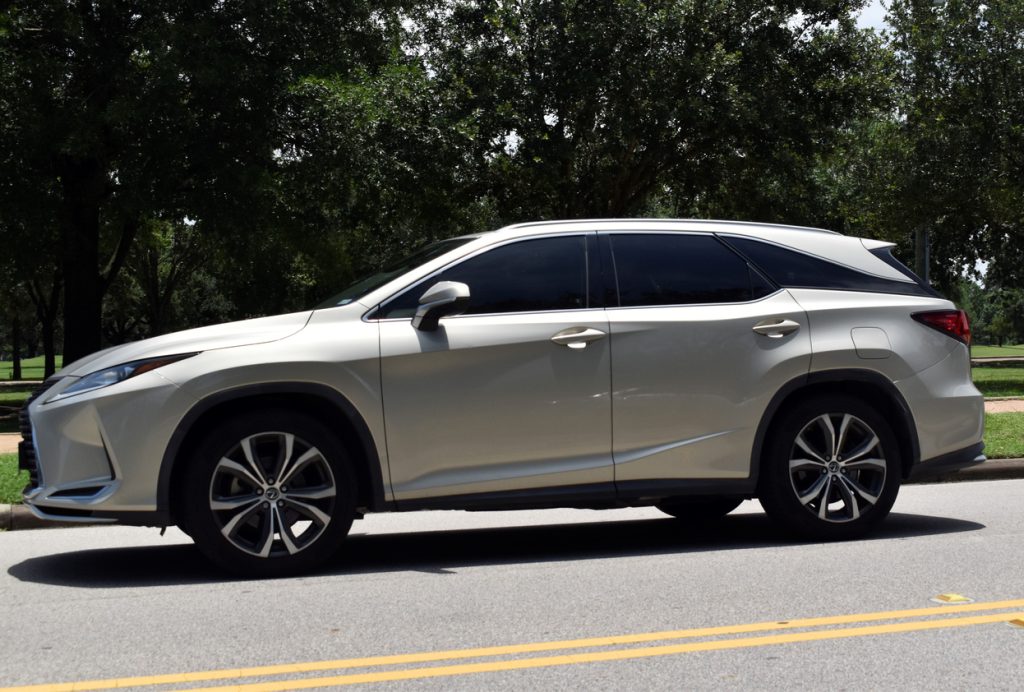
The BYD Atto 3 Nigeria market is attracting attention as more drivers and businesses consider electric vehicles as an alternative to petrol-powered cars. With fuel costs remaining a major part of everyday transport expenses, an EV can look attractive, particularly for people whose driving is concentrated within Lagos, Abuja or another major city.
But buying an electric vehicle in Nigeria involves more than choosing a model and paying for it. Charging access, electricity supply, vehicle movement and after-sales support all need to be considered. For anyone looking at the BYD Atto 3, understanding these practical issues before committing can prevent expensive surprises later.
What the BYD Atto 3 Is Like for Nigerian Driving
The Atto 3 is a compact electric SUV from Chinese manufacturer BYD. Its SUV body style makes it suitable for buyers who want more space than a small city EV without moving into a very large vehicle.
For Nigerian motorists, the bigger question is how an EV fits their normal movement.
Someone commuting between Lekki and Victoria Island has very different requirements from a driver regularly travelling Lagos to Ibadan or Abuja to Kaduna. Urban driving makes it easier to plan charging around a home, office or commercial charging point.
Long-distance journeys require more preparation because charging availability cannot yet be treated like petrol stations, where drivers can simply stop almost anywhere along a major route.
Charging Should Be Planned Before Buying
Before purchasing a BYD Atto 3 in Nigeria, determine where the vehicle will normally charge.
Home charging can be convenient, but the electrical installation should be assessed properly. The property needs suitable wiring, protection equipment and dependable power. Where grid electricity is unreliable, some owners may consider solar, inverter or other backup arrangements as part of their charging setup.
Apartment residents face another issue. Installing a private charger may require approval from the landlord, estate management or facility manager.
These details are easier to resolve before the vehicle arrives than after delivery.
Moving an EV Between Nigerian Cities Needs Planning
A newly purchased or imported electric vehicle may need to be transported from a port, dealer, warehouse or clearing location to its final destination.
For example, a buyer based in Abuja could receive a vehicle through Lagos. Driving it immediately from Lagos to Abuja is not always the most practical first journey, especially when the owner has not established reliable charging stops.
Vehicle transport can be arranged instead.
Travo.ng can support transport coordination and vehicle movement requirements, helping customers plan how vehicles are moved between locations without turning the first day of ownership into an unnecessary interstate charging experiment.
Check Your Daily Mileage Rather Than Advertised Range Alone
EV buyers often focus heavily on maximum driving range. In practice, daily usage matters more.
Consider:
- Your normal daily kilometres
- Lagos or Abuja traffic conditions
- Whether charging is available at home
- How frequently you travel interstate
- Whether your workplace provides charging
- Your electricity and backup-power situation
A driver covering mainly Ikeja, Maryland and Victoria Island may find EV planning straightforward. A sales representative travelling across several states every week has a completely different operating pattern.
Traffic, air-conditioning use, driving speed and other conditions can also influence real-world energy consumption.
BYD Atto 3 Nigeria Buyers Should Consider Support Beyond Purchase
Price is only one part of EV ownership. Ask about warranty coverage, replacement parts, qualified technicians, battery support and diagnostic services before making payment.
This is particularly important with newer vehicle technologies. A conventional mechanic who handles petrol SUVs may not have the equipment or training required to diagnose an electric drivetrain or high-voltage battery system.
Insurance should also be discussed specifically for the vehicle rather than assuming ordinary vehicle cover will address every EV-related situation.
Planning Transport Around Your New EV
Owning an electric vehicle does not mean every journey has to be made with it.
There may still be occasions when airport pickup, chauffeur-driven transport or vehicle hire is more practical. A BYD owner arriving at Murtala Muhammed International Airport, for example, may prefer an arranged pickup rather than leaving a personal vehicle parked at the airport for an extended trip.
Travo.ng provides airport pickup, vehicle hire and transport coordination services that can complement personal mobility. Businesses introducing EVs into company fleets can also use logistics and transport support when vehicles need to be repositioned.
The BYD Atto 3 Nigeria conversation is ultimately about more than switching from petrol to electricity. Buyers should think about charging, daily routes, interstate travel and vehicle support as one system. When those practical arrangements are made early, transitioning to an electric vehicle becomes considerably easier to manage.
