


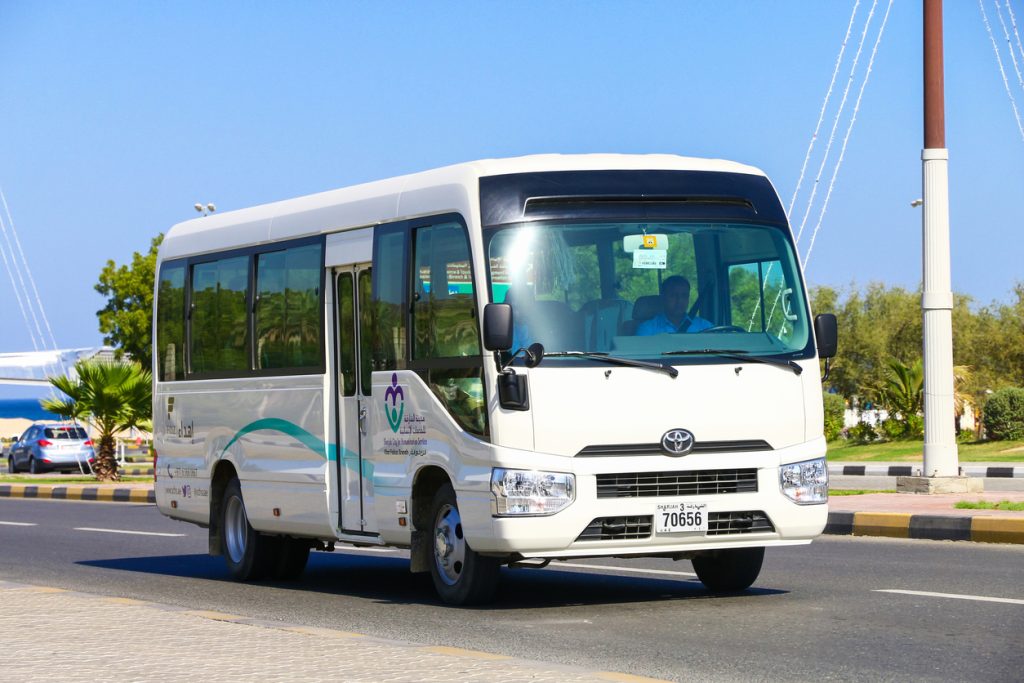
Getting employees to work safely and on time is a daily operational challenge for many Nigerian businesses. Traffic congestion, unreliable public transport, rising transport costs and long commuting distances can affect punctuality, staff productivity and employee wellbeing.
A properly organised workplace transport Nigeria service helps companies move employees between agreed pickup points and their offices, factories, warehouses or project sites. Instead of leaving every worker to find transport independently, employers can coordinate staff buses, hired vehicles and dedicated drivers around their work schedules.
What a Practical Staff Transport Arrangement Looks Like
Workplace transportation is not simply about hiring a bus every morning. The service must be planned around where employees live, when shifts begin and which routes are realistic.
A company in Victoria Island may arrange pickup points in Ajah, Yaba, Surulere and Ikeja. A factory in Agbara may operate staff buses from Mile 2, Badagry and nearby communities. Businesses with night shifts may also require separate vehicles because regular public transport becomes less available after working hours.
A dependable arrangement should cover:
- Clearly identified pickup and drop-off points
- Realistic departure times based on traffic conditions
- Vehicles suitable for the number of passengers
- Backup plans for breakdowns or driver emergencies
- Regular communication with employees and transport coordinators
- Separate schedules for morning, evening and night shifts
Planning these details reduces delays and prevents overcrowding.
Choosing Routes That Employees Can Actually Use
One common mistake is creating too many door-to-door pickup arrangements. This increases journey time, fuel consumption and operating costs.
Central pickup points usually work better. Employees can meet at recognised locations such as major bus stops, estates, shopping centres or filling stations. These locations should be safe, accessible and easy for drivers to identify.
In Lagos, route planning must account for congestion around places such as Lekki Toll Gate, Third Mainland Bridge, Oshodi, Apapa and the Lagos–Ibadan Expressway. In Abuja, staff movement may involve routes connecting Kubwa, Gwarinpa, Lugbe, Wuse and the Central Business District.
The best route is not always the shortest on a map. It is the route that remains reasonably predictable during peak commuting periods.
Matching the Vehicle to Your Workforce
Vehicle selection depends on passenger numbers, distance and road conditions.
Small teams may use sedans, SUVs or seven-seater vehicles. Medium-sized groups often need minibuses, while larger companies may require high-capacity staff buses or several vehicles operating on different routes.
Before booking, confirm:
- The expected number of employees on each route
- Whether staff members will carry equipment or work materials
- The condition of roads leading to pickup points
- Whether air conditioning is required
- The number of daily trips
- Whether weekend or shift transportation is needed
Using a vehicle that is too small creates discomfort and safety concerns. Hiring one that is unnecessarily large increases the cost per trip.
How Businesses Control Workplace Transport Costs
The cost of workplace transportation is usually influenced by vehicle type, route distance, number of trips, operating days, fuel use and waiting time.
Companies can manage expenses by combining employees travelling from nearby areas, reducing unnecessary stops and reviewing passenger numbers regularly. Some businesses also contribute part of the transport cost while employees pay a small monthly amount.
It is important to request a clear quotation showing what is included. Ask whether the price covers fuel, driver payment, vehicle maintenance, toll charges, insurance and replacement vehicles during breakdowns.
The cheapest quotation may become expensive if the vehicle arrives late frequently or breaks down during staff movement.
When Dedicated Workplace Transport Becomes Necessary
Staff transport is particularly useful for factories, hotels, hospitals, warehouses, construction companies and businesses with early or late shifts.
It may also be required when:
- The office is far from major public transport routes
- Employees regularly resume before 6 a.m.
- Workers close after public transport becomes limited
- A company is moving to a new office location
- Project teams must travel to temporary sites
- Visiting staff need airport pickup and office transfers
Reliable transport can improve attendance while reducing the stress employees experience before and after work.
Arranging Workplace Transport Nigeria Services With Travo.ng
Travo.ng helps businesses coordinate workplace transportation based on staff numbers, routes, pickup locations and work schedules. Companies can arrange suitable vehicles, professional drivers, staff buses, airport pickups and transport support for meetings, corporate events or project assignments.
The process should begin with a simple movement plan showing employee locations, preferred pickup points, resumption times and closing schedules. This information makes it easier to recommend practical routes and the right vehicle capacity.
For businesses looking for dependable workplace transport Nigeria services, Travo.ng provides locally informed transport coordination designed around real commuting conditions. Companies can schedule employee pickups, arrange regular staff movement and request transport support that fits their daily operations.
