


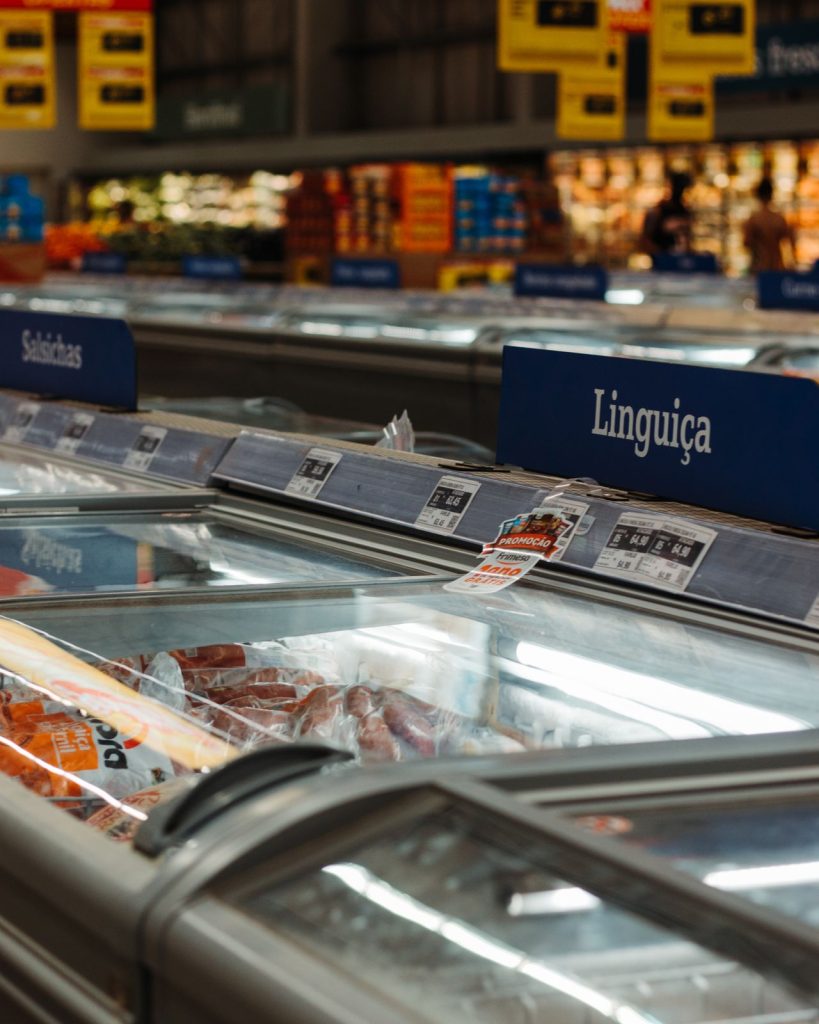
Moving frozen food, vaccines, dairy products or temperature-sensitive chemicals across Nigeria is not the same as transporting ordinary cargo. A standard delivery van may get the goods to their destination, but it cannot guarantee that they will arrive in usable condition.
This is why businesses use temperature controlled transport in Nigeria for products that must remain within a specific temperature range throughout the journey. The vehicle, loading process, route plan and delivery timing must all work together to protect the cargo.
For restaurants, supermarkets, pharmaceutical distributors, farms and food processors, one temperature failure can result in rejected stock, financial loss and damaged customer trust.
The Vehicle Must Match the Product Being Moved
Not every refrigerated vehicle is suitable for every type of cargo. Frozen chicken may require a much lower temperature than fresh vegetables, dairy products or certain medicines.
Before arranging transport, the logistics provider needs to know:
- The type and quantity of goods
- Required temperature range
- Pickup and delivery locations
- Expected journey duration
- Packaging method
- Loading and unloading requirements
A small refrigerated van may be suitable for cartons of yoghurt moving from Ikeja to Victoria Island. A larger reefer truck may be needed for frozen food travelling from Lagos to Abuja, Port Harcourt or Kano.
Booking the wrong vehicle can lead to poor temperature circulation, wasted space or unnecessary transport costs.
Loading Delays Can Damage Sensitive Goods
Many cold-chain problems begin before the vehicle leaves the pickup location. Products may be left outside a cold room while staff count cartons, complete paperwork or wait for the driver to arrive.
During hot afternoons in Lagos, Abuja or Port Harcourt, even a short delay can affect sensitive products. The cargo should be prepared before the refrigerated vehicle arrives, and loading should begin only after the storage compartment reaches the required temperature.
Where possible, businesses should:
- Confirm the vehicle’s arrival time.
- Prepare documentation in advance.
- Keep products in cold storage until loading.
- Load quickly without blocking airflow.
- Record the departure temperature.
Good coordination at the pickup point reduces the time the vehicle remains open and helps maintain stable conditions.
Nigerian Traffic Must Be Included in the Route Plan
Temperature-controlled delivery schedules should not be based only on distance. Traffic, road conditions and loading restrictions can significantly extend travel time.
A cold van travelling from Isolo to Lekki may spend several hours in traffic around Oshodi, Third Mainland Bridge or Victoria Island. Interstate trips can also face delays around Lagos exits, Lokoja, Benin City or major market areas.
The transport plan should include enough fuel for the refrigeration unit, realistic delivery windows and backup arrangements for mechanical problems.
For long-distance deliveries, businesses should avoid giving customers an arrival time that assumes uninterrupted movement. A practical schedule protects the goods and reduces pressure on the driver to speed.
What Affects Refrigerated Transport Pricing
The cost of temperature controlled transport in Nigeria depends on more than the distance between pickup and delivery points.
Pricing is usually affected by:
- Vehicle size and refrigeration capacity
- Required temperature range
- Cargo weight and volume
- Delivery distance
- Number of stops
- Waiting time at pickup or destination
- Overnight or weekend movement
- Loading assistance and special handling
A local delivery within Lagos will generally cost less than an interstate cold-chain movement. However, choosing the cheapest available vehicle without confirming its cooling performance may expose the business to a much larger loss.
A proper quotation should clearly state what the price covers, including waiting time, additional stops and return journeys.
Temperature Records Help Resolve Delivery Disputes
When a customer claims that frozen or chilled goods arrived warm, verbal assurances are rarely enough. Temperature records can show whether the cargo remained within the required range during transit.
Businesses handling pharmaceuticals, food products and other regulated goods should request trip reports or temperature logs where available. The receiving team should also inspect the cargo immediately and record its condition before signing the delivery note.
This creates accountability for the sender, transporter and receiver.
Arrange Cold-Chain Transport Through Travo.ng
Reliable temperature controlled transport in Nigeria requires suitable vehicles, careful loading, realistic route planning and clear communication throughout the journey.
Travo.ng helps businesses coordinate refrigerated transport, cargo logistics, delivery services and other specialised movements across Nigeria. Whether the requirement involves frozen food, fresh produce, pharmaceuticals or temperature-sensitive commercial goods, the service can be planned around the product, route and delivery timeline.
With proper cold-chain coordination, businesses can reduce spoilage, meet customer expectations and move sensitive goods with greater confidence.
