


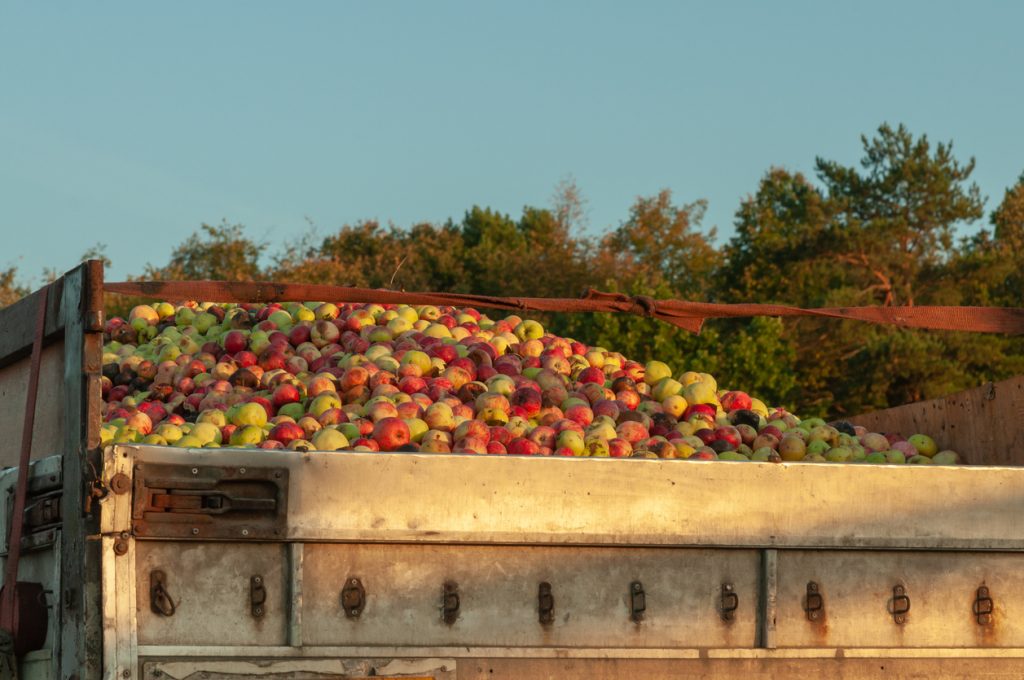
Moving fresh food, frozen products, medicines or agricultural produce across Nigeria requires more planning than ordinary cargo delivery. A vehicle may complete the journey on time, but the goods can still arrive damaged if the temperature changes, loading takes too long or the packaging is unsuitable.
Reliable perishable transport Nigeria services help farmers, supermarkets, restaurants, pharmacies and food distributors move temperature-sensitive products while protecting their quality. The process involves more than hiring a van. It requires the right vehicle, careful handling, realistic scheduling and proper coordination from pickup to delivery.
What Can Be Moved With Perishable Transport
Perishable transport is suitable for products that may spoil, melt, lose freshness or become unsafe when exposed to unsuitable conditions.
Common items include:
- Fresh vegetables and fruits
- Frozen fish, chicken and meat
- Dairy products
- Cakes and chilled drinks
- Pharmaceutical products
- Fresh flowers
- Seafood
- Processed foods
- Farm produce
- Temperature-sensitive medical supplies
Not all these goods require the same temperature. Frozen chicken cannot be transported under the same conditions as tomatoes, flowers or dairy products. The vehicle and cooling arrangement must match the cargo.
Before booking, provide accurate information about the product, quantity, packaging, required temperature and delivery location.
Why Goods Spoil Even During Short Trips
A short delivery within Lagos can still go wrong. Traffic between Mile 12, Ikeja, Victoria Island and Lekki may turn a one-hour trip into several hours, especially during rainfall or peak periods.
Spoilage often begins before the vehicle leaves. Products may sit outside a cold room while workers arrange cartons, complete paperwork or wait for the driver. Repeatedly opening the vehicle during multiple deliveries can also allow warm air into the cargo area.
Other common problems include:
- Using an ordinary van for chilled goods
- Loading products while they are still warm
- Poorly sealed packaging
- Mixing frozen and fresh products
- Delayed pickup times
- Vehicle breakdowns without backup arrangements
- Sending an incorrect delivery address
These issues can reduce product quality even when the driver follows the planned route.
Planning Interstate Deliveries More Carefully
Interstate perishable transport requires a realistic timetable. A frozen food shipment from Lagos to Abuja may take longer than expected because of congestion leaving Lagos, road conditions around Lokoja or delays at checkpoints.
The delivery plan should include enough fuel, a mechanically sound vehicle, an experienced driver and a clear emergency contact. For long journeys, businesses should confirm whether the cooling system can operate continuously without affecting the vehicle’s performance.
Pickup should also be scheduled outside the hottest part of the day where possible. Early-morning or evening departures may reduce exposure to heat and help the vehicle avoid some traffic.
Travo.ng can help coordinate suitable cargo transport, delivery scheduling and vehicle arrangements for businesses moving sensitive goods between Nigerian cities.
How to Prepare Perishable Goods Before Pickup
Good packaging supports temperature control and reduces damage during loading.
Frozen products should be sealed properly and placed in suitable insulated containers or cartons. Fresh produce should be packed in ventilated crates rather than overloaded sacks that can trap heat and crush the goods underneath.
Each package should be labelled clearly with:
- Product name
- Required handling instructions
- Pickup and delivery details
- Quantity or weight
- Storage requirements
- Emergency contact information
The goods should be ready before the vehicle arrives. Keeping a refrigerated vehicle waiting while products are sorted increases costs and may affect other scheduled deliveries.
Questions to Ask Before Booking a Vehicle
Do not assume that every refrigerated truck or cooling van is suitable for your goods.
Ask the transport provider whether the vehicle has working temperature-control equipment, backup power arrangements and enough space for proper air circulation. Confirm whether the driver has handled similar products and whether temperature records can be provided when required.
Businesses should also ask what happens if the vehicle breaks down. A clear backup plan is particularly important for frozen foods, medicines and high-value agricultural products.
Arrange Perishable Transport With Travo.ng
Choosing dependable perishable transport Nigeria services helps businesses reduce spoilage, rejected deliveries and avoidable financial losses.
Travo.ng supports farmers, food suppliers, retailers, pharmacies, restaurants and distributors with transport coordination, refrigerated cargo movement, delivery services and storage arrangements across Nigeria.
By matching the goods with the right vehicle and planning the journey carefully, businesses can protect product quality and deliver perishable items to customers in better condition.
