


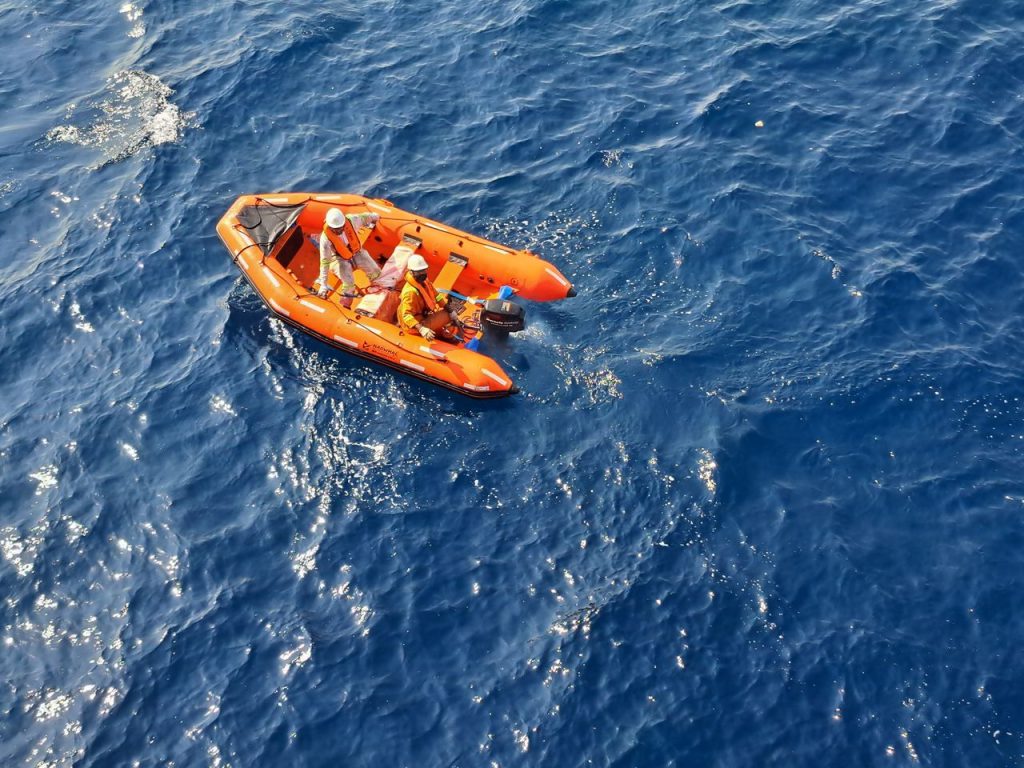
When a medical emergency, flood incident or supply shortage happens in a riverine area, the biggest challenge is often not finding help but getting that help to the community quickly. Roads may be unavailable, jetties may be poorly maintained, and the nearest clinic or town can be several kilometres away by water.
Reliable emergency transport for riverine communities helps move patients, health workers, relief materials and essential supplies when ordinary road transport cannot reach the location. In places such as Bayelsa, Rivers, Delta, Lagos waterside settlements and parts of Cross River, a properly coordinated boat trip can be the fastest connection to safety and support.
The arrangement must consider the type of emergency, weather conditions, passenger needs and the condition of the available water route.
Medical Emergencies Need More Than Any Available Boat
During a health emergency, families may be tempted to use the first canoe or fishing boat they can find. This can be risky, especially when the patient is unconscious, bleeding heavily or unable to sit upright.
The boat should have enough space for the patient, an accompanying relative and any healthcare worker or first responder travelling with them. A stable motorised vessel is usually more suitable than a narrow canoe for moving someone who needs to lie down.
Before departure, confirm:
- The patient’s condition
- The nearest suitable clinic or hospital
- Whether an ambulance can meet the boat at the jetty
- The estimated journey time
- Whether oxygen or other medical equipment is needed
- The safest available landing point
Coordinating the water journey with road transport at the destination reduces delays after the patient reaches land.
Flooding Can Cut Communities Off Without Warning
Riverine communities are used to water transport, but seasonal flooding can still disrupt familiar routes. Strong currents, floating debris and rising water levels may make normal landing points unsafe.
Communities around Yenagoa, Bonny, Brass, Warri and the Lagos Lagoon may need emergency movement during periods of heavy rainfall or high water. In some cases, households require evacuation. In others, food, drinking water, medicine or fuel must be delivered because local supplies have run out.
Boat operators who understand the area can adjust routes and identify safer pickup points. Travelling with someone unfamiliar with the waterways may result in delays or entry into shallow, blocked or dangerous sections.
How Relief Supplies Should Be Packed for Water Transport
Emergency cargo must be protected from water even when the journey is short. Rain, splashes and wet boat floors can damage cartons, medication and electrical equipment.
Items such as food, clothing and hygiene products should be placed in sealed bags or waterproof containers. Medicines must be packaged according to their storage requirements, especially where temperature control is necessary.
Heavy goods should be distributed evenly across the boat. Avoid stacking all the cargo at one end, as this can affect balance and make the vessel harder to control.
A clear cargo list also helps the receiving team confirm that all supplies have arrived.
Details That Help Transport Teams Respond Faster
Providing accurate information at the beginning can reduce mobilisation time. The transport coordinator should know:
- The name of the community
- The nearest recognised jetty or landmark
- The number of passengers
- The nature of the emergency
- The weight and type of supplies
- The preferred destination
- The contact details of someone waiting locally
A location pin can be useful, but it should not replace local directions. Some riverine areas have weak mobile signals, and map applications may not show the safest water route.
It is also important to mention whether elderly people, children, pregnant women or persons with disabilities will be travelling. This helps the operator choose a boat that allows safer boarding and seating.
Safety Checks Should Not Be Skipped Because It Is Urgent
Urgency does not remove the need for basic safety precautions. Every passenger should wear a suitable life jacket, and the vessel should not exceed its recommended capacity.
The operator should check the engine, fuel level, lighting equipment and communication device before leaving. Night travel may sometimes be unavoidable, but it requires better preparation and an operator who knows the route well.
Weather conditions should also be considered. A short delay may be safer than entering open water during a severe storm.
Coordinate Emergency Water and Road Transport With Travo.ng
Effective emergency transport for riverine communities often involves more than one boat trip. A patient may need a vehicle waiting at the jetty, while relief supplies may require onward delivery to a clinic, school or distribution centre.
Travo.ng helps individuals, organisations and response teams coordinate boat transport, vehicle hire, urgent deliveries and cargo movement across Nigeria. Water and road transport can be planned together so that passengers and essential supplies do not become stranded between stages of the journey.
With clear information, suitable equipment and experienced local operators, emergency support can reach riverine communities faster and more safely.
