


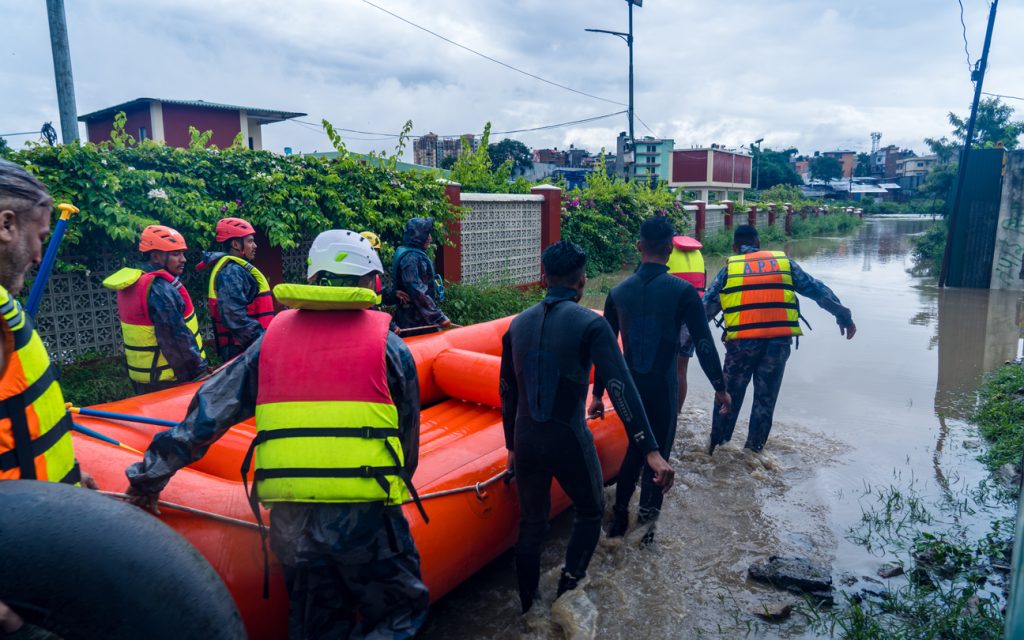
Heavy rainfall can make familiar roads unusable within hours. In parts of Lagos, Bayelsa, Rivers, Delta and other flood-prone areas, vehicles may be unable to reach homes, work sites or communities once water rises above safe driving levels.
In these situations, boat transport when roads are flooded can provide a practical way to move people, food, medical supplies and essential equipment. However, emergency boat movement should be properly planned. Using an unsuitable boat, travelling with an untrained operator or overloading the vessel can turn a difficult situation into a dangerous one.
Reliable arrangements should consider the water route, passenger load, weather conditions, pickup access and the type of items being transported.
When a Boat Becomes Safer Than a Vehicle
Many people wait until a vehicle becomes trapped before looking for another transport option. This usually leads to delays, damaged vehicles and avoidable risk.
A boat may be the more suitable choice when:
- Floodwater is too deep for cars or buses
- The road surface can no longer be seen
- Strong currents are moving across the route
- Drainage channels or open manholes may be hidden
- The destination is accessible through a nearby waterway
- Emergency goods must reach an isolated community
For example, a delivery vehicle may be unable to enter a flooded part of Lekki or Ajah, while a small boat can reach a nearby jetty or waterfront access point. In riverine areas such as Makoko, Bonny, Nembe or communities around the Niger Delta, water transport may already be the most dependable option during the rainy season.
What to Confirm Before Booking the Trip
Boat transport should not be arranged in the same way as an ordinary taxi ride. The operator needs enough information to select the right vessel and plan the journey.
Provide clear details about:
- The exact pickup and drop-off locations
- The number of passengers
- The weight and type of cargo
- Whether children, elderly passengers or patients are travelling
- The condition of the nearest jetty or loading point
- The expected departure time
- Any urgent medical or business deadline
Photos or videos of the pickup area can help determine whether the boat can approach safely. In some cases, passengers may need a smaller vehicle or motorcycle to reach the nearest accessible waterside point before transferring to the boat.
Moving Supplies Through Flooded Areas
Boat transport is useful for more than passenger evacuation. Businesses, relief teams and households may need to move bottled water, food, medicine, fuel, tools or communication equipment.
Cargo should be packed to protect it from splashes and rain. Documents, electronics and medical items should be placed inside waterproof containers or sealed bags. Heavy goods must be distributed evenly so the boat remains balanced.
Avoid loading loose cartons directly onto a wet floor. Even a short trip can damage food products, paper packaging or electrical equipment if they are not properly protected.
Travo.ng can help coordinate boat movement alongside pickup vehicles, delivery scheduling and onward transport where the full journey involves both water and road travel.
Safety Checks That Should Never Be Skipped
Every passenger should have access to a properly fitted life jacket. The boat should also have an experienced operator who understands the route, local currents and safe passenger capacity.
Before departure, confirm:
- The boat is not overloaded
- Life jackets are available and worn
- The engine has enough fuel
- The operator has a working phone
- Weather conditions are suitable
- Emergency contacts are available
- Cargo is secured and balanced
Night movement should be avoided where possible, especially on unfamiliar routes without proper lighting or navigation support. Floodwater may contain floating debris, submerged structures and strong currents that are difficult to detect after dark.
Why Timing Matters During Flood Emergencies
Flood conditions can change quickly. A route that is manageable in the morning may become unsafe later after continued rainfall or water release from nearby channels.
Book as early as possible and keep the transport coordinator updated if water levels rise. During major flooding, demand for boats may increase sharply, particularly for evacuation, food delivery and medical support.
Allow extra time for loading, passenger checks and route adjustments. Emergency travel rarely follows a perfect timetable, so anyone waiting at the destination should receive realistic updates rather than promises the operator may not be able to keep.
Coordinate Flood Transport With Travo.ng
Arranging boat transport when roads are flooded requires more than finding any available vessel. The trip should be matched to the route, number of passengers, cargo weight and current water conditions.
Travo.ng helps individuals, businesses and organisations coordinate boat transport, emergency deliveries, vehicle hire and onward logistics across affected areas. Where a journey requires a boat for one section and road transport for another, both stages can be planned together.
With the right operator, suitable safety equipment and clear communication, essential movement can continue even when flooded roads are no longer passable.
