


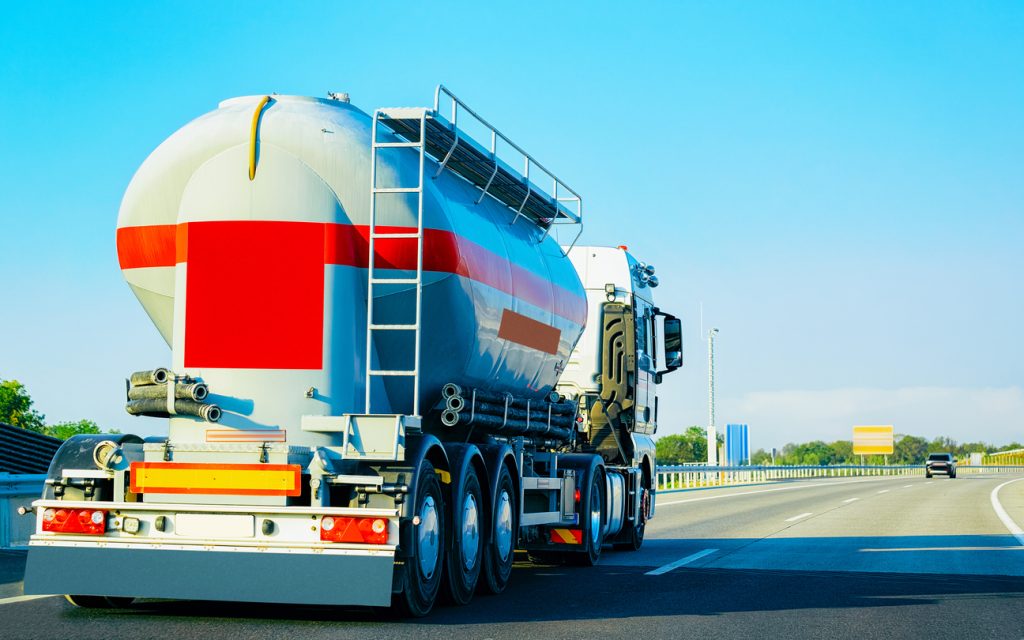
Truck driving lessons in Kumasi are designed for people who want to operate heavy goods vehicles, haulage trucks, trailers and other commercial vehicles safely.
Driving a truck requires different skills from driving a private car. The vehicle is larger, heavier and has wider blind spots, longer braking distances and different turning characteristics. Proper training is therefore important for anyone planning to work in haulage, logistics, construction, distribution or commercial transport.
What Truck Driving Lessons in Kumasi Cover
A practical truck driving programme can cover:
- Starting and stopping heavy vehicles
- Gear and clutch control
- Safe acceleration and braking
- Reversing and parking
- Wide turns and cornering
- Mirror and blind-spot checks
- Lane changes
- Safe overtaking
- Following-distance management
- Defensive driving
- Highway driving
- Vehicle inspection
- Safe cargo handling
Ghana’s DVLA requires applicants to provide evidence of compulsory training with a certified Driver Training Institution before taking the theory and in-traffic driving tests. (DVLA Ghana)
Heavy Goods Vehicle Training in Kumasi
Heavy goods vehicle training requires more specialised instruction than ordinary driving lessons.
Ghana’s DVLA has developed a standardised Heavy Goods Vehicle Driver Training Curriculum covering areas such as basic driving, reversing, safe road negotiation, vehicle checks, cargo handling and trailer coupling and uncoupling. (FlipHTML5)
The DVLA also received a dedicated HGV training truck in August 2026 to strengthen professional driver training and practical assessment for heavy goods vehicle drivers. (DVLA Ghana)
Truck and Trailer Driving Practice
If you want to drive articulated trucks or trailers, make sure the training programme includes practical experience with the type of vehicle you intend to operate.
You should learn how to:
- Reverse an articulated vehicle safely
- Judge the trailer’s position using mirrors
- Make wide turns
- Manage blind spots
- Couple and uncouple a trailer correctly
- Position the vehicle at loading areas
- Maintain safe clearance from other vehicles
- Control the vehicle on highways
These skills are particularly important for drivers who intend to work in long-distance haulage.
Where Truck Drivers Can Practise Around Kumasi
Practical training should progress gradually from controlled areas to busier roads as the learner develops confidence.
Depending on the training programme, lessons can involve routes around areas such as Adum, Kejetia, Asokwa, Ahodwo, Santasi, Kwadaso, Oforikrom, KNUST and the Ejisu corridor.
The instructor should select routes based on the learner’s ability and the size and type of truck being used.
Choosing a Truck Driving School in Kumasi
Before registering, confirm that the training provider offers heavy-vehicle instruction rather than only ordinary car-driving lessons.
Ask whether the programme includes:
- Actual truck driving practice
- Qualified instructors
- Reversing and manoeuvring
- Highway driving
- Defensive driving
- Vehicle inspection
- Cargo safety
- Trailer training where required
- Preparation for the relevant DVLA testing process
The DVLA maintains a Kumasi regional station and provides driver licensing services across Ghana. (DVLA Ghana)
Truck Driving Lessons for Beginners
If you have never driven a truck before, your training should begin with basic vehicle control before progressing to busy roads.
You need to understand how the truck accelerates, brakes, turns and responds to steering inputs. Reversing should also receive significant attention because large vehicles have substantial blind areas.
Having experience driving a car can help with general road awareness, but it does not automatically prepare someone to operate a heavy truck.
Truck Driving Training for Logistics Jobs
Truck-driving skills can create opportunities in haulage, logistics, construction, manufacturing, agriculture and distribution.
Kumasi is an important transport and commercial centre, making professional heavy-vehicle skills useful for drivers moving goods between the Ashanti Region and other parts of Ghana.
Long-distance truck drivers also need to understand route planning, vehicle checks, cargo security, rest periods and changing road conditions.
How Long Does Truck Driving Training Take?
The duration depends on your previous driving experience, the type of truck and the training programme.
A new heavy-vehicle driver generally needs more supervised practice than someone upgrading from an existing lower vehicle category.
Before paying for a course, ask how much practical driving time is included and whether the programme specifically prepares you for the type of commercial vehicle you want to operate.
Tribal and Cultural Considerations When Driving in Kumasi
Kumasi has people from different ethnic and cultural backgrounds using the same roads.
Truck drivers should avoid making assumptions about road users based on tribe or nationality. Focus on actual road behaviour, communicate respectfully and give other road users enough space.
This is particularly important around markets, loading points, transport terminals and busy commercial roads where traffic can change quickly.
Preparing for Your Truck Driving Lessons
Before your practical training:
- Get enough rest before driving
- Wear comfortable footwear
- Listen carefully to your instructor
- Practise regular mirror checks
- Learn basic vehicle inspection
- Ask questions when you are unsure
- Avoid distractions while driving
- Take reversing practice seriously
- Learn how the vehicle behaves when loaded
Truck driving is a practical skill that develops through supervised experience. The objective is not simply to control a large vehicle but to operate it safely and responsibly in different traffic and road conditions.
Truck Driving Lessons and Travo.ng
If you are learning to drive trucks in Kumasi for logistics or commercial work, Travo.ng can also support related transportation and logistics needs, including cargo movement, delivery coordination, transport arrangements and business travel.
Whether you are preparing for your first haulage job or improving your commercial driving skills, proper training combined with good route and logistics planning can make your work more organised.
