


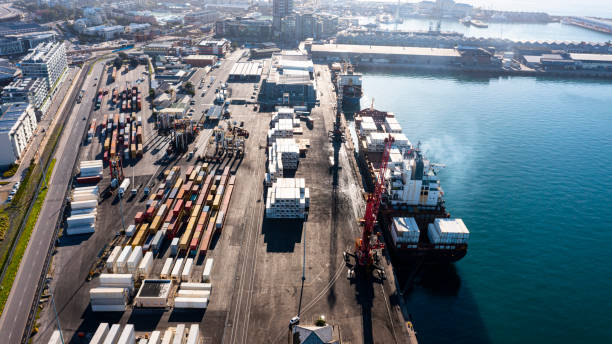
End-to-end import management means handling an import shipment from the initial sourcing and purchase decision through international transportation, customs clearance and final delivery. Instead of treating sourcing, freight, documentation, customs and local delivery as separate tasks, the entire import process is planned and coordinated as one operation.
For Nigerian importers, this approach can make a major difference because an overseas purchase involves several stages before the goods finally reach the business.
What End-to-End Import Management Covers
A complete import management process can include:
- Supplier and product sourcing
- Purchase order coordination
- Import documentation
- Freight booking
- Cargo transportation
- Customs preparation
- Duty and tax assessment
- Port and terminal coordination
- Customs clearance
- Cargo release
- Inland transportation
- Final delivery
- Shipment tracking and reporting
Managing these stages together helps businesses identify potential problems before they become expensive delays.
Starting With the Right Import Plan
Import management begins before goods leave the supplier’s country.
The importer needs to confirm the product specifications, supplier details, purchase terms, shipping method, destination and expected delivery timeline. The business should also understand applicable restrictions, permits and customs requirements before placing a major order.
For Nigerian imports, customs procedures include formal documentation and declaration requirements. The Nigeria Customs Service provides an approved import procedure for compliant cargo processing.
Supplier and Purchase Coordination
A supplier may be reliable, but poor coordination can still create problems.
Importers need to confirm production timelines, packaging, quantities, commercial invoices and shipping information before cargo is dispatched. Any mismatch between the order and shipping documents can create additional work during clearance.
Keeping supplier information connected to the shipment record makes it easier to identify what was ordered, what was shipped and what should eventually arrive.
Freight and International Shipping
Once the goods are ready, the next stage is transportation.
Depending on the cargo, importers may choose sea freight, air freight or other transportation arrangements. The decision usually depends on factors such as cargo size, urgency, cost and destination.
For example, a container shipment from China to Lagos requires different planning from a small, time-sensitive air shipment. End-to-end import management considers the complete journey rather than selecting freight purely on the initial shipping price.
Import Documentation and Customs
Documentation is one of the most important parts of import management.
Nigeria’s customs framework includes processes such as importer registration, Form M, Pre-Arrival Assessment Report and the Single Goods Declaration for applicable imports.
Importers also need accurate product descriptions, values, classifications and supporting documents. Incorrect information can result in additional checks, delays or unexpected costs.
Managing Customs Duties and Import Costs
The actual cost of importing goes beyond the supplier’s invoice.
Businesses may need to account for freight, insurance, customs duties, terminal charges, clearing expenses, local transportation and other applicable costs.
Customs valuation in Nigeria follows established rules for determining the customs value of goods, while tariff classification determines the applicable duty treatment. The Nigeria Customs Service advises traders to confirm the current tariff and classification rather than relying on outdated rates.
This is why calculating the likely landed cost before ordering can help an importer determine whether a shipment will remain profitable.
Port Clearance and Cargo Release
After the shipment arrives, the import process moves into clearance and release.
Depending on the shipment and customs risk assessment, cargo may require document checks, scanning or physical examination before release. Terminal processes and charges may also need to be completed before the goods can leave the port.
Nigeria Customs Service materials describe the clearance process as involving customs assessment, risk-based checks and release before terminal exit.
Inland Delivery After Clearance
Import management does not end when customs releases the cargo.
The goods still need to reach the warehouse, shop, factory or customer. For cargo arriving at Lagos ports and destined for another part of Nigeria, inland transportation needs to be planned alongside the clearance process.
This prevents situations where cargo is released but there is no suitable vehicle, warehouse space or delivery plan ready.
Tracking the Entire Import Journey
Importers need visibility from the moment an order is placed until the goods arrive at their final destination.
Tracking can help businesses monitor supplier readiness, shipping progress, arrival information, clearance status and local delivery.
For companies handling multiple shipments, having this information organized in one place can make it easier to identify delays and communicate accurate updates to customers or internal teams.
End-to-End Import Management for SMEs
Small and medium-sized businesses often manage imports with limited staff. One person may be responsible for communicating with suppliers while another handles payments, freight agents and local delivery.
A structured end-to-end process reduces the risk of important tasks being forgotten.
It can also help SMEs compare the full cost of an import before committing funds, rather than discovering additional logistics and clearance expenses after the cargo has arrived.
How Travo.ng Can Help With End-to-End Import Management
Travo.ng can support the logistics side of an import by helping businesses coordinate cargo movement, transportation and delivery requirements.
For Nigerian importers, this can be useful when goods need to move from an international supplier through the Nigerian logistics network and eventually to a warehouse, business location or customer.
The goal is to make transportation and delivery easier to coordinate as part of the wider import process.
Building a More Reliable Import Process
End-to-end import management connects every stage of an international purchase, from supplier coordination to final delivery.
For Nigerian businesses, proper planning can help reduce avoidable delays, improve visibility and give the importer a clearer picture of the total cost of bringing goods into the country.
The strongest import process is not simply about getting goods shipped. It is about coordinating the purchase, documentation, freight, customs, clearance and final delivery as one connected operation.
