


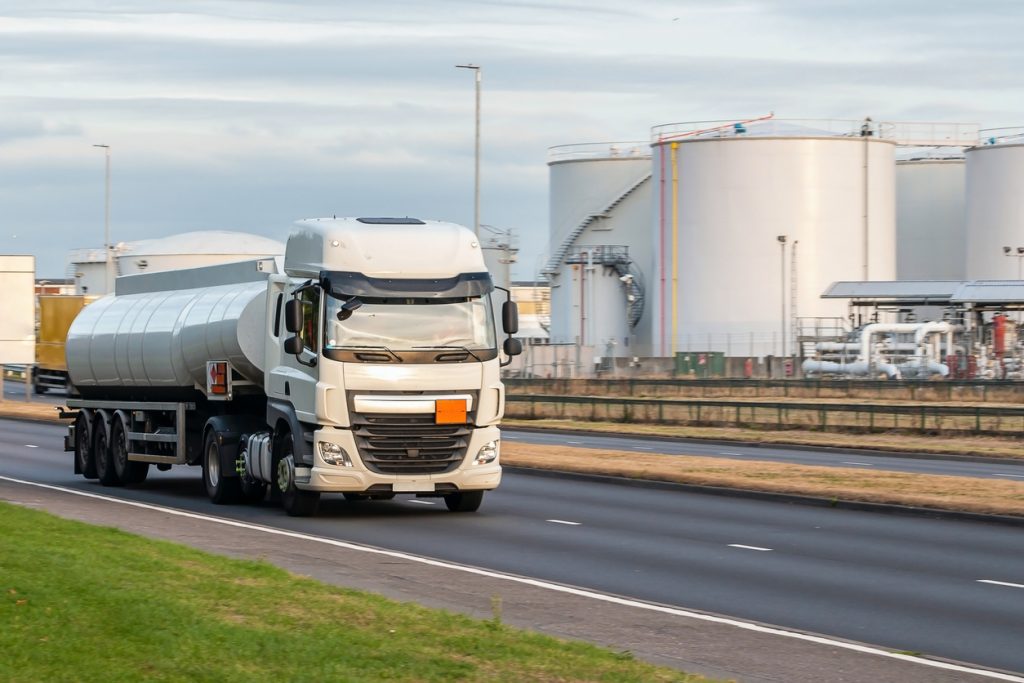
Transporting petroleum products across Nigeria is one of the most sensitive areas of the logistics industry. Whether it is Premium Motor Spirit (PMS), Automotive Gas Oil (AGO), Dual Purpose Kerosene (DPK), or aviation fuel, every shipment requires careful planning, strict safety procedures, and experienced transport coordination.
With fuel depots, tank farms, filling stations, industrial facilities, and manufacturing plants depending on timely deliveries, secure petroleum transport in Nigeria has become a critical part of keeping businesses and communities running smoothly.
At Travo.ng, we understand the operational realities involved in moving petroleum products safely across different parts of the country, from major depots in Lagos and Port Harcourt to filling stations in Abuja, Kano, Enugu, and other commercial hubs.
What Makes Petroleum Transportation Different?
Unlike ordinary cargo movement, petroleum products are highly regulated and require specialized handling. A delay, accident, or compliance issue can lead to financial losses, environmental damage, or safety risks.
Every petroleum transport operation typically involves:
- Certified tanker vehicles
- Qualified drivers with hazardous cargo experience
- Route planning and risk assessment
- Vehicle inspection before loading
- Compliance with industry regulations
- Cargo monitoring throughout transit
For example, a fuel shipment moving from Apapa in Lagos to filling stations in Abuja may cover over 700 kilometers. Along that route, operators must account for road conditions, traffic bottlenecks, security concerns, and scheduled rest stops for drivers.
Routes That Require Extra Planning
Some petroleum transport corridors in Nigeria are busier than others and often require additional coordination.
Common fuel transport routes include:
- Lagos to Abuja
- Lagos to Ibadan
- Lagos to Benin City
- Port Harcourt to Aba
- Port Harcourt to Enugu
- Kaduna to Kano
- Warri to various northern states
The Lagos–Abuja corridor, for instance, experiences significant commercial traffic daily. During peak periods or festive seasons, transit times can increase considerably, affecting fuel distribution schedules.
Businesses that depend on regular fuel supply often work with logistics providers that can monitor shipments and provide delivery updates throughout the journey.
Common Challenges in Petroleum Logistics
Many businesses underestimate the complexity of fuel transportation until they experience operational disruptions.
Some of the most common challenges include:
Vehicle Downtime
Poorly maintained tanker trucks can lead to unexpected breakdowns, causing delivery delays and additional costs.
Security Risks
Certain interstate routes require additional security planning, particularly for high-value petroleum products moving long distances.
Regulatory Compliance
Transport operators must comply with industry standards and safety requirements. Failure to meet these standards can result in penalties or operational disruptions.
Traffic Delays
Areas such as Apapa, Mile 2, and parts of Lagos often experience congestion that can affect loading schedules and dispatch timelines.
Working with experienced logistics coordinators helps businesses anticipate and manage these challenges before they become costly problems.
How Businesses Reduce Transportation Risks
Companies that consistently achieve safe fuel deliveries typically focus on preparation rather than reacting to problems after they occur.
Best practices include:
- Conducting vehicle inspections before loading.
- Using experienced tanker drivers.
- Monitoring routes in real time.
- Scheduling deliveries during optimal travel periods.
- Maintaining clear communication between depots and delivery locations.
- Keeping emergency response procedures in place.
These measures significantly reduce operational risks while improving delivery reliability.
Choosing a Reliable Petroleum Transport Partner
When selecting a logistics provider, businesses should look beyond pricing alone.
Important considerations include:
- Safety record
- Fleet condition
- Route knowledge
- Regulatory compliance experience
- Delivery tracking capabilities
- Customer support responsiveness
A slightly cheaper transport option can become far more expensive if delays, cargo losses, or compliance issues occur during transit.
This is why many businesses prioritize reliability and operational experience when arranging petroleum transportation.
How Travo.ng Supports Fuel Transportation Operations
Travo.ng helps businesses coordinate logistics solutions designed for Nigeria’s transportation environment. Whether a company needs support moving petroleum products between cities, coordinating interstate deliveries, arranging transport services, or managing broader business logistics requirements, practical planning and local operational knowledge make a significant difference.
In addition to logistics coordination, many businesses also use Travo.ng for related services such as corporate travel bookings, airport pickups, vehicle hire, hotel reservations for field teams, and transport support for operational staff working across multiple locations.
By combining logistics expertise with nationwide mobility solutions, businesses can streamline operations while maintaining the reliability required for petroleum distribution.
The Cost of Getting It Wrong
Fuel transportation is not an area where shortcuts pay off. Delayed deliveries can affect filling stations, industrial operations, construction projects, and businesses that rely on uninterrupted fuel supply.
Secure petroleum transport in Nigeria depends on proper planning, experienced operators, regulatory compliance, and dependable logistics coordination. Businesses that invest in safe and reliable transport solutions often experience fewer disruptions, better operational efficiency, and stronger long-term results.
For organizations moving petroleum products across Nigeria, choosing the right logistics partner is one of the most important decisions in the entire supply chain.
