


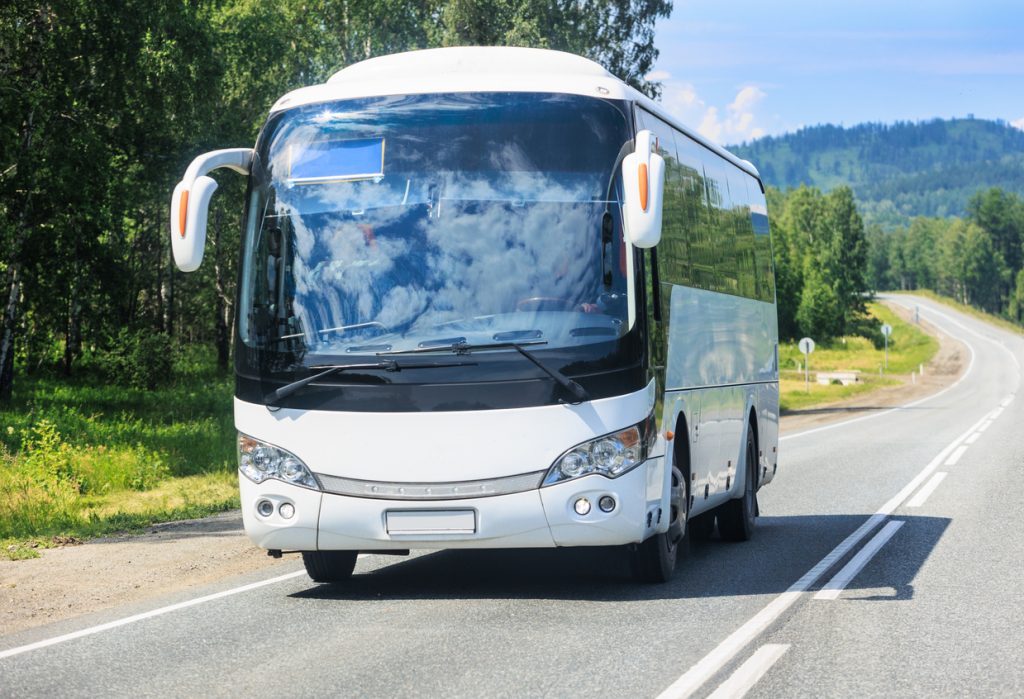
Traveling from Abuja to Lagos by road is one of the most common and important interstate journeys in Nigeria. It connects the country’s administrative capital with its commercial powerhouse, and every day thousands of passengers, traders, students, and business travelers move along this route.
From Jabi, Utako, Kubwa, and Zuba parks in Abuja, the journey stretches all the way to Ojota, Mile 2, Oshodi, Berger, and Yaba terminals in Lagos, depending on where you’re heading.
It’s a long but well-traveled corridor that feels like the backbone of Nigeria’s road transport system.
Why Abuja to Lagos Is Nigeria’s Most Important Road Route
This route is always active because it connects:
- Federal government and administrative movement in Abuja
- Lagos business, trade, and import distribution networks
- Corporate travel between headquarters and branches
- Students and professionals relocating between cities
- Logistics companies moving goods across the country
It is the main economic bridge between governance and commerce in Nigeria.
The Journey Starts in Abuja Before the Highway Opens Up
Even though Abuja is more organized than Lagos, the journey still begins with preparation.
Typical departure process includes:
- Boarding at Utako, Jabi, or Kubwa motor parks
- Ticket confirmation and luggage loading
- Passenger coordination for long-distance buses
- Early morning or night departures (very common)
- Final checks before leaving the Federal Capital Territory
Unlike Lagos, Abuja traffic is lighter, so departures are usually more predictable.
What the Abuja to Lagos Road Journey Is Really Like
Once the bus leaves Abuja, the route typically follows Nigeria’s central highway system:
- Abuja → Niger State corridor (Suleja axis)
- Kaduna or Lokoja route depending on operator
- Kogi State (Lokoja bridge area)
- Ogun State corridor
- Entry into Lagos via Berger / Ojota / Mile 2 axis
On a smooth trip, travel time is around 6–8 hours, but in real conditions it often takes 8–12 hours due to road conditions, traffic into Lagos, and stopovers.
What First-Time Travelers Usually Experience
If it’s your first Abuja to Lagos trip, expect:
- Long highway driving with wide open roads
- Fewer stops compared to southern routes
- Roadside checkpoints along the way
- Heavy traffic when entering Lagos
- Night or early morning arrival in most cases
The biggest surprise for many travelers is how fast the road feels outside city areas, and how slow Lagos entry can become.
Why This Route Matters for Business and Travel in Nigeria
Abuja to Lagos is essential for:
- Government officials and corporate travel
- Importers and exporters moving between ports and administration
- Business meetings and conferences
- Cargo and logistics distribution nationwide
- Students and relocation movement
It is the most economically significant road corridor in Nigeria.
Common Mistakes People Make on Abuja to Lagos Trips
Even frequent travelers make avoidable mistakes:
1. Underestimating Lagos entry traffic
The final stretch into Lagos can take hours.
2. Choosing poor departure timing
Night travel is common but must be well planned.
3. Ignoring stopover planning
Rest stops are necessary for long-distance safety.
4. Not confirming drop-off points in Lagos
Lagos has multiple terminals depending on your destination.
5. Poor luggage preparation
Long journeys require secure packaging for goods.
Why Timing Matters More Than Distance
On Abuja to Lagos trips, distance is not the main factor—execution is.
What affects your journey most:
- Departure timing from Abuja
- Road conditions along the Kogi corridor
- Security and checkpoint delays
- Entry traffic into Lagos
- Number of stopovers along the route
Two passengers on the same route can have very different travel experiences depending on timing and coordination.
How Travo.ng Helps With Abuja to Lagos Travel
Instead of dealing with uncertainty or terminal guesswork, Travo.ng helps travelers plan smarter.
With it, you can:
- Plan Abuja to Lagos trips in advance
- Compare transport and logistics options
- Arrange parcel and cargo movement between cities
- Reduce uncertainty around departure timing
- Combine travel booking and logistics coordination in one platform
It makes Nigeria’s busiest road route easier to manage.
Final Thoughts on Abuja to Lagos Travel
The Abuja to Lagos route is Nigeria’s most important interstate corridor, connecting governance and commerce through a heavily used and economically vital highway.
While the road is well established, the experience still depends on timing, planning, and understanding how real transport operations work—not just distance.
With better coordination and tools like Travo.ng, the journey becomes smoother, more predictable, and far easier to manage.
