


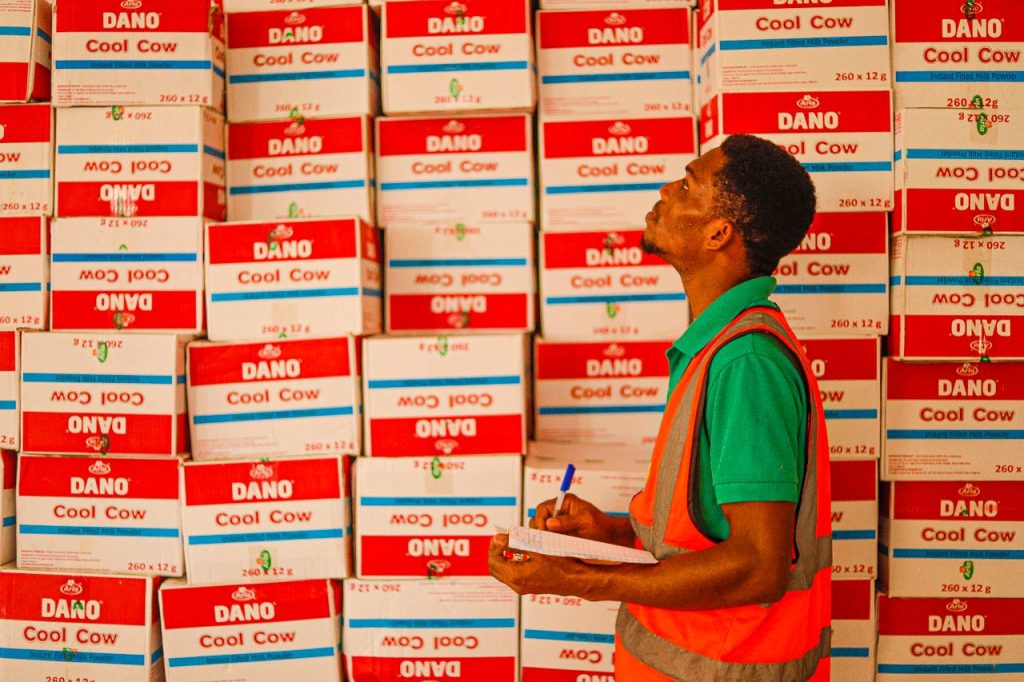
Running an efficient food supply chain Nigeria businesses can depend on is not simply about moving food from one location to another. Timing, storage conditions, vehicle availability, traffic, handling and communication all affect whether products arrive fresh and saleable.
A vegetable supplier moving produce from northern Nigeria to Lagos faces different challenges from a restaurant sourcing frozen chicken within Lagos or a supermarket distributing groceries to several branches. Once food is delayed, badly handled or exposed to unsuitable temperatures, the financial loss can be immediate.
This is why businesses need a practical logistics system that considers the entire journey from supplier pickup to final delivery.
Where Food Supply Chains Commonly Lose Time
One major problem is poor coordination between suppliers, transporters, warehouses and receiving locations.
Consider fresh tomatoes leaving Kano for Lagos. The journey is already long, but additional hours can be lost waiting for loading, dealing with vehicle problems or arriving at a market when there is nobody ready to receive the goods.
Within Lagos, the distance may be shorter but traffic creates another problem. A food delivery travelling from Mile 12 towards Lekki during peak traffic needs realistic scheduling rather than an optimistic delivery estimate.
Good planning should account for:
- Pickup and loading time
- Expected road conditions
- Product shelf life
- Temperature requirements
- Delivery windows
- Unloading arrangements
- Backup transport options
Removing unnecessary waiting time can make as much difference as choosing a faster vehicle.
Building an Efficient Food Supply Chain Nigeria Businesses Can Scale
Food businesses often become more difficult to manage as order volumes increase.
A restaurant supplying one location may initially manage purchases with occasional pickups. Once that business has outlets in Ikeja, Victoria Island and Lekki, coordinating suppliers and deliveries manually becomes much more complicated.
The solution is to plan movements around repeatable routes and delivery schedules.
Frequently ordered products can be grouped into planned deliveries rather than sending separate vehicles for every small requirement. For larger movements, businesses may also need dedicated cargo transport or scheduled distribution runs.
Travo.ng can support businesses with transport coordination, delivery services and cargo logistics, helping reduce the pressure of arranging different vehicles and drivers for every movement.
Temperature Control Cannot Be an Afterthought
Fresh vegetables, dairy products, frozen foods, meat and seafood require more careful handling than packaged dry goods.
Frozen products should not spend unnecessary time sitting outside temperature-controlled storage while drivers wait for paperwork or unloading instructions. Fresh produce also needs adequate ventilation and protection from excessive heat.
Businesses should confirm the condition of the goods at pickup and ensure that the transport arrangement matches the product being moved.
For example, cartons of packaged noodles can tolerate conditions that frozen poultry cannot. Using the same logistics approach for both creates unnecessary risk.
Plan Deliveries Around Nigerian Traffic and Market Conditions
Delivery schedules should reflect how Nigerian roads actually operate.
Morning movement into busy commercial areas may be affected by traffic around major Lagos corridors. Interstate deliveries can face delays from road conditions, checkpoints, vehicle breakdowns or heavy seasonal traffic.
Demand also increases around Christmas, Easter, Ramadan and other major celebrations. Food suppliers and retailers should arrange additional transport capacity before these periods instead of searching for vehicles when demand has already peaked.
For urgent business deliveries, having a logistics partner that can coordinate transport quickly is particularly useful.
Reduce Waste by Improving Communication
Many food losses happen because information does not move as quickly as the goods.
The driver should know exactly where to deliver. The receiving team should know the expected arrival time. Suppliers should confirm that orders are ready before vehicles are dispatched.
Simple communication can prevent a vehicle from waiting several hours with perishable products on board.
Businesses should also record repeated delays. If deliveries to a particular branch consistently arrive late, the route, departure time or pickup arrangement probably needs adjustment.
Making Food Distribution Easier With Travo.ng
A dependable food supply chain is built around planning, suitable transport and consistent coordination.
Travo.ng helps Nigerian businesses arrange delivery services, cargo movement, transport coordination and other logistics support for moving goods between suppliers, warehouses, shops and customers.
Whether you are supplying restaurants across Lagos, moving packaged food interstate or coordinating regular deliveries for retail outlets, the objective is the same: reduce avoidable delays and get products where they need to be in the right condition.
A more efficient food supply chain Nigeria businesses can rely on starts with understanding every stage of the movement and fixing the points where time, products and money are being lost.
