


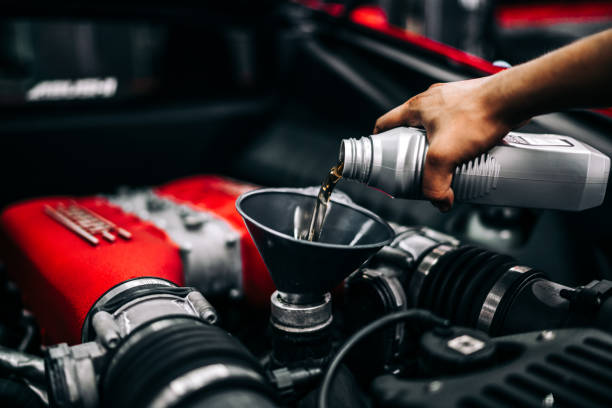
An oil change is the process of removing old engine oil from a vehicle and replacing it with fresh oil. It is one of the most important routine maintenance services because engine oil lubricates moving parts, reduces friction, cools the engine, and prevents wear.
In Nigeria, oil changes are especially important due to traffic congestion, heat, dusty roads, and long driving distances.
Why Oil Change Is Important
Engine oil helps to:
- Lubricate engine parts
- Reduce engine wear and tear
- Prevent overheating
- Clean dirt and sludge from the engine
- Improve fuel efficiency
- Extend engine life
When You Should Change Engine Oil
Most vehicles require oil change:
- Every 5,000 – 10,000 km (depending on oil type)
- Or every 3–6 months
- Earlier if driving in heavy traffic or harsh conditions
Signs You Need an Oil Change
- Engine sounds louder than normal
- Dark or dirty oil on dipstick
- Reduced fuel efficiency
- Oil warning light on dashboard
- Engine feels sluggish
- Burning oil smell
Types of Engine Oil
1. Mineral Oil
- Cheapest type
- Needs frequent change (3,000–5,000 km)
2. Semi-Synthetic Oil
- Balanced performance and price
- Lasts about 5,000–7,000 km
3. Fully Synthetic Oil
- Best performance
- Lasts 7,000–10,000+ km
- More expensive but better engine protection
Oil Change Process
1. Drain Old Oil
- Old oil is removed from engine via drain plug
2. Replace Oil Filter
- Prevents dirt circulation in engine
3. Inspect Engine Components
- Check for leaks or wear
4. Add New Engine Oil
- Fresh oil is poured based on manufacturer specification
5. Engine Test
- Engine is started to circulate oil
- Oil level is checked again
Cost of Oil Change in Nigeria (2026 Estimate)
1. Small Cars
- ₦15,000 – ₦35,000
2. SUVs
- ₦25,000 – ₦70,000
3. Luxury Vehicles
- ₦50,000 – ₦150,000+
4. Fleet/Commercial Vehicles
- ₦30,000 – ₦100,000 per service
What Affects Oil Change Cost
- Type of engine oil used
- Vehicle engine size
- Oil filter brand
- Labour charges
- Location (Lagos/Abuja usually higher)
Risks of Not Changing Engine Oil
- Engine overheating
- Increased fuel consumption
- Engine knocking
- Sludge buildup
- Complete engine damage
Oil Change for Fleet & Logistics Vehicles
For logistics companies, regular oil change is critical because:
- Vehicles travel long distances daily
- Engines run under heavy loads
- Reduces breakdown risk
- Improves delivery reliability
- Extends fleet lifespan
Mobile Oil Change Services
In Nigeria, many mechanics now offer mobile oil change, where they:
- Come to your home or office
- Service fleet vehicles on-site
- Reduce downtime for businesses
Tips for Proper Oil Maintenance
- Use manufacturer-recommended oil grade
- Check oil level weekly
- Avoid overfilling oil
- Replace oil filter every service
- Do not exceed oil change interval
Conclusion
An oil change is one of the simplest but most important vehicle maintenance services. In Nigeria’s driving conditions, regular oil servicing ensures engine protection, better performance, and longer vehicle lifespan—especially for daily-use and logistics vehicles.
