


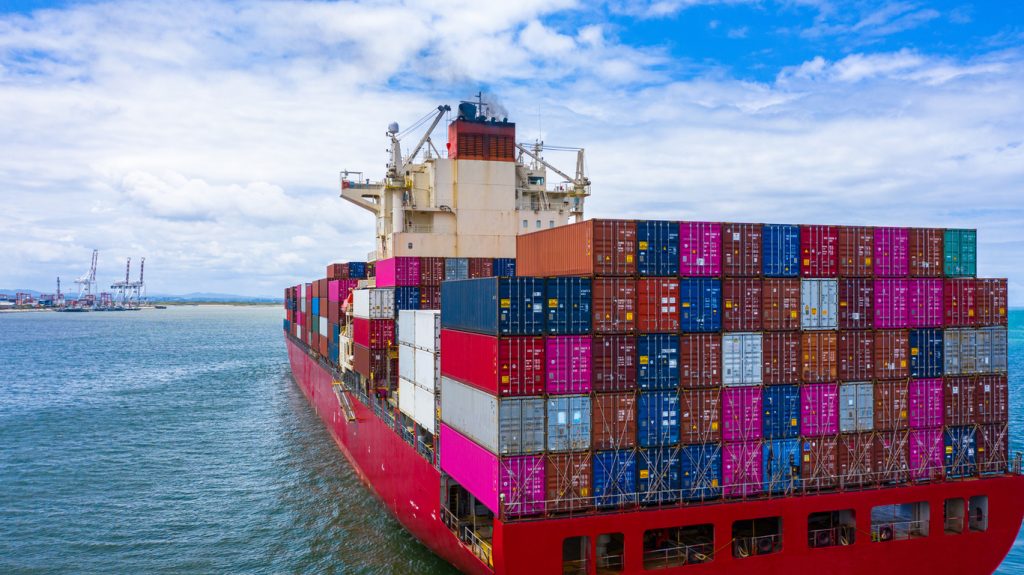
Tin Can Port congestion refers to the overcrowding, delays, and operational bottlenecks at the Tin Can Island Port in Lagos, Nigeria, which affect the smooth movement of cargo in and out of the terminal. It results in long waiting times for trucks, delayed clearance, and increased logistics costs.
In simple terms, it means cargo movement at Tin Can Port is slowed down due to traffic, delays, and port operational pressure.
Why Tin Can Port Becomes Congested
1. High Import Volume
Tin Can Port handles a large share of Nigeria’s containerized imports, leading to:
- Yard overcrowding
- High truck traffic demand
- Container stacking pressure
2. Limited Terminal Capacity
The port infrastructure struggles with:
- Insufficient yard space
- Limited container handling equipment
- Restricted storage capacity
3. Truck Traffic Bottlenecks
Movement is slowed by:
- Long truck queues
- Poor road access around the port
- Inefficient truck scheduling
4. Customs and Inspection Delays
Cargo clearance is slowed by:
- Physical examination processes
- Documentation issues
- Regulatory checks
5. Inefficient Cargo Handling
Delays occur due to:
- Slow loading and offloading
- Equipment breakdowns
- Manual processes in some operations
6. Port Access Road Challenges
Surrounding roads often experience:
- Gridlock
- Poor maintenance
- Overloaded traffic flow
Effects of Tin Can Port Congestion
1. Increased Logistics Costs
Importers face higher expenses due to:
- Truck demurrage
- Storage charges
- Fuel and waiting time costs
2. Delivery Delays
Goods take longer to reach:
- Warehouses
- Retail markets
- Manufacturing facilities
3. Cargo Exposure Risks
Long delays increase risk of:
- Theft or pilferage
- Container tampering
- Moisture or heat damage
4. Supply Chain Disruption
Businesses experience:
- Stock shortages
- Production delays
- Unpredictable delivery schedules
5. Economic Inefficiency
Higher logistics costs reduce business competitiveness.
Major Challenges at Tin Can Port
1. Overcrowded Container Yards
Too many containers stored at once.
2. Poor Truck Coordination
Lack of smooth scheduling between stakeholders.
3. Infrastructure Limitations
Aging equipment and limited expansion space.
4. Regulatory Delays
Inspection and documentation bottlenecks.
5. Road Network Pressure
Surrounding highways often become congested.
Solutions to Tin Can Port Congestion
1. Digital Truck Scheduling Systems
Helps reduce uncontrolled truck movement.
2. Improved Port Infrastructure
Expansion of container yards and equipment upgrades.
3. Faster Customs Processing
Streamlined documentation and inspection procedures.
4. Use of Alternative Ports
Shifting cargo to:
- Lekki Deep Sea Port
- Apapa Port (when less congested)
- Other regional terminals
5. Better Coordination Among Stakeholders
Improved communication between:
- Shipping lines
- Terminal operators
- Customs
- Trucking companies
6. Off-Port Cargo Storage
Using bonded warehouses and inland depots.
How Businesses Can Reduce Impact
1. Early Cargo Planning
Avoid peak congestion periods.
2. Use Experienced Freight Forwarders
They help reduce delays and optimize clearance.
3. Pre-Documentation Preparation
Ensures faster clearance at the port.
4. Use Warehousing Near Ports
Reduces immediate pressure on pickup.
5. Diversify Port Usage
Avoid relying on only Tin Can Port.
Cargo Risk During Congestion
When congestion increases, cargo becomes exposed to:
- Temperature damage
- Moisture contamination
- Theft and pilferage
- Container delay deterioration
Role of Insurance in Congestion-Related Risks
Cargo insurance may cover:
- Damage during extended storage
- Transit-related losses
- Contamination from delay exposure
However, pure delay costs are usually not covered unless specifically included.
How Travo.ng Supports Businesses After Clearance
While Tin Can congestion affects port operations, efficient inland logistics helps reduce total delivery delays.
This is where Travo.ng supports businesses across Nigeria.
Travo.ng provides:
- Cargo pickup from Tin Can Port and other terminals
- Nationwide transportation services
- Interstate logistics coordination
- Commercial cargo delivery
- Distribution support for businesses
- Last-mile delivery solutions
Reliable logistics planning helps reduce the downstream effects of port congestion.
Final Insight
Tin Can Port congestion in Lagos is driven by high cargo volume, limited infrastructure, and operational delays. It increases costs, slows supply chains, and exposes cargo to risk, but improvements in digital scheduling, infrastructure, and alternative ports are helping to reduce its impact.
