


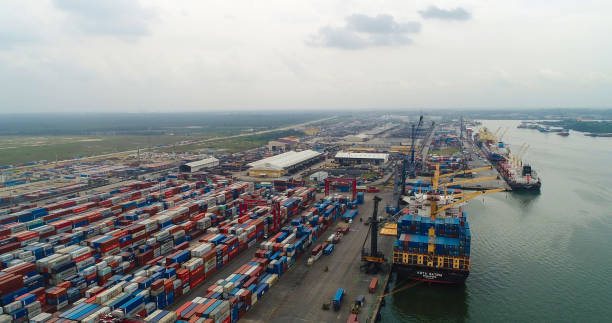
The Nigerian Ports Authority (NPA) remains at the center of efforts to improve cargo movement, reduce congestion, modernize infrastructure, and strengthen Nigeria’s position as a major maritime gateway in West Africa.
For importers, exporters, freight forwarders, and logistics businesses, keeping up with Nigerian Ports Authority updates is important because policy changes, infrastructure projects, and operational improvements can directly affect shipping costs, cargo clearance timelines, and supply chain planning.
Major port modernization projects underway
One of the biggest developments in 2026 is the continued push to modernize port infrastructure across Nigeria.
The NPA is supporting initiatives aimed at:
- Improving cargo handling efficiency
- Upgrading terminal facilities
- Expanding capacity at major ports
- Enhancing vessel turnaround times
- Supporting digital port operations
These projects are intended to reduce delays that have historically affected major ports such as Apapa and Tin Can Island Port.
Focus on reducing port congestion
Port congestion remains one of the biggest operational challenges facing Nigerian maritime trade.
Current NPA efforts include:
- Improved truck traffic management
- Better coordination with terminal operators
- Infrastructure rehabilitation around port corridors
- Enhanced cargo evacuation systems
The objective is to reduce container dwell time and improve cargo flow through Nigeria’s busiest ports.
Digital transformation of port operations
A significant area of focus is the transition toward more digital and paperless processes.
Recent initiatives support:
- Electronic documentation
- Digital cargo tracking
- Automated port processes
- Improved data sharing among stakeholders
- Faster processing of port-related transactions
Digitalization is expected to improve transparency while reducing administrative delays.
Supporting the National Single Window initiative
The NPA continues to work alongside government agencies on the implementation of the National Single Window system.
When fully implemented, the system aims to:
- Simplify trade documentation
- Reduce duplication across agencies
- Speed up import and export processing
- Improve ease of doing business
For importers, this could mean shorter clearance timelines and fewer administrative bottlenecks.
Infrastructure upgrades around Lagos ports
Many NPA-related updates continue to focus on Lagos due to the volume of cargo handled through:
- Apapa Port
- Tin Can Island Port
Key priorities include:
- Access road improvements
- Better truck movement coordination
- Enhanced cargo evacuation networks
- Reduced traffic bottlenecks around port areas
These upgrades are critical because road access remains one of the largest contributors to logistics delays.
Increased attention on alternative ports
To reduce pressure on Lagos, there is growing emphasis on increasing utilization of other ports, including:
- Onne Port
- Warri Port
- Calabar Port
- Lekki Deep Sea Port
A more balanced distribution of cargo could help reduce congestion and improve overall port efficiency nationwide.
What these updates mean for importers
Faster cargo movement opportunities
As modernization projects progress, businesses may benefit from:
- Reduced vessel waiting times
- Improved cargo handling
- Better terminal efficiency
More emphasis on compliance
Digital systems make it easier to identify:
- Documentation errors
- Classification issues
- Incomplete submissions
Importers must ensure records are accurate before shipments arrive.
Improved long-term planning
Businesses can make better logistics decisions when:
- Port performance becomes more predictable
- Cargo tracking improves
- Clearance timelines become more transparent
Challenges that still remain
Despite ongoing improvements, several issues continue to affect port operations:
- Congestion during peak import periods
- Truck evacuation bottlenecks
- Documentation-related delays
- Infrastructure limitations in some locations
- High concentration of cargo in Lagos ports
As a result, businesses should continue building flexibility into their logistics planning.
How Travo.ng supports businesses operating around Nigerian ports
Managing the movement that surrounds cargo operations
Port operations involve far more than moving containers. Importers, logistics managers, suppliers, and business partners often need coordinated transportation and travel support while managing cargo activities.
Travo.ng supports these operational requirements through:
- Airport pickup services for import managers and overseas partners
- Executive transportation for logistics teams
- Hotel reservations for visiting suppliers and business travelers
- Vehicle hire services
- Corporate travel coordination
- Business mobility support across major commercial cities
For companies involved in imports, exports, and maritime logistics, Travo.ng helps ensure that the people managing cargo operations can move efficiently even when port activities experience delays.
Why Nigerian Ports Authority updates matter
Changes introduced by the NPA often influence:
- Cargo clearance timelines
- Shipping efficiency
- Import costs
- Port competitiveness
- Supply chain reliability
Businesses that monitor Nigerian Ports Authority updates are often better positioned to anticipate disruptions, adjust logistics plans, and take advantage of operational improvements as they are introduced.
