


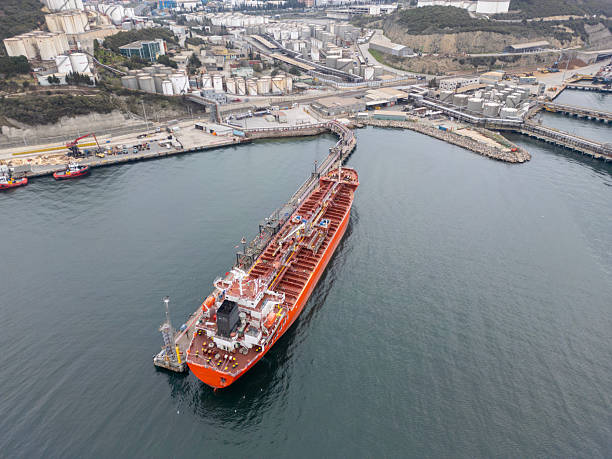
Nigeria’s ports are going through a major period of change in 2026, with higher cargo volumes, new digital systems, infrastructure upgrades and efforts to reduce congestion shaping current port operations.
The latest figures from the Nigerian Ports Authority show that Nigerian ports handled about 68.2 million metric tonnes of cargo in the first half of 2026, up 12.2% from 60.8 million tonnes during the same period in 2025. The number of ocean-going ships also increased to 2,300, while container traffic rose by 10.3% to 815,236 TEUs. (APAnews – Agence de Presse Africaine)
These increases are putting additional pressure on infrastructure and cargo evacuation systems while also creating opportunities for better logistics services.
What Is Happening at Nigerian Ports?
One of the biggest developments is the planned modernisation of major ports.
The Federal Government has secured a £746 million facility for the rehabilitation and modernisation of Apapa and Tin Can Island ports. The programme is expected to introduce improved cargo-handling equipment, automation and other digital technologies while improving vessel and cargo processing. (APAnews – Agence de Presse Africaine)
The wider modernisation programme is expected to address ageing quay infrastructure, navigation channels, cargo-handling systems and other operational requirements.
The Nigerian Ports Authority has said physical construction activity is expected to begin in the latter part of 2026, with the broader Apapa and Tin Can reconstruction planned over several years. (Punch Newspapers)
Apapa and Tin Can Ports Still Face Pressure
Despite recent improvements, congestion around Lagos ports remains an important concern for importers, exporters, truck operators and logistics companies.
The NPA has been working with customs agents and other stakeholders to improve cargo evacuation around the Apapa and Tin Can Island corridors. Measures include stronger enforcement of electronic truck call-up arrangements and efforts to reduce illegal checkpoints and road bottlenecks. (Voice of Nigeria)
Recent performance data also shows why continued improvements are necessary. During the first half of 2026, average vessel turnaround time increased to about 6.1 days at Lagos Port Complex and 5.1 days at Tin Can Island, while Lekki Port recorded 3.3 days. (Businessday NG)
Lekki Port Continues to Grow
Lekki Port has become increasingly important to Nigeria’s maritime logistics network.
According to NPA figures reported in September 2026, Lekki handled nearly 40% of national cargo throughput during the first half of the year. Its growing traffic reflects the port’s increasing role in handling large-scale industrial and container-related cargo. (APAnews – Agence de Presse Africaine)
However, increased traffic also means that surrounding road, warehouse, trucking and cargo evacuation systems have to keep pace with port activity.
For businesses using Lekki Port, the availability of reliable inland transportation can be just as important as the efficiency of the terminal itself.
Onne and Other Eastern Ports
The latest port data also shows stronger activity outside Lagos.
Onne Port accounted for about 22.7% of national cargo throughput in the first half of 2026, supported significantly by LNG-related activity. Rivers Port also recorded an improvement in vessel turnaround time, although its average turnaround remained longer than that of several other ports. (APAnews – Agence de Presse Africaine)
This highlights the importance of Nigeria’s eastern ports in reducing excessive dependence on Lagos and supporting cargo movements closer to businesses operating in the South-South and South-East regions.
Digital Changes at Nigerian Ports
Digitalisation is another major part of the latest Nigeria port updates.
The Nigerian Ports Authority is developing systems intended to improve information exchange, cargo visibility and coordination between stakeholders. Its data-exchange platform describes the objective as connecting participants across the port value chain through secure data integration and real-time information. (Nigerian Ports Authority Data Exchange)
The National Single Window and Port Community System are also part of the broader digital transformation agenda being pursued for Nigerian trade and port operations. (ThisDayLive)
For importers and exporters, effective digital systems can reduce repeated paperwork, improve access to shipment information and make it easier for different organisations to coordinate cargo movement.
What the Port Changes Mean for Importers and Exporters
Businesses using Nigerian ports should pay attention to more than vessel arrival dates.
A shipment can still experience delays after arriving at the terminal because of documentation, customs processes, terminal handling, truck availability, road congestion or warehouse capacity.
Businesses can reduce avoidable problems by:
- Preparing shipping and customs documents early
- Confirming cargo release requirements
- Planning truck availability ahead of time
- Monitoring vessel and container status
- Understanding terminal procedures
- Planning alternative cargo evacuation routes
- Working with experienced logistics partners
- Allowing additional time during periods of congestion
Exporters should also consider how cargo reaches the port and whether their transportation arrangements can support the required loading schedule.
How Travo.ng Can Support Port-Related Logistics
Travo.ng can support the travel and logistics activities surrounding Nigeria’s port operations.
For example, businesses may need transportation coordination for staff travelling to Lagos, Port Harcourt, Onne, Lekki or other locations for cargo inspections, supplier meetings, documentation, warehouse visits or logistics projects.
Travo.ng can also support relevant delivery and transportation requirements, as well as airport transfers, vehicle hire, travel bookings and accommodation for teams working on port-related assignments.
This does not replace specialist customs clearance, terminal handling or freight-forwarding services. Instead, Travo.ng can help coordinate the practical movement of people and permitted goods around wider logistics operations.
What to Watch for in the Coming Months
The biggest developments to watch are the physical start of major port reconstruction projects, further digitalisation, cargo evacuation improvements and the continued growth of alternative ports.
The modernisation of Apapa and Tin Can is particularly significant because ageing infrastructure remains an important constraint on Lagos port operations. The planned upgrades include infrastructure rehabilitation, improved cargo-handling systems and technology-driven operational changes. (Punch Newspapers)
At the same time, increasing cargo volumes mean that roads, rail, barges, warehouses and trucking systems must develop alongside the ports themselves.
Nigeria’s Port Logistics Outlook
The latest figures show a Nigerian maritime sector handling more cargo and more vessels than it did a year earlier. That growth creates both opportunities and operational pressure.
Modernising major ports, improving digital information exchange and strengthening cargo evacuation can help Nigeria handle increasing trade volumes more efficiently.
For businesses, the practical lesson is to monitor port conditions continuously rather than relying only on normal transit schedules. Changes in vessel traffic, terminal operations, road conditions and cargo-processing procedures can all affect delivery timelines.
As Nigeria’s port network develops through 2026 and beyond, efficient coordination between ports, terminals, customs, transport operators, logistics companies and businesses will remain central to keeping cargo moving.
