


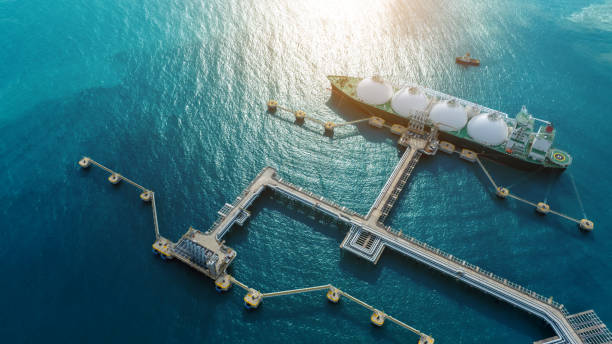
Lagos port congestion remains one of the major logistics challenges affecting importers, exporters, manufacturers, transporters and businesses that depend on the movement of cargo through Nigeria’s busiest maritime gateways. When trucks struggle to access terminals, containers take longer to leave the port, and delivery schedules become harder to predict.
The problem is particularly noticeable around the Apapa and Tin Can Island port corridors, where port traffic mixes with normal commercial and residential movement across Lagos. Recent reports indicate that congestion has resurfaced along these corridors, with truck movements, parking, operational bottlenecks and weaknesses in truck call-up systems contributing to delays. (The Guardian Nigeria)
Why Lagos Port Congestion Keeps Happening
Lagos port congestion is not caused by one problem. Several parts of the cargo movement process can create a bottleneck.
Truck access is one of the biggest issues. Large numbers of articulated vehicles need to move between terminals, truck parks, warehouses, bonded terminals and industrial areas. When trucks arrive faster than terminals can process them, queues build up.
Road conditions and traffic management also matter. Port-bound trucks use corridors that are already heavily used by commuters and businesses. Indiscriminate parking of articulated trucks can further reduce available road space and worsen traffic.
Digital truck scheduling is another factor. The Ètò electronic call-up system was introduced to regulate truck access to the Lagos ports, but authorities and stakeholders have continued to identify areas where the system needs improvement. In September 2026, Lagos stakeholders specifically raised concerns about glitches affecting truck movement around the Lekki corridor and the need to upgrade the Apapa call-up system. (Vanguard News)
How Congestion Affects Importers and Exporters
For an importer, port congestion does not simply mean spending more time on the road.
A container that cannot leave the terminal on schedule can create additional storage, demurrage and transportation costs. A manufacturer waiting for imported raw materials may also have to adjust production schedules.
Exporters face a different problem. Agricultural products and other time-sensitive goods may lose value when trucks, containers or documentation are delayed.
The uncertainty can be just as damaging as the delay itself. Businesses need to know when cargo will reach their warehouses or customers so they can plan inventory, production and distribution.
Cargo volumes have also been increasing. DHL reported that Nigerian ports recorded a 12.3 percent year-on-year increase in cargo throughput in the second quarter of 2026, highlighting the importance of improving the systems used to move growing volumes of goods through the ports. (DHL)
Apapa and Tin Can Island Remain Major Pressure Points
Apapa and Tin Can Island are central to Lagos’ maritime logistics network, so problems around their access corridors can affect businesses far beyond the immediate port environment.
The Federal Government and port authorities have introduced several measures to address the situation, including stronger enforcement, stakeholder coordination and plans to modernise port infrastructure.
The Nigerian Ports Authority has also announced a major modernisation programme covering infrastructure and operational equipment at major ports. The programme is expected to include improvements intended to reduce vessel turnaround times and improve cargo-handling efficiency. (Punch Newspapers)
There are also efforts to reduce dependence on road haulage. APM Terminals Apapa announced plans to expand rail evacuation and introduce 24-hour barge operations at its dedicated Finger Jetty in the fourth quarter of 2026. Alternative evacuation methods can reduce the number of containers that have to depend entirely on already busy port access roads. (APM Terminals)
What Businesses Can Do During Lagos Port Congestion
Businesses cannot control traffic around Apapa or Tin Can Island, but they can reduce the impact on their operations.
Useful measures include:
- Confirming cargo documentation before the container is ready for evacuation
- Planning truck movements around approved call-up procedures
- Working with logistics providers that understand port access requirements
- Allowing additional time for deliveries from Lagos ports
- Tracking container status rather than waiting until the last minute
- Considering barges or rail where they are available and suitable
- Using warehouses or distribution points strategically outside the immediate port corridor
- Communicating realistic delivery windows to customers and production teams
For manufacturers, it is particularly important to connect port evacuation planning with factory inventory levels. Waiting until raw materials are almost finished before arranging cargo movement can expose a business to unnecessary operational pressure.
How Travo.ng Can Help With Lagos Port Logistics
Travo.ng can support businesses that need to coordinate the movement of people, cargo and transport around Lagos and other Nigerian locations.
For companies dealing with port congestion, this can include coordinating road transportation, delivery arrangements, logistics movements and related travel requirements. Where cargo needs to move from Lagos to another city, proper coordination can help businesses plan the inland leg instead of treating port clearance as the end of the logistics process.
For example, an importer with cargo arriving in Lagos may need transportation from the port area to a warehouse, followed by onward delivery to Abuja, Ibadan, Kano or another destination. Travo.ng can support the wider transportation and logistics coordination required around such movements.
The important point is that Travo.ng is not a port authority or customs clearance agency. Its role is to support the travel, transport and logistics requirements surrounding a customer’s movement.
Are Alternative Ports Part of the Solution?
Diversifying cargo movement can help reduce pressure on individual port corridors.
Lekki Deep Sea Port has already become an important alternative gateway for cargo in Lagos, while developments involving other ports and future projects are intended to provide additional capacity.
The Federal Government also recently announced an investment package for the proposed Gateway Deep Seaport in Ogun State. The project is intended to create another maritime gateway and reduce pressure on the Apapa and Tin Can corridors if it becomes operational as planned. (Ripples Nigeria)
However, simply adding port capacity does not solve every logistics problem. Roads, rail connections, customs processes, truck scheduling, warehouses and inland distribution networks must also work effectively.
The Long-Term Solution to Lagos Port Congestion
Reducing Lagos port congestion requires more than clearing trucks from roads whenever gridlock becomes severe.
The wider logistics chain needs better coordination between terminals, government agencies, truck operators, freight forwarders, shipping lines and cargo owners. Digital systems need to work reliably, while physical infrastructure must be capable of handling growing cargo volumes.
Greater use of rail and barges can also reduce pressure on the roads. Better truck parks and scheduling can prevent vehicles from arriving at the port corridor in large uncontrolled waves.
For businesses, the practical goal is not simply to find a way through today’s traffic. It is to build a logistics process that remains workable when cargo volumes increase, roads become busy or port operations slow down.
Lagos will remain one of Nigeria’s most important trade and logistics centres. Improving the connection between its ports, roads, rail infrastructure, warehouses and businesses will therefore be critical to making cargo movement more predictable and efficient.
