


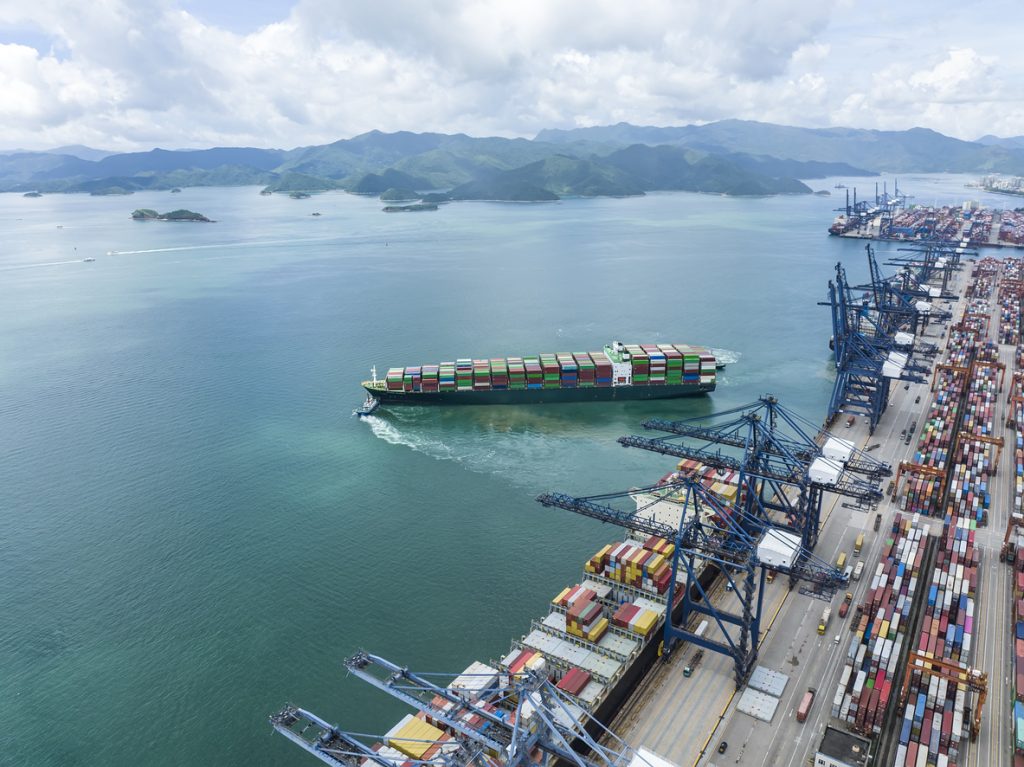
Reducing demurrage costs in Nigeria is essential for importers, exporters, and logistics operators who move goods through busy ports such as Apapa Port and Tin Can Island Port in Lagos. Demurrage charges increase daily once a container exceeds its free storage period, making delays very expensive if not controlled early.
With proper planning, documentation accuracy, and logistics coordination, businesses can significantly reduce or completely avoid demurrage costs.
Through Travo (Travo.ng), businesses can access logistics coordination, transport planning, and movement support services that help reduce clearance delays and improve cargo flow efficiency.
What Are Demurrage Costs?
Demurrage costs are charges imposed by shipping lines when containers remain at the port beyond the free storage period. These costs:
- Increase daily
- Apply per container
- Depend on container type and shipping line policy
- Can significantly increase total import expenses
Main Causes of High Demurrage Costs in Nigeria
1. Customs Clearance Delays
- Missing or incorrect documents
- PAAR or Form M issues
- Inspection delays
2. Port Congestion
- High container traffic in Lagos ports
- Limited terminal capacity
- Vessel backlog
3. Late Payment of Charges
- Customs duty delays
- Terminal fees not paid on time
- Shipping line charges pending
4. Trucking and Evacuation Delays
- Lack of available trucks
- Traffic congestion in Apapa axis
- Poor scheduling coordination
How to Reduce Demurrage Costs in Nigeria
1. Start Clearance Before Cargo Arrival
Early preparation is one of the most effective ways to reduce costs.
- Process Form M early
- Prepare PAAR in advance
- Upload documents before vessel arrival
2. Ensure Accurate Documentation
Errors in paperwork slow down customs clearance.
- Correct commercial invoice
- Accurate cargo description
- Proper HS code classification
- Consistent shipment details
3. Clear Customs Quickly
Fast clearance reduces storage time at the port.
- Work with experienced clearing agents
- Respond immediately to customs requests
- Avoid delays in verification processes
4. Pay Duties and Fees Immediately
Delayed payments lead to extended cargo stay.
- Settle customs duty quickly
- Pay terminal charges early
- Avoid outstanding balances
5. Book Trucks in Advance
Even after clearance, delay in evacuation increases demurrage.
- Reserve trucks before arrival
- Plan pickup schedules early
- Avoid last-minute haulage issues
6. Monitor Shipment Timelines Closely
Tracking helps avoid missed deadlines.
- Track vessel arrival time
- Monitor free storage days
- Act before charges begin
7. Plan for Possible Inspections
Some cargo may be selected for physical checks.
- Ensure goods match documentation
- Prepare supporting certificates
- Respond quickly to inspection requests
8. Work With Professional Logistics Coordination
Efficient coordination reduces delays across the entire import process.
Travo (Travo.ng) supports businesses with structured logistics coordination, executive transportation, airport assistance, concierge services, and high-value movement planning. These services help improve timing, reduce operational delays, and minimize exposure to demurrage costs.
Benefits of Reducing Demurrage Costs
- Lower import expenses
- Improved cash flow
- Faster cargo delivery
- Better supply chain efficiency
- Higher business profitability
Common Mistakes That Increase Demurrage Costs
- Waiting for cargo arrival before starting clearance
- Poor documentation preparation
- Delayed duty payments
- Lack of trucking arrangements
- Ignoring customs queries
Final Thoughts
Reducing demurrage costs in Nigeria requires proactive planning, accurate documentation, fast customs clearance, early payments, and efficient logistics coordination. Most demurrage charges are avoidable when importers act early and manage the clearance process properly.
With structured coordination and logistics support from Travo (Travo.ng), businesses can reduce delays, improve cargo movement, and significantly lower demurrage expenses across Nigerian ports.
