


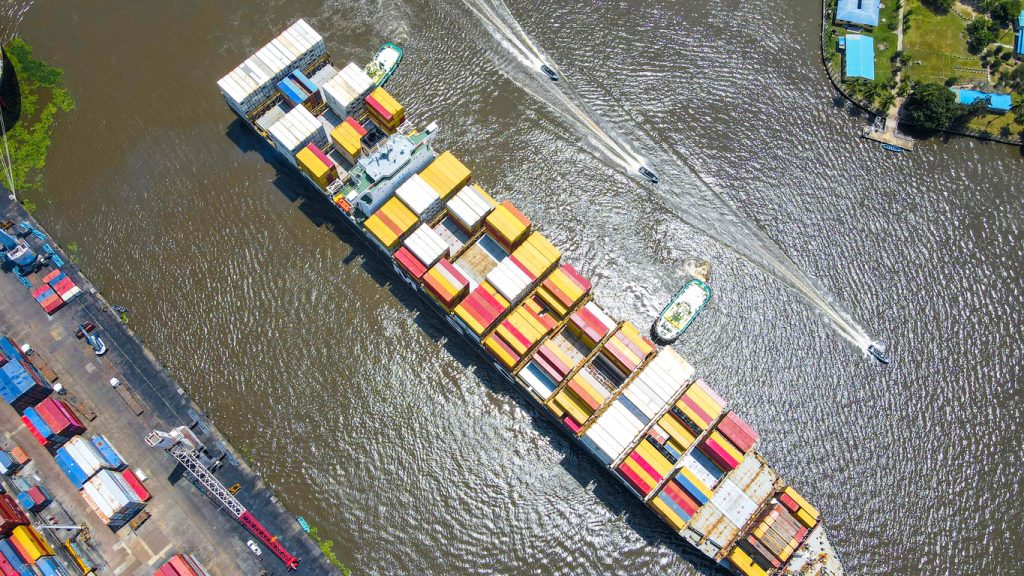
Apapa Port remains one of Nigeria’s most important trade gateways, handling large volumes of imported and exported cargo through Lagos. Recent Apapa Port news has focused on renewed traffic congestion, planned infrastructure upgrades, digital truck management and efforts to move more cargo by rail and barge.
For importers, exporters, freight forwarders and logistics companies, these developments matter because changes at Apapa can directly affect cargo evacuation, delivery times and transportation costs.
Apapa Port Faces Renewed Traffic Pressure
One of the latest developments is a resurgence of traffic congestion around the Apapa port corridor.
Recent reports say heavy truck movements and operational challenges have contributed to worsening gridlock affecting the Apapa access roads. Lagos authorities have brought together maritime operators, traffic agencies and other stakeholders to address the situation. (The Guardian Nigeria)
Stakeholders identified several factors behind the renewed congestion, including indiscriminate parking of articulated trucks, unauthorised truck parks, restrictions affecting trucks moving to bonded terminals, problems with electronic call-up systems and outdated automation infrastructure at Apapa.
The Lagos State Government has said enforcement against indiscriminate truck parking will be intensified, while stakeholders agreed to improve the digital truck call-up process.
Apapa Port Modernisation Is Moving Forward
Another major Apapa Port development is the planned modernisation of the port.
Nigeria has secured a £746 million facility to support the rehabilitation and modernisation of Apapa and Tin Can Island ports. The programme is expected to introduce improved cargo-handling equipment, greater automation and digital technologies, while improving vessel and cargo turnaround times. (APAnews – Agence de Presse Africaine)
The wider modernisation programme is particularly important because Apapa’s existing infrastructure is ageing. Upgrading quay infrastructure, cargo-handling equipment, channels and other facilities is intended to improve the port’s ability to handle growing trade volumes.
The modernisation is a long-term project, so businesses should not expect every congestion problem to disappear immediately. Infrastructure construction and operational improvements will take time.
Rail and Barges Could Reduce Pressure on Apapa Roads
One of the more significant developments is the planned expansion of alternative cargo evacuation methods.
APM Terminals Apapa has announced plans to increase rail evacuation of export containers and introduce 24-hour barge operations at its dedicated Finger Jetty in the fourth quarter of 2026.
The terminal is targeting a substantial increase in the share of export cargo moved by rail, while expanded barge operations are expected to provide another way of moving containers without relying entirely on road transport. (The Guardian Nigeria)
This is important because every container moved by rail or water can potentially reduce the number of trucks competing for space on the already busy Apapa road network.
Digital Truck Management Remains Important
Truck management is another major part of the latest Apapa Port news.
The electronic call-up system is intended to control when trucks enter the port environment and prevent large numbers of vehicles from arriving at the same time. However, stakeholders have identified the need to upgrade the existing Apapa call-up infrastructure.
Lagos authorities have also announced stronger enforcement of E-Call-Up compliance along the Apapa and Lekki port corridors. (Nairametrics)
A more reliable digital system could make truck scheduling more predictable and help reduce unnecessary waiting around port access roads.
What the Changes Mean for Importers
Importers moving containers through Apapa should continue to plan for possible delays while the congestion and infrastructure issues are being addressed.
Businesses can reduce disruption by:
- Confirming documentation before cargo evacuation
- Planning truck movements around approved call-up schedules
- Allowing additional time for port-to-warehouse delivery
- Monitoring container and terminal status
- Working with experienced transport and logistics operators
- Considering rail or barge evacuation where available
- Avoiding last-minute transportation arrangements
The biggest issue for many businesses is not simply the number of hours a truck spends in traffic. Delays can affect warehouse planning, production schedules, customer deliveries and the overall cost of moving imported goods.
How Travo.ng Can Help With Apapa Port Logistics
Travo.ng can support the wider transportation and logistics requirements that arise when businesses move cargo through Apapa.
For example, an importer may need transportation from the Apapa area to a warehouse in Lagos before arranging onward delivery to another Nigerian city. Travo.ng can help coordinate relevant transportation and logistics requirements around such movements.
Businesses may also need transport coordination for staff, drivers or other personnel involved in cargo operations. Where travel, vehicle hire, delivery or related logistics arrangements are required, Travo.ng can support the movement planning.
Travo.ng is not a port authority, terminal operator or customs agency. Its role is to support the transportation, travel and logistics requirements surrounding customers’ movements.
What to Expect From Apapa Port
The direction of current developments is towards a more modern and better-connected port system.
The combination of infrastructure rehabilitation, improved digital systems, stronger truck regulation, rail evacuation and expanded barge operations could gradually change how cargo moves through Apapa.
There is also a broader plan to connect port modernisation with rail and water transportation. A proposed freight railway linking the Apapa Bulk Terminal area with Tin Can Island is expected to help move cargo without placing additional pressure on the road network once developed. (APAnews – Agence de Presse Africaine)
For businesses, however, the immediate priority remains practical planning. Until the infrastructure and alternative evacuation systems are fully developed, companies moving cargo through Apapa should continue to account for traffic, truck scheduling and possible operational delays.
Apapa will remain a major part of Nigeria’s logistics network. How efficiently it connects with roads, railways, barges, warehouses and inland distribution networks will determine how effectively the port can handle the country’s growing trade.
