


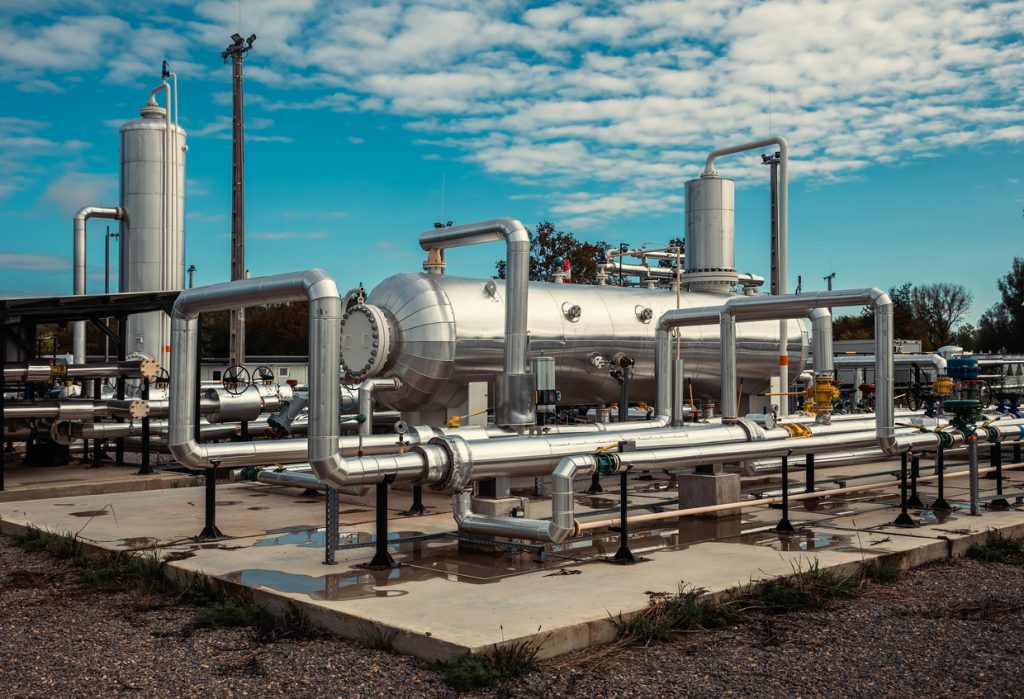
Moving refined petroleum products across Nigeria is not as straightforward as many businesses assume. Between unstable road conditions, checkpoint delays, fuel theft risks, tanker shortages during peak periods, and rising haulage costs, transporting diesel, PMS, AGO, kerosene, or aviation fuel requires proper coordination and experienced logistics support.
For filling stations, construction companies, manufacturing plants, hotels, and industrial businesses, one delayed delivery can disrupt operations for days. That’s why many companies now work with logistics providers that understand the realities of refined petroleum products transport in Nigeria rather than relying on informal tanker arrangements.
At Travo.ng, transport coordination is handled with a strong understanding of Nigerian interstate movement, delivery timelines, and route planning, especially for businesses that need dependable fuel supply logistics.
What Businesses Usually Struggle With During Fuel Transportation
One of the biggest issues in Nigeria’s downstream logistics sector is unpredictability.
A delivery scheduled from Lagos to Abuja may look simple on paper, but operators often deal with:
- Tanker delays around Apapa and Tin Can
- Traffic bottlenecks on the Lagos-Ibadan Expressway
- Multiple security checkpoints
- Driver shortages during high-demand seasons
- Weather-related road damage during heavy rains
- Delays at depots during fuel scarcity periods
For businesses running generators, factories, or transport fleets, these delays quickly become expensive.
A hotel in Victoria Island running industrial generators, for example, cannot afford a late diesel delivery during peak occupancy periods. The same applies to manufacturing plants in Ogun State or construction sites around Abuja that consume thousands of litres weekly.
This is where structured transport coordination becomes necessary instead of depending on last-minute tanker sourcing.
Common Routes for Refined Petroleum Movement in Nigeria
Some of the busiest fuel transport corridors in Nigeria include:
- Lagos to Abuja
- Lagos to Kano
- Port Harcourt to Enugu
- Warri to Benin
- Lagos to Ibadan
- Calabar to Uyo
- Kaduna to Jos
Most refined petroleum products entering circulation move through depot hubs in Lagos, Warri, Port Harcourt, and sometimes Calabar before interstate distribution begins.
Transport timing often depends on:
- Depot loading schedules
- Road traffic conditions
- Security situations
- Weather
- Fuel availability
- Government policy changes
Experienced logistics coordinators factor these realities into planning instead of promising unrealistic delivery timelines.
What It Actually Costs to Move Petroleum Products Across Nigeria
Transport pricing changes frequently because diesel prices, road conditions, and vehicle availability affect haulage rates almost weekly.
However, businesses typically budget based on:
- Distance
- Product type
- Volume
- Loading location
- Delivery urgency
- Security requirements
- Road accessibility
For example, transporting AGO from Lagos to Abuja may cost significantly more during fuel scarcity periods because tanker demand rises nationwide.
Routes involving difficult access roads also increase costs. Deliveries into remote construction sites or industrial areas outside major highways usually require additional planning.
Many businesses now prefer working with providers that offer transparent coordination and scheduling rather than negotiating separately with depot operators, drivers, and transport unions.
Why Timing Matters More Than Most Companies Realize
Fuel transportation delays create operational problems quickly.
A logistics company with grounded delivery vehicles loses revenue immediately. Hotels face customer complaints during power interruptions. Hospitals and industrial facilities cannot afford downtime at all.
That’s why companies increasingly schedule petroleum product deliveries before critical stock levels are reached.
Experienced transport coordinators also understand the best movement windows.
For instance:
- Overnight movement sometimes reduces Lagos traffic delays
- Weekend loading can help avoid weekday depot congestion
- Rainy season planning requires route adjustments in some states
These operational details make a major difference in successful petroleum logistics.
Safety Is a Bigger Concern Than Pricing
Many businesses initially focus only on transport cost, but safety issues often become more expensive in the long run.
Improperly coordinated petroleum transport can lead to:
- Product loss
- Vehicle breakdowns
- Delivery contamination
- Security incidents
- Regulatory problems
- Delayed discharge at destination
This is why professional logistics coordination matters, especially for businesses transporting large fuel volumes regularly.
At Travo.ng, transport arrangements prioritize route coordination, scheduling reliability, and operational support so businesses can focus on their own operations instead of chasing tanker drivers across multiple states.
How Businesses Are Simplifying Petroleum Logistics
Many Nigerian businesses now combine fuel transportation with broader logistics support.
Instead of working with separate providers for transport, travel coordination, staff movement, and delivery operations, they prefer centralized logistics management.
Depending on operational needs, businesses may also require:
- Corporate travel bookings
- Airport pickups for technical teams
- Vehicle hire for site inspections
- Hotel reservations for interstate staff movement
- Courier support for urgent documents
- Delivery coordination for equipment and spare parts
This integrated approach reduces operational stress, especially for companies operating across multiple Nigerian states.
Choosing the Right Transport Coordination Partner
The cheapest option is rarely the most reliable in petroleum logistics.
Businesses should focus on providers that understand:
- Nigerian road realities
- Interstate delivery planning
- Fuel movement coordination
- Business continuity requirements
- Timing-sensitive operations
- Local logistics challenges
Reliable refined petroleum products transport in Nigeria depends heavily on planning, coordination, communication, and local operational experience.
For businesses moving diesel, PMS, AGO, or other petroleum products across Nigeria, working with experienced logistics coordinators like Travo.ng helps reduce delays, improve scheduling reliability, and simplify nationwide fuel movement.
