


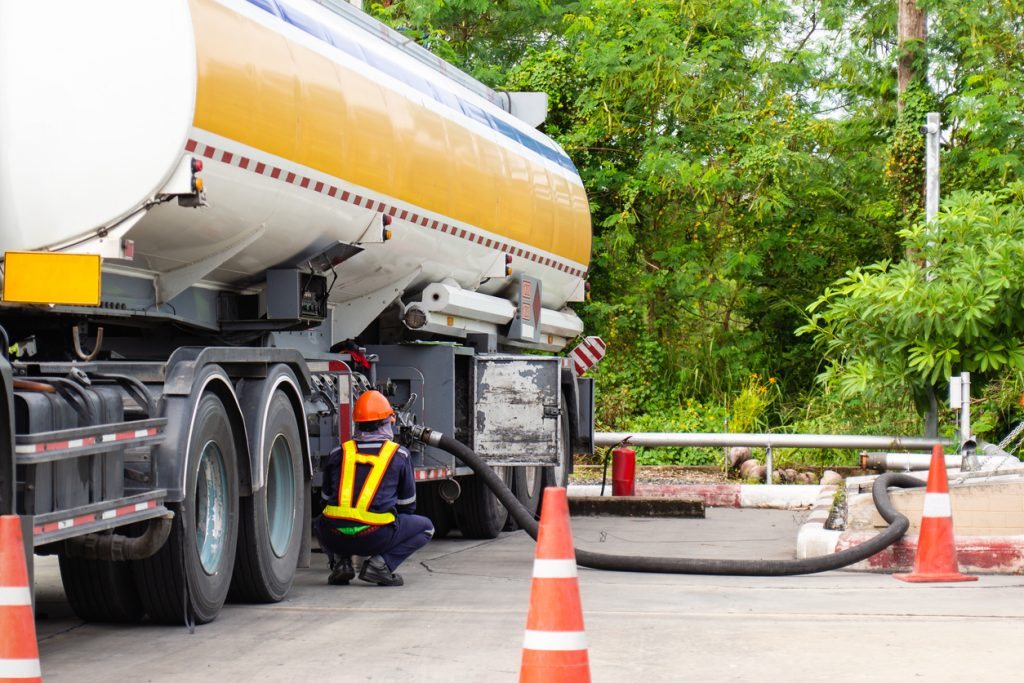
Moving petroleum products in Nigeria is not the same as moving regular cargo. Petrol, diesel, kerosene, lubricants, and industrial fuel require careful planning, trained handling, proper vehicles, route knowledge, and strict attention to safety. That is why choosing the right petroleum transport contractor Nigeria matters for businesses, filling stations, construction sites, factories, farms, and organizations that depend on steady fuel supply.
A small delay in fuel delivery can stop generators, delay construction work, affect fleet operations, or disrupt production. In places like Lagos, Abuja, Port Harcourt, Kano, Ibadan, Warri, and Onitsha, fuel movement also comes with traffic, depot queues, road conditions, security checks, and timing issues.
What a Petroleum Transport Contractor Actually Handles
A good petroleum transport contractor does more than provide a tanker. The work usually includes:
Coordinating pickup from depots or approved supply points
Planning safe delivery routes
Arranging suitable trucks or tankers
Managing driver communication
Monitoring loading and offloading timelines
Helping customers avoid unnecessary delays
For example, moving diesel from a depot around Apapa to a business site in Lekki is not just about distance. The contractor must consider depot congestion, tanker access, Lagos traffic, customer site restrictions, and offloading arrangements.
This is where practical logistics coordination makes a major difference.
Common Customers That Need Petroleum Transport in Nigeria
Petroleum transport services are useful for many types of customers, including:
Filling stations needing regular fuel supply
Hotels that depend on diesel generators
Construction companies running heavy equipment
Factories and warehouses with daily power needs
Agricultural businesses using fuel-powered machinery
Transport companies managing fleet refuelling
Event centres and estates that require bulk diesel
For these customers, reliability is usually more important than the cheapest quote. A contractor that misses delivery windows can cost the business more than the transport fee itself.
What Affects Petroleum Transport Cost in Nigeria
Pricing depends on several practical factors. These may include distance, truck size, product type, pickup location, delivery city, road conditions, waiting time, and urgency.
For instance, petroleum transport within Lagos may be priced differently from Lagos to Abuja, Port Harcourt to Enugu, or Warri to Kaduna. Depot waiting time can also affect the final cost, especially when there are queues or loading delays.
Customers should always confirm:
Pickup and delivery locations
Quantity to be moved
Type of petroleum product
Expected delivery timeline
Whether offloading support is needed
Access conditions at the delivery site
These details help avoid wrong pricing and last-minute surprises.
Safety Should Not Be Treated Casually
Petroleum products are sensitive goods. Poor handling can lead to spills, fire risks, product contamination, vehicle breakdowns, or regulatory issues. A responsible petroleum transport contractor Nigeria should understand safe loading, secure movement, and careful delivery coordination.
Customers should avoid using unverified operators simply because they offer a cheaper rate. In fuel logistics, a poorly managed delivery can damage property, delay operations, or create serious safety problems.
How Travo.ng Supports Petroleum Logistics Coordination
Travo.ng helps customers arrange practical transport and logistics support across Nigeria, including petroleum-related movement where suitable vehicles and delivery coordination are required.
Instead of calling random truck owners or struggling with unreliable contacts, businesses can use Travo.ng to plan transport, confirm movement details, and coordinate delivery more professionally.
Depending on the need, Travo.ng can also support related logistics such as cargo movement, business deliveries, vehicle hire, relocation support, and transport coordination for companies that need more than one service.
For example, a construction company may need diesel delivery to a site, equipment movement, staff transport, and hotel reservations for supervisors travelling from another state. Handling these separately can become stressful. Coordinating through one reliable service provider makes the process easier.
Mistakes to Avoid When Hiring a Petroleum Transport Contractor
Many customers run into problems because they rush the booking process. Common mistakes include:
Not confirming the exact delivery address
Ignoring road access for tankers
Choosing based only on the lowest price
Failing to agree on delivery timing
Not discussing waiting charges
Booking too late during peak demand
For interstate fuel movement, it is better to plan early. Routes like Lagos to Abuja, Port Harcourt to Aba, Warri to Benin, and Kano to Kaduna can be affected by traffic, checkpoints, road repairs, or loading delays.
When to Book Petroleum Transport Support
You should arrange petroleum transport once you know your required quantity, delivery location, and preferred timeline. Businesses that depend on fuel daily should not wait until their tanks are almost empty.
Hotels, factories, estates, and logistics companies often benefit from scheduled fuel movement instead of emergency delivery. Planning ahead gives room to confirm availability, route timing, and cost.
A Practical Way to Move Petroleum Products in Nigeria
Hiring a petroleum transport contractor Nigeria should give you confidence, not stress. The right contractor understands Nigerian routes, depot delays, tanker movement, customer site access, and the importance of safe delivery.
Travo.ng gives businesses and individuals a practical way to coordinate transport and logistics services without wasting time on unreliable arrangements. Whether you need petroleum transport support, cargo logistics, delivery services, vehicle hire, or wider business logistics coordination, Travo.ng helps you plan the movement properly and book with more confidence.
