


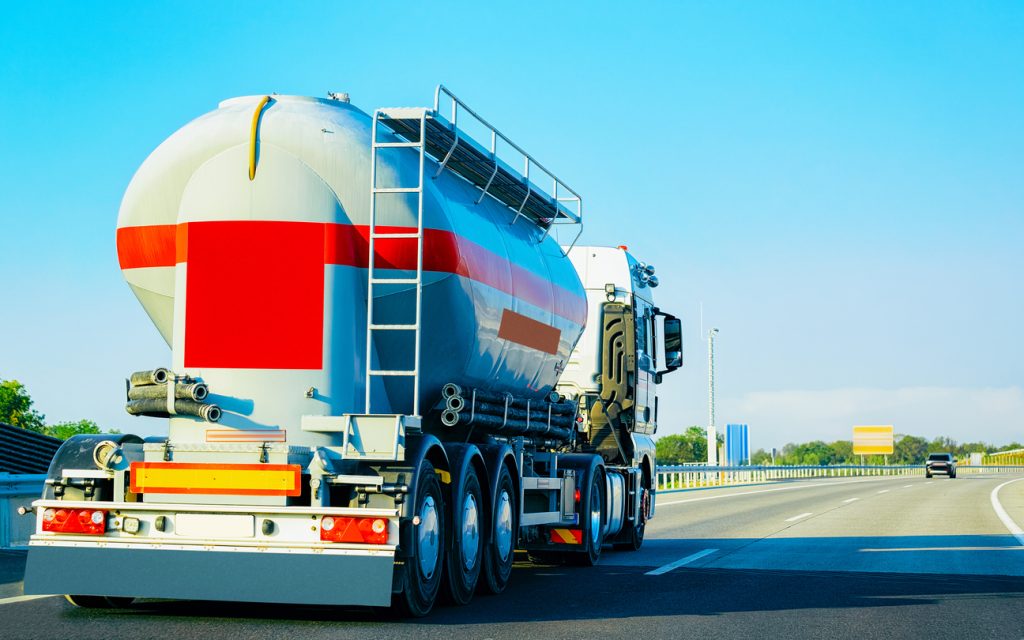
Petroleum logistics in Nigeria covers several different movements. A bulk diesel delivery, sealed lubricant containers and a pump going to an energy-sector site require different transport arrangements. If you are searching for oil and gas haulage in Lagos, start by describing the actual product or equipment rather than requesting a generic cargo truck.
The aim is a confirmed movement that meets the product, operator and facility requirements. This guide helps businesses prepare the enquiry and compare the proposed service; it does not establish that a tanker or specialist service is available for a particular route.
Which kind of oil and gas load are you moving?
| Load | Information to provide | What needs confirmation |
|---|---|---|
| Bulk liquid fuel | Exact product, volume, depot and receiving facility | Specialist operator, compatible tanker and loading or discharge arrangements |
| Packaged petroleum products | Product names, packaging, quantity and safety information | Classification, acceptance, securing and compatible vehicle |
| Oil-sector machinery | Weight, dimensions, condition and contents | Equipment transport, lifting and site-access plan |
| General industrial spares | Package details, cargo value and receiving location | Suitable road freight and facility entry procedures |
Do not treat petroleum cargo as an ordinary parcel simply because the quantity is small. Give the product’s safety data and packaging details to the proposed transporter for assessment. Machinery can also contain fuel, oil, batteries or other contents that affect transport acceptance.
Bulk fuel transport: check both ends of the job
A bulk fuel enquiry should specify the loading depot or source, exact product, volume and authorised collection contact. Confirm the collection process, readiness and documentation with the supplier and proposed operator. A truck arriving before the load is released can spend its allocated time waiting.
At delivery, identify the receiving tank or approved facility, available capacity, access and the competent person supervising receipt. Ask the specialist operator to assess vehicle and discharge compatibility, including the necessary equipment and site procedures. The customer should not improvise fuel-transfer methods from a general online article.
Ask how the quantity is recorded at loading and receiving, who checks delivery documents and what happens if there is a discrepancy. Agree the reporting process before the journey. Product procurement and transportation can be separate contracts, so establish who is responsible for each.
Packaged lubricants and petroleum-related supplies
Provide the product names and safety data sheets, number of drums or packages, package dimensions, weights and condition. Declare any damaged packaging before collection. The operator should decide acceptance and the necessary handling, segregation and vehicle arrangement based on the products.
A packaged lubricant shipment is not automatically equivalent to a bulk petrol tanker movement. Conversely, packaging a product does not remove its handling requirements. Ask the provider to explain the proposed arrangement and confirm any applicable restrictions before payment.
Oil and gas equipment haulage in Lagos
For pumps, compressors, generators, pipework or fabricated equipment, share transport dimensions and weight, photographs and lifting information. State whether the equipment runs, whether attachments remain fitted and whether it has been prepared for movement.
Use the heavy equipment and abnormal load guide for route and trailer assessment. For spares or materials moving between industrial premises, the factory logistics guide helps organise loading slots and receiving records. Declare regulated contents even when the principal load is equipment.
Operator, vehicle and safety checks
Ask the proposed specialist to confirm current permissions, vehicle suitability, driver competence and the operating procedures that apply to your job. Verify relevant documents through the issuing authority where a verification service is available. Generic haulage availability does not itself confirm approval for petroleum carriage.
The NMDPRA MISTDO programme includes petroleum transport within downstream safety training. Ask the operator to demonstrate the training and authorisations relevant to the load and operations. Requirements should be confirmed for the actual service rather than inferred from a general company description.
The FRSC’s articulated-lorry safety publications are another reference for tanker and trailer operations. Confirm the practical roadworthiness, driver and incident-response arrangements with the operator before movement. Agree who the sender and receiver contact if a delay or incident occurs.
Lagos routes and delivery windows
Give exact addresses and facility contacts for depot, factory, hotel, site or other business delivery. Identify entry procedures, booked loading slots and receiving restrictions. The route should be checked for the particular vehicle and current conditions.
Do not assume that early morning or overnight travel is automatically permitted or suitable. Ask the specialist operator to plan an appropriate schedule around the product, facility and route requirements. For another state, discuss the long haul trucking schedule alongside the specialist petroleum scope.
What affects a petroleum logistics quotation?
Price depends on the product or equipment, quantity, route, specialist vehicle, handling arrangements, operating time and site requirements. Ask whether the quote is for haulage only or includes product supply. Request separate treatment of loading, discharge, waiting, additional stops and any return movement.
Confirm insurance or liability terms for the actual product and activities, including loading and unloading where relevant. A generic goods-in-transit reference is not enough to establish cover for every petroleum operation. Ask for the scope, exclusions and claim process before confirming the job.
How Travo.ng can assist
Travo’s service catalogue lists diesel and LPG supply, haulage and business logistics. Its haulage page describes general cargo trucks and equipment transport. Those pages do not establish specialist tanker availability or petroleum permissions for every route.
Send a detailed enquiry through Travo’s coordination team. Ask whether the requested petroleum supply or transport service is available, which specialist operator would carry out the movement and what vehicle, documentation and site arrangements are included. Obtain those confirmations before dispatch.
If the request concerns recurring supplies or equipment movements, agree the load-specific requirements first, then discuss scheduled fleet transport. For ordinary non-regulated business cargo, local Lagos haulage may be the relevant service.
Your petroleum logistics enquiry checklist
- Exact product or equipment description and safety information
- Quantity, weight, dimensions and packaging or tank requirements
- Collection and delivery addresses with facility contacts
- Source release, loading readiness and receiving capacity
- Requested dates and facility access or receiving windows
- Specialist operator, suitable vehicle and applicable documents
- Handling, waiting, insurance and delivery-record inclusions
Can I book a general truck for a fuel delivery?
Do not assume that it is suitable. Identify the fuel and quantity, then request confirmation of a compatible specialist vehicle, operator, loading and receiving arrangements before confirming transport.
Does Travo’s haulage page confirm tanker availability?
It confirms general haulage and equipment services. Ask the coordination team separately about the requested petroleum service, specialist operator and route availability.
