


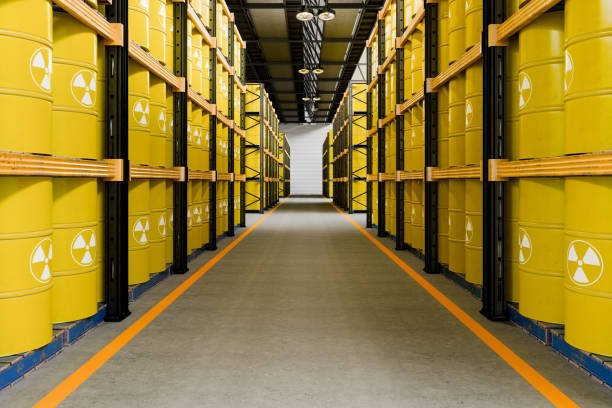
Warehouse logistics is an important part of the Nigerian supply chain, connecting imported goods, local production, distribution centres and final customers. A warehouse is not simply a place where products are stored. When properly managed, it helps businesses receive stock, organise inventory, prepare orders and coordinate deliveries.
For Nigerian importers, wholesalers, retailers and manufacturers, good warehouse logistics can make it easier to control stock and move products efficiently across different locations.
What does warehouse logistics involve in Nigeria?
Warehouse logistics covers everything involved in moving and managing goods inside and around a warehouse.
This can include:
- Receiving incoming goods
- Unloading and checking shipments
- Inventory recording
- Sorting and storage
- Order picking
- Packing and dispatch
- Stock counting
- Returns handling
- Loading delivery vehicles
- Coordinating outbound deliveries
The process can become more complicated when goods arrive through a Nigerian port before being transferred to a warehouse.
The Nigerian Ports Authority recognises warehousing and storage as important parts of the wider port and logistics system. (Nigerian Ports Authority)
Why warehouse location matters
The location of a warehouse can have a significant effect on logistics costs.
A business importing through Lagos ports, for example, needs to consider the distance between the port, warehouse and final customers. A warehouse that is too far from the main delivery routes can increase transportation costs and make frequent deliveries more difficult.
Businesses should consider proximity to ports, major roads, customers, suppliers and distribution markets when choosing a warehouse location.
Managing imported goods after port clearance
For importers, the warehouse is often the next major stage after cargo leaves the port.
Once goods are cleared and collected, they may be transported to a warehouse for sorting, storage and distribution.
This makes coordination important. If trucks are arranged too late, goods may remain at the port longer than necessary. If warehouse space is unavailable, the business can face additional handling and storage problems.
The best approach is to plan port collection and warehouse receiving together.
Inventory management is part of warehouse logistics
A warehouse becomes difficult to manage when the business does not know exactly what is in stock.
Good inventory management helps businesses track:
- Quantity received
- Quantity currently available
- Products dispatched
- Damaged goods
- Returned items
- Fast-moving products
- Slow-moving stock
- Reorder requirements
For businesses selling through multiple channels, accurate inventory records can prevent situations where a product appears available for sale but is actually out of stock.
Warehouse logistics for Nigerian SMEs
Small and medium-sized businesses do not always need a large warehouse operation.
A growing retailer or distributor may start with a relatively small facility and expand as inventory increases. What matters is having enough organised space for the current operation and a system for tracking stock.
Businesses should also consider how often products move in and out of the facility. A warehouse storing imported goods for several months requires a different layout from one processing daily e-commerce orders.
Common warehouse logistics problems
Several issues can make warehouse operations more expensive than necessary.
Common problems include poor stock records, overcrowded storage areas, inefficient layouts, damaged products, delayed receiving and poor coordination between warehouse and delivery teams.
Another problem is storing goods for too long without monitoring demand.
For imported products, unnecessary warehouse storage can tie up business capital while also increasing handling and storage costs.
Technology is changing warehouse operations
Digital tools can help businesses monitor stock and coordinate warehouse activities more efficiently.
Instead of relying entirely on handwritten records or spreadsheets, businesses can use inventory and logistics systems to track goods as they are received, stored and dispatched.
Digital visibility is also becoming more important across Nigeria’s wider logistics system. The Nigerian Ports Authority’s data-exchange platform, for example, is designed to connect stakeholders across the port value chain and improve information exchange. (Nigerian Ports Authority Data Exchange)
The same principle applies to warehouse operations: better information can make it easier to coordinate different stages of the supply chain.
Warehouse logistics and delivery planning
A warehouse should be connected to the business’s delivery network.
When an order is ready, the warehouse team needs to know where it is going, what vehicle is appropriate and when it needs to arrive.
For businesses serving customers across Lagos, Abuja, Ibadan, Kano or other Nigerian cities, delivery planning should take distance, traffic, cargo size and customer requirements into account.
A warehouse that is well organised but poorly connected to transportation can still create delays for customers.
How Travo.ng Can Help With Warehouse Logistics
Travo.ng can help businesses coordinate the transportation and delivery side of warehouse logistics.
For businesses receiving imported goods, Travo.ng can support cargo logistics and transportation arrangements from ports or other entry points to warehouses and business locations.
Once products are stored, Travo.ng can also help coordinate delivery arrangements when goods need to move from the warehouse to customers or other business locations.
This can be particularly useful for businesses handling commercial cargo across different Nigerian cities and needing the warehouse and transportation stages to work together.
Travo.ng focuses on logistics coordination and delivery support, while businesses can continue to use specialised warehouse operators and inventory systems for their storage and stock-management needs.
Planning warehouse logistics from receiving to delivery
Effective warehouse logistics starts before goods arrive at the facility.
Businesses should know how much stock is coming, where it will be stored, how it will be recorded and when it is likely to be dispatched.
For imported goods, this means coordinating port collection, warehouse receiving and onward transportation rather than managing each stage separately.
With organised inventory records, suitable storage and reliable transportation arrangements, Nigerian businesses can make their supply chains easier to manage and respond more quickly to customer orders.
